Standardized beekeeping machinery is the operational backbone of scalable apiary projects. It transforms beekeeping from a labor-intensive craft into a streamlined industrial process. By ensuring hardware consistency and automating critical tasks, these tools allow operations to expand volume without a proportional increase in manual effort or error.
Implementing professional-grade, standardized equipment creates the necessary physical foundation for industrial beekeeping. It shifts the focus from managing individual hive quirks to managing a system, significantly improving operational efficiency, hygiene, and colony survival rates.
The Foundation of Industrialization
To move from a small apiary to a commercial enterprise, you must eliminate variability. Standardized machinery is the tool that enforces this consistency.
Achieving Hardware Interchangeability
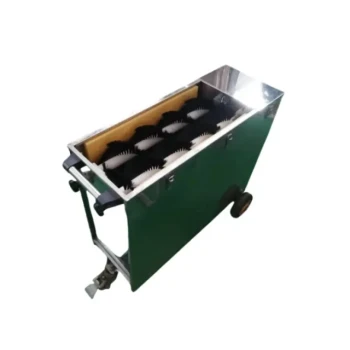
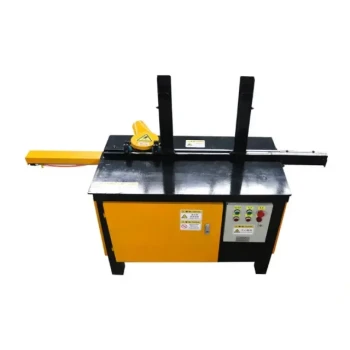
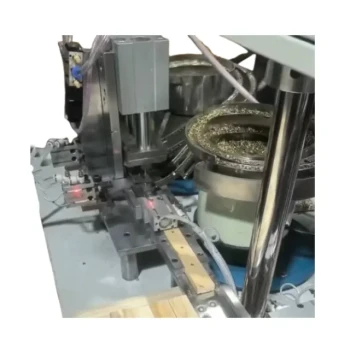
The primary barrier to scaling is non-standard equipment. Specialized hive manufacturing machinery ensures every frame and box has uniform specifications.
This precision allows for the complete interchangeability of parts. When internal components fit tightly and predictably, beekeepers can manage thousands of colonies as easily as a few dozen.
Enabling Mechanized Transport
Standardization is a prerequisite for mobility. High-precision manufacturing ensures hives are durable and stackable for transport.
This capability allows for rapid movement during pollination operations or seasonal migrations. It significantly improves transport efficiency and ensures higher bee survival rates during transit.
Enhancing Operational Efficiency
Scaling requires disconnecting output from manual labor hours. Professional tools bridge this gap by automating repetitive tasks.
Reducing Labor Intensity
Modern equipment, such as automatic scrapers and honey-filling machines, converts manual labor into semi-automated processes.
This reduction in physical intensity allows a smaller team to manage a larger number of hives. It shifts the workflow from brute force to technical management.
Optimizing Peak Production Windows
Scientific resource allocation is critical during short nectar flows (e.g., December to May).
Automated processing tools shorten the time between harvest and redeployment. This ensures the apiary captures the maximum output during optimal foraging windows.
Economic Resilience and Quality Control
Scalability is not just about size; it is about the stability of the product and the health of the asset (the bees).
Diversifying Revenue Streams
Reliance on honey alone creates financial risk. Specialized post-harvest tools, such as pollen traps and bee venom extractors, unlock high-value raw materials.
This diversification increases the comprehensive output value per unit. It builds financial resilience against market fluctuations in honey prices.
Improving Hygiene and Colony Survival
Inadequate equipment is a leading cause of colony loss. Professional-grade hardware provides a stable physical environment that protects the bees.
Furthermore, mechanized extraction tools maintain higher hygiene standards than manual methods. This ensures the final product meets the rigorous safety requirements of commercial markets.
The Realities of Industrial Transition
While the benefits are clear, adopting standardized machinery requires a fundamental shift in operational philosophy.
The Necessity of Strict Adherence
Standardization is binary; you are either standardized or you are not. Introducing industrial machinery requires a commitment to a specific specification.
Once a standard is chosen, all future infrastructure must match it perfectly to maintain efficiency. Deviating creates "technical debt" in the form of incompatible parts that slow down operations.
Dependence on Infrastructure
Moving to an industrial model increases reliance on the machinery itself.
The ability to respond to flowering periods depends on the uptime of processing and manufacturing tools. Maintenance of the equipment becomes as critical as the care of the bees.
Making the Right Choice for Your Goal
Selecting the right machinery depends on the specific trajectory of your apiary project.
- If your primary focus is Rapid Expansion: Prioritize high-precision hive manufacturing machinery to ensure rapid infrastructure deployment and component interchangeability.
- If your primary focus is Value Optimization: Invest in specialized collection equipment like bee venom extractors and pollen traps to maximize revenue per hive.
- If your primary focus is Market Compliance: Focus on professional honey extraction and filling tools to guarantee hygiene standards and product consistency.
Standardization transforms an apiary from a collection of hives into a scalable, industrial production facility.
Summary Table:
| Scalability Pillar | Key Equipment/Machinery | Primary Benefit for Commercial Operations |
|---|---|---|
| Infrastructure | Hive-making Machinery | Ensures part interchangeability and rapid colony expansion. |
| Mobility | Precision-built Hives | Enables safe, stackable transport for pollination services. |
| Efficiency | Honey-filling & Extraction Tools | Automates labor, reducing time during peak nectar flows. |
| Revenue Growth | Venom Extractors & Pollen Traps | Unlocks high-value materials to diversify income streams. |
| Quality Control | Mechanized Processing Tools | Guarantees hygiene standards and consistent market compliance. |
Scale Your Apiary with HONESTBEE Industrial Solutions
Transitioning from a small-scale operation to a commercial powerhouse requires more than just bees—it requires a standardized system. HONESTBEE specializes in supporting commercial apiaries and distributors with a comprehensive wholesale portfolio.
From high-precision hive-making machinery and automated honey-filling systems to specialized beekeeping tools and cultural merchandise, we provide the hardware necessary to reduce labor and maximize output. Whether you are expanding your infrastructure or seeking to diversify into high-value raw materials like bee venom and pollen, we have the expertise to equip your success.
Ready to industrialize your production? Contact HONESTBEE today to explore our wholesale equipment and machinery solutions.
References
- George Bondot, Merlito Antolin. Community-Based Apiculture Enterprise: Rapid Appraisal in the Selected Municipalities in Lanao del Norte, Philippines. DOI: 10.62960/dmmmsu.v7i.42
This article is also based on technical information from HonestBee Knowledge Base .
Related Products
- Stainless Steel J Hook Hive Tool for Beekeeping
- HONESTBEE 15-in-1 Beekeeper Multi-Tool with Hammer and Pliers for Beekeeping
- HONESTBEE Professional Mini J-Hook Hive Tool for Beekeeping
- Durable Galvanized Steel Frame Grip
- Multi-Function Plier-Style Frame Grip Hive Tool
People Also Ask
- What specific challenges do beekeeping hive tools address during hive maintenance? Essential Solutions for Apiaries
- What are the features of a J-hook hive tool? Effortlessly Lift Frames with Superior Leverage
- What is a J-hook hive tool and why is it favored by some beekeepers? Master Gentle Frame Handling
- What is the purpose of the J-hook hive tool? Effortlessly Lift Frames with Superior Leverage
- How is a J-hook hive tool designed and what is its primary use? Master Effortless Hive Inspections