Standardized hives with movable frames revolutionize commercial apiary management by transforming beekeeping from a manual craft into a scalable industrial process. By providing a consistent hardware foundation, these designs enable mechanized harvesting, streamline health inspections, and ensure equipment interchangeability, drastically reducing the labor hours required per colony.
The transition to standardized, movable frame systems allows commercial operations to decouple colony count from labor intensity. By aligning biological needs with industrial automation, apiaries can maximize production volume while simultaneously improving colony health and resilience against environmental threats.
Streamlining Operations through Standardization
Enabling Mechanized Harvesting
The primary driver of efficiency in large-scale operations is the compatibility of movable frames with automated extraction lines. Because standardized frames possess consistent dimensions, they fit seamlessly into centrifugal extractors and uncapping machines. This eliminates the bottleneck of manual harvesting, allowing for the rapid processing of high volumes of honey.
Interchangeability of Equipment
Industrial-grade hive-making machines ensure that every component—from the box body to the individual frame—is manufactured with precise dimensional consistency. This allows beekeepers to move frames between hives without friction. This interchangeability simplifies assembly, maintenance, and the logistical complexity of managing thousands of colonies.
Facilitating Migratory Beekeeping
Commercial beekeeping often requires following seasonal blooms. Standardized hives are structurally consistent and stackable, making them ideal for transport. Their uniform design facilitates secure loading and unloading, enabling operations to scale their migratory practices efficiently.
Biological Optimization and Colony Health
Energy Conservation and Yield
High-quality standardized hives provide superior insulation against external weather fluctuations. By stabilizing the internal temperature, the hive reduces the metabolic energy bees must expend on heating or cooling. This conserved energy is redirected toward nectar collection and pollination, directly increasing the productivity of the apiary.
Non-Destructive Health Inspections
The movable frame design allows technicians to remove and inspect individual combs for disease or queen health without dismantling or damaging the hive structure. This capability is critical for disease monitoring in large operations, where rapid assessment is necessary to prevent the spread of pests or pathogens.
Pest Control and Air Tightness
Modern manufacturing ensures tight seals and structural integrity. This allows for effective exclusion of external pests and better management of internal ventilation. Furthermore, a well-sealed hive is easier to treat for mites or diseases without leakage, ensuring the efficacy of the treatment.
Risk Management and Environmental Response
Rapid Response to Pesticide Threats
In commercial agricultural zones, hives are often exposed to chemical pesticide applications. Standardized hives are designed with airtight capabilities that allow for the rapid implementation of emergency protection measures. Beekeepers can quickly close hives to isolate the colony during spraying events.
Ventilation During Isolation
While sealed against pesticides, these hives are designed to maintain adequate ventilation and temperature control internally. This prevents the colony from overheating or suffocating during periods of forced isolation, minimizing secondary losses that often occur during chemical exposure events.
The Critical Role of Manufacturing Precision
The Necessity of "Bee Space"
The efficiency of a movable frame system relies entirely on maintaining precise "bee space" (the specific gap bees leave between combs). If manufacturing deviates even slightly, bees will bridge frames together with burr comb, effectively cementing them in place.
The Pitfall of Poor Tolerances
Without the precision achieved by specialized hive-making machinery, frames may not fit automated extractors or may become immovable during inspections. This negates the efficiency gains of the design, reverting the operation back to slow, manual interventions to fix jammed or cross-combed equipment.
Making the Right Choice for Your Goal
To maximize the efficiency of a commercial apiary, select equipment based on your specific operational targets:
- If your primary focus is maximizing honey volume: Prioritize hives with strict dimensional consistency to ensure zero downtime in automated uncapping and extraction lines.
- If your primary focus is migratory pollination: Select standardized hives with reinforced structural integrity and high-quality insulation to protect colonies during transport and variable climates.
- If your primary focus is disease management: Ensure your movable frames are paired with boxes that offer superior sealing to facilitate effective fumigation and prevent pest intrusion.
Standardization is not merely a convenience; it is the fundamental hardware requirement for achieving professional, automated, and resilient large-scale beekeeping.
Summary Table:
| Feature | Commercial Benefit | Impact on Efficiency |
|---|---|---|
| Movable Frames | Mechanized Harvesting | Enables use of automated extraction and uncapping lines. |
| Standard Dimensions | Equipment Interchangeability | Reduces labor in assembly and simplifies logistical management. |
| Precision Bee Space | Non-Destructive Inspection | Prevents burr comb, allowing rapid health and queen checks. |
| Structural Sealing | Pest & Climate Control | Improves insulation and allows rapid isolation from pesticides. |
| Stackable Design | Migratory Readiness | Facilitates secure, high-volume transport for pollination services. |
Elevate Your Commercial Apiary with HONESTBEE Precision
To compete in the modern honey industry, your equipment must be as efficient as your bees. HONESTBEE specializes in empowering commercial apiaries and distributors with high-precision hardware that bridges the gap between traditional beekeeping and industrial productivity.
From industrial hive-making machines and automated honey-filling systems to standardized beekeeping tools and essential consumables, our comprehensive wholesale portfolio is designed for scale. We help you minimize labor costs, maximize honey yields, and ensure the resilience of your colonies.
Ready to modernize your operation? Contact HONESTBEE today to explore our wholesale machinery and equipment solutions tailored for the global beekeeping market.
References
- Ayşe Ebru BORUM. GÜNEY MARMARA BÖLGESİ’NDE ARICILIK ANKET ÇALIŞMASI. DOI: 10.31467/uluaricilik.373727
This article is also based on technical information from HonestBee Knowledge Base .
Related Products
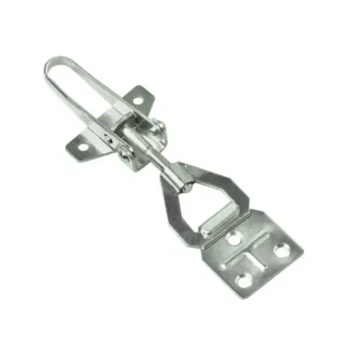
- Heavy Duty Adjustable Hive Connector
- Professional Grade Foldable Beehive Handles
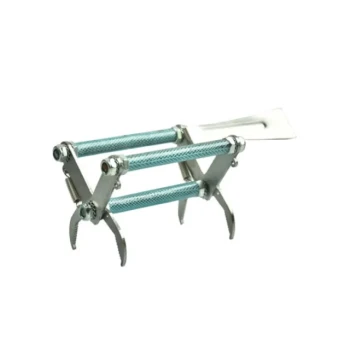
- Multi-Function Plier-Style Frame Grip Hive Tool
- Plastic Bee Frame Beekeeping Hive Frames for Wholesale
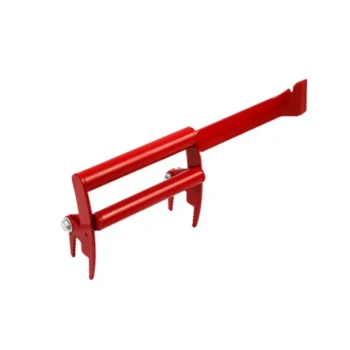
- Heavy-Duty Lever-Action Frame Grip with Hive Tool
People Also Ask
- Under what circumstance are beehive connectors particularly beneficial? Optimize Handling for Full Beehive Attachments
- What is the advantage of using the beehive connector when handling full attachments? Achieve Safe and Efficient Hive Transport
- What are the primary functions of a beehive connector? Ensure Hive Stability and Safe Colony Transport
- How can the connection length and strength of a beehive connector be adjusted? Master Tension with Threaded Mechanics
- What is the purpose of the beehive connector? Secure Your Hive for Safe Transport