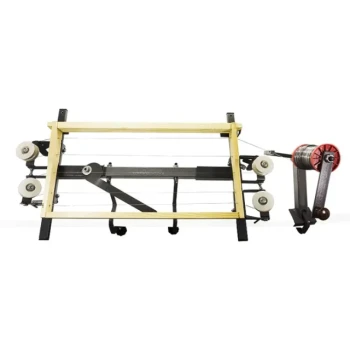
Standardized hygienic testing tools operate by creating a controlled, measurable stress test for the colony. Devices such as hydraulic liquid nitrogen freezers or precision pin-pricking instruments are used to artificially damage a specific patch of larvae. By timing how quickly worker bees detect and remove this damaged brood, technicians can quantitatively assess the colony's natural drive to eliminate unhealthy or infested larvae, which is a direct proxy for Varroa resistance.
By standardizing the damage mechanism, these tools allow breeders to objectively identify queens that carry high-hygienic genetic traits, leading to colonies that naturally suppress Varroa mites and larval diseases without excessive chemical intervention.
The Mechanism of Testing
Artificial Damage Induction
To assess resistance, the colony must be challenged. Specialized tools, including pneumatic or hydraulic liquid nitrogen freezing devices, are used to flash-freeze a specific section of the brood pattern. Alternatively, pin-pricking instruments are used to physically pierce the larvae.
Creating a Controlled Baseline
The value of these tools lies in standardization. Unlike observing natural disease outbreaks, which are unpredictable and variable, these devices damage a fixed area or number of larvae. This ensures that every colony is tested under identical conditions.
Linking Behavior to Varroa Resistance
Monitoring Removal Speed
Once the larvae are damaged, the clock starts. Technicians return after a set period to monitor the colony's response. The primary metric is the speed at which worker bees uncap and remove the dead larvae from the cells.
Identifying Genetic Traits
Colonies that rapidly clear the artificially damaged brood demonstrate a high genetic trait for hygienic behavior. This specific behavior is heritable, meaning it can be passed down from the queen to her offspring.
Interrupting the Mite Cycle
The behavior triggered by the test tools translates directly to Varroa defense. Worker bees that are quick to remove frozen larvae are also more likely to detect and remove larvae infested with Varroa destructor. This breaks the mite's reproductive cycle and significantly lowers the frequency of outbreaks.
Understanding the Trade-offs
Destructive Testing
It is important to acknowledge that this method is invasive. To gain valuable genetic data, a small portion of the colony's developing brood must be sacrificed. While the loss is usually negligible for a strong hive, it is a stress event.
Requirement for Precision
The reliability of the results depends entirely on the precision of the tool. If the freezing is uneven or the pin-pricking is too shallow, the bees may not detect the damage immediately. This can lead to false negatives, where a hygienic colony appears non-hygienic due to equipment error.
Making the Right Choice for Your Goal
Standardized testing is the bridge between observing behavior and breeding for resistance. Depending on your objective, here is how you should view these tools:
- If your primary focus is long-term breeding: Use these tools to identify and propagate queen lines that demonstrate the fastest removal rates, ensuring future generations inherit resistance.
- If your primary focus is immediate colony management: Use the test results to identify "blind" colonies with poor hygienic instincts and requeen them before disease pressure mounts.
By systematically applying these testing standards, you transform pest management from a reactive chemical battle into a proactive genetic strategy.
Summary Table:
| Tool Type | Mechanism of Action | Key Metric | Primary Benefit |
|---|---|---|---|
| Liquid Nitrogen Freezer | Flash-freezes a patch of brood | Removal speed (24/48h) | Objective, high-precision genetic screening |
| Pin-Pricking Instrument | Physical piercing of larvae | Detection rate | Low-cost, portable assessment method |
| Standardized Baseline | Controlled damage area | % of cells cleared | Uniform comparison across multiple colonies |
Elevate Your Breeding Precision with HONESTBEE
Are you a commercial apiary or distributor looking to strengthen colony health through genetic selection? HONESTBEE provides a comprehensive wholesale offering of professional-grade beekeeping tools and machinery designed to streamline your operations. From specialized testing hardware to advanced hive-making and honey-filling machines, we supply the full spectrum of equipment needed to build a resilient and productive honey-themed enterprise.
Ready to scale your impact on bee health? Contact us today to discover how our high-performance equipment and industry consumables can optimize your production and supply chain.
References
- Ciro Invernizzi Castillo, Estela Santos. Situación sanitaria de las abejas melíferas en Uruguay. DOI: 10.29155/vet.58.217.4
This article is also based on technical information from HonestBee Knowledge Base .
Related Products
- HONESTBEE Professional Mini J-Hook Hive Tool for Beekeeping
- HONESTBEE Premium Italian Style Hive Tool with Hardwood Handle
- Economy Galvanized Beekeeping Honey Bee Smoker for Wholesale
- Classic Wooden Bee Brush with Double-Row Boar Bristles
- Professional Stainless Steel Pry-Bar Hive Tool
People Also Ask
- What specific challenges do beekeeping hive tools address during hive maintenance? Essential Solutions for Apiaries
- What is the recommended method for storing beekeeping tools? Expert Vertical Storage Solutions for Your Apiary
- How does a favorable microclimate interact with beekeeping tools? Boost Overwintering Success and Equipment Longevity
- Why is the treatment of beekeeping tools with high-concentration chemical disinfectants necessary for preventing AFB?
- What are the features of a J-hook hive tool? Effortlessly Lift Frames with Superior Leverage