Stingless bees’ strong colony retention makes permanent, standardized hive equipment a practical foundation for commercial meliponiculture. Because stingless bees readily adapt to enclosed cavities and are generally unlikely to abandon a transferred nest, operators can invest in durable wooden hive boxes, modular components, and repeatable management systems. However, retention does not eliminate the need for species-appropriate design: internal space, entrance dimensions, sealing, thermal stability, and harvesting access must reflect the biology of pot-building bees.
The key implication is that stingless bee operations should prioritize durable, sealed, modular hive systems rather than temporary or highly portable equipment. Stable colonies support long-term production, but only when the equipment reproduces the protected cavity environment and allows management without damaging brood, honey pots, or pollen pots.
Why Colony Retention Changes Equipment Priorities
Permanent Hives Become Commercially Viable
Stingless bees’ tendency to remain in enclosed nests reduces the operational risk associated with frequent absconding. This allows commercial operators to establish fixed apiaries for honey production, colony propagation, and crop pollination.
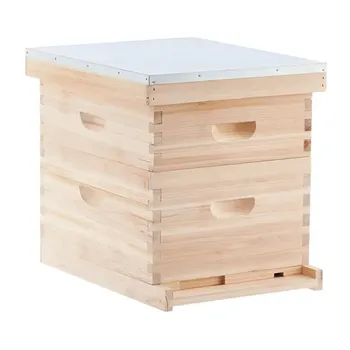
Equipment selection therefore shifts toward long-service-life hive boxes rather than low-cost temporary shelters. Durable construction, tight joints, weather resistance, and replaceable components become important purchasing criteria.
Standardization Produces Compounding Benefits
When colonies remain in place, standardized equipment can support consistent inspection, feeding, splitting, harvesting, and maintenance routines. Uniform hive dimensions also make it easier to train staff and manage larger inventories.
For distributors and commercial buyers, this creates demand for a complete compatible product range: hive boxes, covers, entrances, separators, stands, inspection tools, harvesting tools, and replacement parts should work within the same system.
Stable Colonies Justify Modular Management
A retained colony can be managed through controlled interventions such as colony division or artificial swarming. Modular hive structures make these procedures more predictable by allowing operators to separate or exchange components without rebuilding the entire nest environment.
This is especially valuable for operations expanding colony numbers. Interchangeable components can reduce labor intensity and simplify stock management across multiple apiary locations.
What Stingless Bee Biology Requires From Hive Equipment
Enclosed Cavities Must Be Properly Sealed
Stingless bees naturally occupy dark, protected cavities and seal nest entrances with propolis. Commercial hive boxes should therefore provide a controlled enclosure with tight-fitting parts and limited unintended openings.
Sealing protects the colony from rain, pests, predators, and disruptive drafts. It also helps preserve the stable internal conditions that support brood development and resource storage.
Internal Space Must Separate Colony Functions
Stingless bees do not organize resources in standard, flat, parallel honeycombs. They maintain distinct brood areas and store honey and pollen in resinous pots, so the hive must provide adequate space for these structures without creating unnecessary dead volume.
Internal dimensions should be selected by species and management method. Common reference sizes such as 20 × 20 × 20 cm or 20 × 20 × 25 cm, with wood around 1.5 cm thick, can be useful starting points, but they should not be treated as universal specifications.
Thermal Stability Matters
Wooden hive boxes provide natural insulation and help moderate the colony’s microclimate. This is particularly important during drought, heat, or other extreme climatic conditions.
Commercial equipment should balance insulation with practical handling. A box that is thermally stable but excessively heavy, difficult to inspect, or impossible to repair may reduce operational efficiency.
Entrance Design Requires Precision
Entrance diameter and placement influence worker access, colony defense, and exposure to predators. A standardized entrance can help maintain predictable management conditions, but the correct specification varies by species.
Manufacturers and resellers should avoid presenting one entrance size as suitable for every Meliponini operation. Species identification and local environmental conditions should guide final selection.
How Retention Affects Harvesting Equipment
Harvesting Must Protect the Nest
Because the colony is intended to remain in the hive for repeated production cycles, harvesting equipment should enable selective removal of mature honey or pollen pots. The process must minimize disturbance to brood structures and avoid unnecessary damage to propolis seals.
This favors gentle, species-specific tools over equipment designed for framed honeycomb colonies. Commercial systems may include access panels, removable modules, hand tools, collection containers, and fine filtration equipment.
Standard Honey Extractors Are Usually Unsuitable
Stingless bees store honey in individual pots rather than conventional wax combs. As a result, centrifugal honey extractors designed for framed comb generally do not match the physical structure of stingless bee nests.
Processing may instead require careful scooping, pressing, fine filtration, and liquid-filling equipment. The equipment should accommodate a pollen-rich, high-viscosity product while limiting contamination and excessive handling.
Propolis Requires Its Own Handling Strategy
Stingless bee colonies use resinous propolis in nest construction and entrance sealing. Harvesting systems should account for the value of propolis while preserving the colony’s essential defensive and structural materials.
A commercial product portfolio should therefore include tools and containers for both honey and propolis, with designs that support clean separation and colony-safe collection.
Why Precision Manufacturing Matters
Consistent Dimensions Improve Colony Management
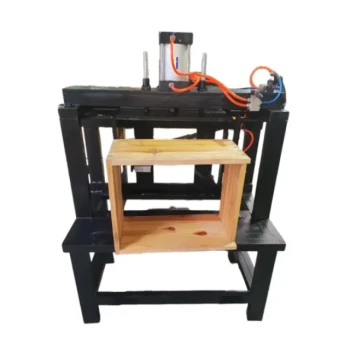
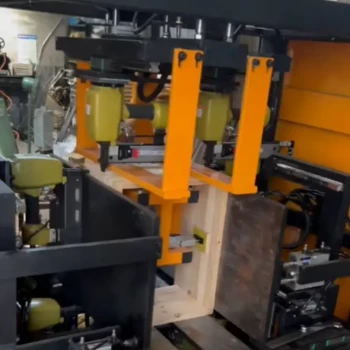
Precision hive-making equipment helps produce boxes with repeatable internal dimensions, reliable seals, and consistent component interfaces. This consistency supports predictable colony development and reduces variation between production units.
For commercial buyers, manufacturing precision is not only a quality issue. It directly affects whether boxes can be stacked, exchanged, repaired, and integrated into a broader apiary workflow.
Controlled Ratios Support Brood and Storage Areas
A properly designed hive must provide suitable spatial relationships between brood zones and resource-storage zones. Poor proportions can restrict colony expansion, complicate inspections, or encourage inefficient construction.
High-precision manufacturing helps maintain these design ratios across batches. This is especially important when an operation manages multiple colonies or supplies standardized units to customers.
Modular Compatibility Reduces Supply Risk
Commercial operators depend on predictable replacement and expansion. Standardized modules allow damaged parts to be replaced without discarding complete hives and make it easier to maintain a practical inventory of commonly used components.
For distributors and B2B resellers, compatibility is a commercial advantage. A supplier that can provide the full equipment ecosystem, with rapid order fulfillment and responsive technical support, reduces procurement friction for growing meliponaries.
Understanding the Trade-offs
Retention Is Not Absolute
Stingless bees are generally stable after transfer to a suitable enclosed hive, but colonies can still weaken, fail, or leave when exposed to poor conditions, pests, overheating, structural damage, inadequate food resources, or unsuitable hive design.
Equipment should reduce these risks, not be treated as a substitute for colony monitoring and sound management.
Standardization Must Not Ignore Species Differences
A uniform box system improves efficiency, but stingless bee species do not all have identical nesting requirements. Entrance dimensions, cavity volume, module design, and climatic tolerances may differ.
The strongest commercial approach is controlled standardization: keep the system modular and repeatable while offering species-specific sizes or configurable components.
Durable Equipment Has a Higher Initial Cost
Thicker, better-sealed wooden boxes and precision-manufactured modules may cost more than improvised shelters. Their value comes from longer service life, lower replacement frequency, improved colony protection, and more efficient labor.
Buyers should evaluate total operating cost rather than purchase price alone.
Overly Complex Hives Can Increase Labor
Modularity is useful when it simplifies inspection, splitting, or harvesting. It becomes counterproductive when the hive contains too many parts, difficult access points, or components that require specialized maintenance.
Equipment selection should be based on the actual workflow of the operation, including labor skills, climate, colony density, and harvesting frequency.
Making the Right Choice for Your Goal
The best equipment package should align colony biology with the scale and workflow of the business.
- If your primary focus is colony retention: Choose well-sealed, thermally stable wooden hives with species-appropriate internal dimensions and protected entrances.
- If your primary focus is apiary expansion: Choose standardized modular boxes and interchangeable components that support colony division, repairs, and consistent staff procedures.
- If your primary focus is honey production: Choose hive access systems and gentle extraction, pressing, filtration, and filling tools designed for resinous honey pots rather than framed comb.
- If your primary focus is pollination services: Choose durable, transportable modules that protect colony stability while allowing consistent placement and routine inspection.
- If your primary focus is distribution or resale: Build a full-spectrum product portfolio around compatible hive systems, replacement parts, harvesting tools, technical guidance, and fast order fulfillment.
When equipment respects stingless bee nesting behavior, colony retention becomes a practical foundation for efficient, scalable, and sustainable meliponiculture.
Summary Table:
| Factor | Impact on Equipment Selection |
|---|---|
| Colony Retention | Permanent, durable hives instead of temporary shelters |
| Standardization | Uniform systems for efficient management and training |
| Enclosed Cavities | Sealed, tight-fitting wood boxes |
| Internal Space | Species-appropriate dimensions separating brood and pots |
| Thermal Stability | Insulating wooden materials for climate protection |
| Entrance Design | Precise entrance sizes based on species |
| Harvesting Needs | Gentle tools for pot honey, not standard extractors |
| Propolis Handling | Separate collection tools and containers |
| Precision Manufacturing | Consistent dimensions and modular compatibility |
| Trade-offs | Balance durability, cost, and complexity |
Upgrade your meliponiculture with HONESTBEE's full-spectrum hive systems, precision tools, and rapid fulfillment. Our modular boxes, harvesting accessories, and propolis kits are designed for stable colonies and efficient operations. For distributors and beekeepers, we offer OEM/ODM support, certifications, and responsive service. Ensure supply reliability and grow your business—contact us today!
Related Products
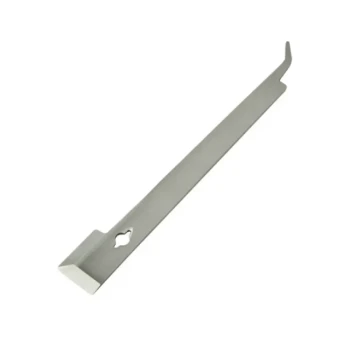
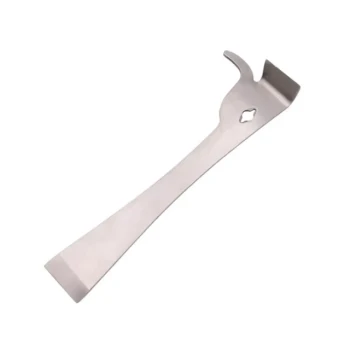
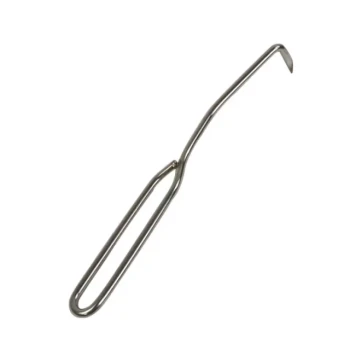
- Stainless Steel J Hook Hive Tool for Beekeeping
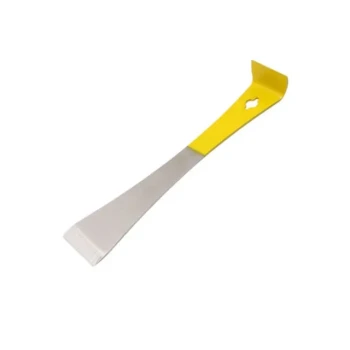
- HONESTBEE Classic Pry Bar Hive Tool with High Visibility Finish for Beekeeping
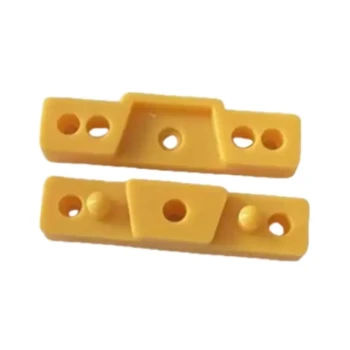
- Durable Plastic Interlocking Hive Connector for Beekeeping
- Professional Stainless Steel Pry-Bar Hive Tool
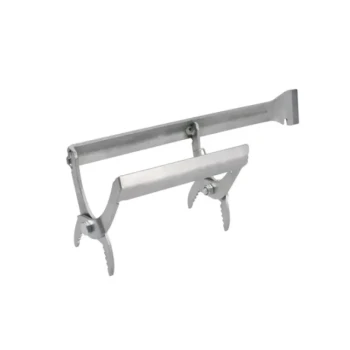
- Multi-Function Plier-Style Frame Grip Hive Tool
People Also Ask
- What specific challenges do beekeeping hive tools address during hive maintenance? Essential Solutions for Apiaries
- What is a J-hook hive tool and why is it favored by some beekeepers? Master Gentle Frame Handling
- What are the features of a J-hook hive tool? Effortlessly Lift Frames with Superior Leverage
- What is the purpose of the J-hook hive tool? Effortlessly Lift Frames with Superior Leverage
- How is a J-hook hive tool designed and what is its primary use? Master Effortless Hive Inspections