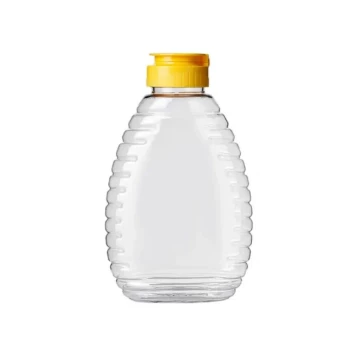
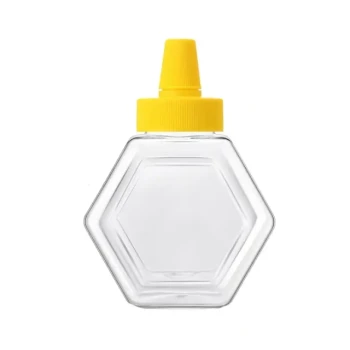
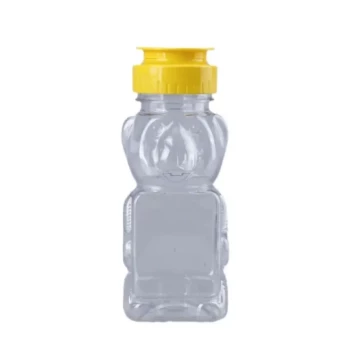
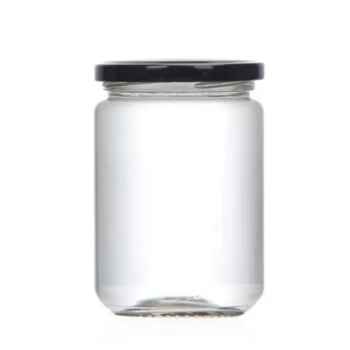
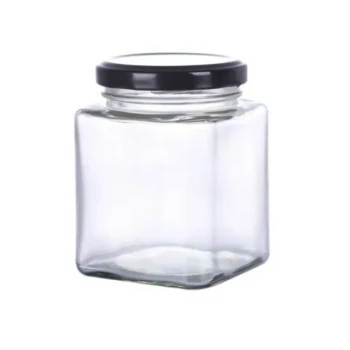
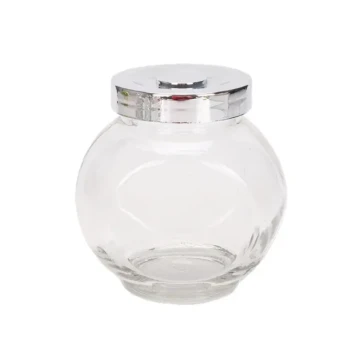
Plastic honey bottles differ primarily in their resilience, permitting them to be stacked high on shelves or floors without the structural risks associated with heavier materials. Conversely, glass jars are heavy and fragile, requiring low-profile storage—ideally on the ground—to prevent dangerous accidents.
Core Takeaway While plastic containers offer superior logistical flexibility and can be stacked aggressively to save space, glass demands caution and ground-level storage to manage weight and breakage risks. The choice involves balancing warehouse efficiency against the superior preservation qualities that glass offers the honey itself.
Physical Storage and Handling Logistics
Stacking Capabilities
Plastic bottles are highly resilient. Because they are lightweight and virtually unbreakable, you can stack them high on shelves or store them in tall stacks on the floor to maximize vertical space.
Glass jars require low profiles. Due to their significant weight and fragility, glass containers should ideally be stored on the ground or in very low stacks. High stacking creates a safety hazard regarding tipping and breakage.
Cleanliness and Contamination
Keep packaging sealed. Regardless of the material, all container boxes should remain sealed until the exact moment of filling.
Dust protection. Plastic bottles are often shipped in large bulk bags within boxes to ensure cleanliness. Keeping these barriers intact prevents dust and debris from contaminating the container interior prior to use.
Long-Term Preservation Factors
Barrier Properties
Glass acts as a total barrier. It is non-permeable, effectively preventing gas exchange and moisture intrusion. This stability maintains the physical and chemical indicators of the honey over long periods.
Plastic allows permeation. Plastic containers are generally more permeable than glass. Over time, this can allow for gas exchange, which may impact the honey's quality.
Chemical Interaction
Glass is chemically inert. Its dense molecular structure prevents the migration of harmful substances into the honey. This ensures no "plastic" taste is imparted and protects the honey's antibacterial components (like hydrogen peroxide).
Plastic carries leaching risks. While certified food-grade plastic is safe, there is a risk that some plastics may interact with the honey over time, potentially altering its flavor or quality.
Understanding the Trade-offs
Durability vs. Weight
Plastic is the logistical winner. It is lightweight and unbreakable, making it ideal for shipping and everyday handling without fear of loss due to accidents.
Glass is heavy and brittle. The weight of glass increases shipping costs and handling fatigue. The risk of breakage requires stricter warehouse protocols and more protective packaging materials.
Visibility and Inspection
Glass offers superior transparency. This allows for easy visual inspection of the honey’s color and crystallization state.
Plastic varies in clarity. While often clear, plastic does not always offer the same premium visual appeal or the ability to inspect the product's nuance as effectively as glass.
Making the Right Choice for Your Goal
To select the best storage solution, evaluate your primary constraints:
- If your primary focus is warehouse efficiency: Choose plastic bottles, as they allow for high vertical stacking and are resilient against rough handling.
- If your primary focus is long-term product quality: Choose glass jars to ensure an impermeable barrier against moisture and zero chemical interaction with the honey.
- If your primary focus is shipping cost reduction: Choose plastic to significantly reduce the weight of your freight and eliminate breakage during transit.
Select the material that aligns with your logistical capabilities and your quality standards.
Summary Table:
| Feature | Plastic Honey Bottles | Glass Honey Jars |
|---|---|---|
| Stacking Height | High (lightweight & resilient) | Low (heavy & fragile) |
| Fragility | Low (unbreakable) | High (shatters easily) |
| Weight | Lightweight (reduces shipping) | Heavy (increases costs) |
| Barrier Properties | Semi-permeable (gas exchange) | Total Barrier (impenetrable) |
| Leaching Risk | Possible over long periods | None (chemically inert) |
| Visual Clarity | Varies (good to moderate) | Superior (premium inspection) |
Scale Your Honey Business with HONESTBEE
Whether you prioritize the logistical efficiency of plastic honey bottles or the premium preservation of glass jars, HONESTBEE provides the specialized tools to manage your production. As a dedicated partner to commercial apiaries and global distributors, we offer a comprehensive wholesale range—from high-capacity honey-filling machines to a full spectrum of durable beekeeping equipment and consumables.
Ready to optimize your apiary’s efficiency? Contact us today to discover how our industrial-grade machinery and hardware can streamline your storage and packaging workflow.
Related Products
- Classic Beehive Honey Bottle Jar with Squeeze Dispenser Lid
- Squeezable No-Drip Beehive-Shaped Honey Jars with Flip-Top Cap
- Food Grade Plastic Honey Bucket Pail for Beekeeping
- Professional Plastic Honey Dipper for Easy Honey Drizzling
- Hexagonal Squeeze Honey Bottle with No Drip Lid
People Also Ask
- Why use high-quality honey jars? Protect Your Harvest with Superior Plastic & Glass Packaging Solutions
- What are the benefits of squeeze bottles for honey packaging? Unlock Mess-Free Convenience & Control
- How should honey bottles be prepared before pouring honey into them? The #1 Rule for Honey Longevity
- What are the features of honey bottles? Design for Convenience & Long-Term Preservation
- What are the features and benefits of using honey bottles for packaging? Optimize Preservation and Consumer Experience