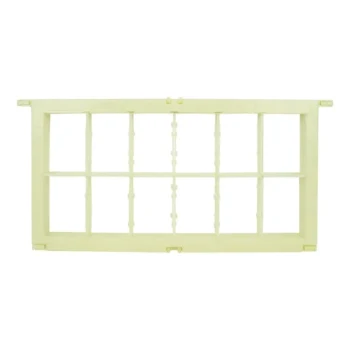
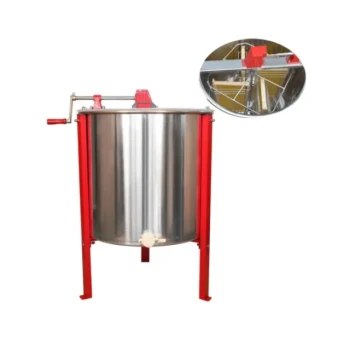
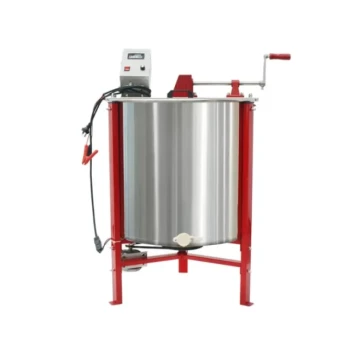
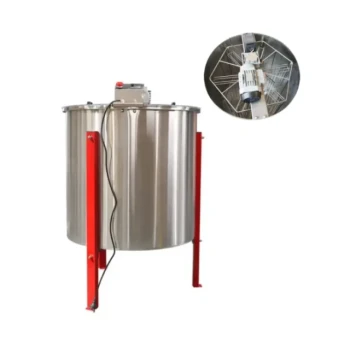
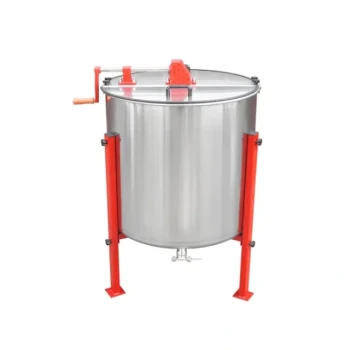
Wooden frames provide superior stability when subjected to the mechanical forces of honey extraction. While wooden components typically maintain their shape and integrity, plastic frames are susceptible to warping or bending, which can complicate their reuse in future seasons.
Core Insight: The primary operational difference is structural memory. Wooden frames withstand extraction forces without permanent deformation, whereas plastic frames risk warping, creating difficulties for subsequent harvest cycles.
Material Performance Under Pressure
The Resilience of Wood
Wooden beehive frames are highly resilient. They are specifically noted for their ability to hold up against the physical rigors of the extraction process.
Because wood is naturally rigid, these frames are unlikely to warp. This stability ensures that the frame retains its original dimensions even after being spun.
The Vulnerability of Plastic
In contrast, plastic frames exhibit significant instability during this phase. The stress of extraction can cause the material to bend or warp.
This deformation often occurs after the frame has been put through the extraction machinery. Once the plastic material has warped, it rarely returns to its original, true shape.
Long-Term Usability and Maintenance
Consequences for Future Batches
The deformation of plastic frames is not just a cosmetic issue; it creates functional problems. References indicate that once plastic frames warp, they become difficult to use for subsequent batches of honey.
Wooden frames, by resisting this warping, ensure a consistent fit and function year after year. This makes wood a more reliable option for beekeepers prioritizing equipment longevity.
The "Wet Frame" Cleanup Cycle
After extraction, frames still containing residual honey—known as "wet" frames—must be returned to the hive for cleaning.
The process involves placing these frames above the inner cover, allowing bees to clean them within a few days. If a plastic frame has warped during extraction, returning it to the hive stack for this cleaning process may be physically difficult due to misalignment.
Understanding the Trade-offs
The Risk of Equipment Failure
When selecting frames, you are effectively choosing between material inertness and material memory.
The primary downside of plastic in this context is the potential for equipment loss. If a frame warps significantly, it may need to be discarded or replaced, increasing long-term costs and effort.
Operational Consistency
Wood offers operational consistency. Because it does not yield to extraction forces, the user experience remains the same from the first harvest to the tenth.
Plastic introduces a variable of unpredictability. You cannot guarantee that a plastic frame entering the extractor will exit in a usable condition.
Making the Right Choice for Your Goal
- If your primary focus is Equipment Longevity: Choose wooden frames to ensure your equipment retains its shape and usability over many seasons.
- If your primary focus is Workflow Efficiency: Stick with wood to avoid the frustration of grappling with bent or misshapen frames during the "wet frame" cleaning process or future harvests.
Select the material that withstands the process, rather than one that succumbs to it.
Summary Table:
| Feature | Wooden Frames | Plastic Frames |
|---|---|---|
| Structural Stability | High; retains shape under pressure | Low; prone to warping and bending |
| Extraction Resilience | Excellent; withstands centrifugal forces | Variable; risk of permanent deformation |
| Long-term Reusability | High; remains consistent over seasons | Lower; warped frames often require replacement |
| Maintenance (Wet Frames) | Easy; fits perfectly back into the hive | Difficult; misalignment issues if warped |
| Operational Consistency | Reliable and predictable workflow | Unpredictable; potential for equipment failure |
Maximize Your Harvest Efficiency with HONESTBEE
Don't let warped equipment stall your commercial operations. At HONESTBEE, we specialize in supporting commercial apiaries and distributors with high-quality, resilient beekeeping solutions. Whether you need traditional wooden frames that stand the test of time or advanced honey-filling and hive-making machinery to scale your production, we have the comprehensive wholesale offering you need.
From essential industry consumables to specialized hardware and honey-themed cultural merchandise, we provide the tools to ensure your workflow remains consistent and profitable. Contact us today to discuss how our premium equipment can enhance your apiary's performance and longevity.
Related Products
- Stainless Steel 3 Frame Manual Honey Extractor Spinner for Bee Honey Extraction
- Commercial 48-Frame Stainless Steel Honey Extractor
- Professional Sectional Comb Honey Frame with 250g Cassette System for Beekeeping
- Manual Hand Crank 4 Frame Honey Extractor Centrifuge for Beekeeping
- HONESTBEE 4 Frame Manual Self Reversing Honey Extractor for Beekeeping
People Also Ask
- Which type of honey extractor is generally more durable? Focus on Material & Build Quality for Longevity
- What are the disadvantages of a manual honey extractor? Overcome Efficiency Bottlenecks in Your Apiary
- What is a manual honey extractor? The Essential Guide to Cost-Effective Beekeeping for Beginners
- Why are manual extractors popular among beginner beekeepers? A Guide to Starting Simple & Saving Money
- What are the primary advantages of utilizing a manual honey extractor? Cost-Effective & Gentle Harvesting