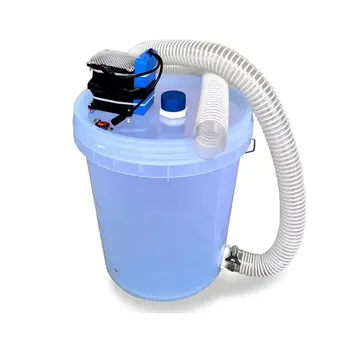
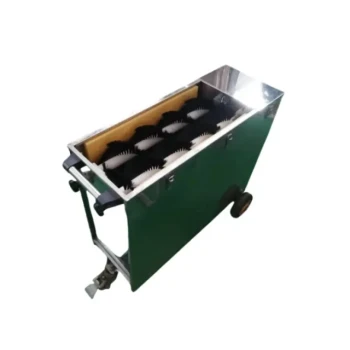
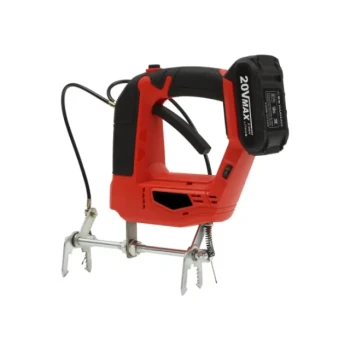
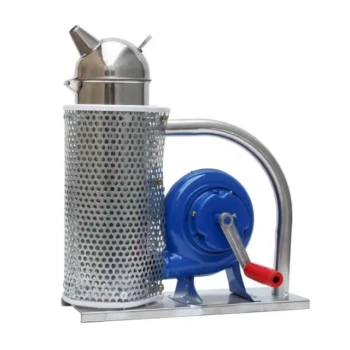
A bee vacuum functions by utilizing controlled negative pressure to capture honey bees safely for relocation. Unlike a standard household vacuum designed for high-velocity debris removal, a bee vacuum operates at a significantly lower suction power. This specialized airflow is generated to pull bees from surfaces without subjecting them to fatal physical trauma.
The core engineering challenge of a bee vacuum is maintaining a delicate equilibrium: the suction must be strong enough to dislodge the bees, yet gentle enough to prevent them from dying upon impact inside the collection container.
The Mechanics of Gentle Capture
The Role of Negative Pressure
The device operates on the principle of negative pressure. A fan or motor evacuates air from a container, creating a vacuum that rushes to fill the void.
This airflow is directed through a hose, which acts as the intake mechanism. The bees are caught in this air stream and transported through the hose into a holding chamber.
Regulating Airflow
Precise regulation of this airflow is the defining feature of the tool. The motor is specifically calibrated to move high volumes of air at lower speeds compared to cleaning equipment.
This ensures that the bees are not subjected to high G-forces. They travel through the hose and are deposited softly into a catch box or cage.
The Critical Balance of Power
Preventing Impact Injury
The primary danger to a bee during vacuuming is the moment of entry into the collection container. If the suction is too high, the bee becomes a projectile.
Hitting the back of the container at high speed will kill or severely injure the insect. A bee vacuum is designed to mitigate this velocity, allowing the bee to land unharmed.
Overcoming Resistance
Despite the need for gentleness, the vacuum cannot be too weak. Bees have a strong grip and can cluster tightly together, especially in swarms.
The device must generate enough static pressure to break the bees' hold on the comb or surface. This requires a motor capable of consistent torque, even if the overall airflow velocity is kept low.
Understanding the Trade-offs
Speed vs. Survival Rate
The most common pitfall when operating or selecting a bee vacuum is prioritizing speed over safety. A more powerful vacuum will clear a colony faster, but the mortality rate will rise sharply.
Operators must accept a slower working pace. This patience is necessary to ensure the colony remains viable for relocation.
Range vs. Suction Loss
Another trade-off involves the length of the hose used to reach difficult locations. As the hose gets longer to reach high branches or deep wall cavities, friction reduces suction power.
To compensate, the vacuum unit requires a robust enough motor to maintain the necessary negative pressure over distance without requiring a dangerous increase in velocity at the nozzle.
Making the Right Choice for Your Goal
Whether you are removing a rogue colony from a wall or capturing a docile swarm, understanding the physics of the tool is essential for success.
- If your primary focus is Colony Preservation: Always test the suction against your hand first; it should feel like a gentle pull, not a sharp bite, to ensure the bees survive the transfer.
- If your primary focus is Hard-to-Reach Extraction: Ensure your unit has a variable power control to increase suction slightly for long hose runs, then dial it back as the bees get closer to the canister.
The bee vacuum is ultimately a conservation device, engineered to turn a difficult removal job into a safe relocation mission.
Summary Table:
| Feature | Bee Vacuum Specification | Purpose in Relocation |
|---|---|---|
| Suction Type | Controlled Negative Pressure | Pulls bees gently without fatal impact |
| Airflow Speed | Low Velocity / High Volume | Prevents bees from becoming high-speed projectiles |
| Regulation | Variable Power Control | Adjusts for hose length and swarm density |
| Internal Design | Soft Landing Zone/Catch Box | Ensures colony survival upon entry |
| Primary Goal | Conservation & Relocation | Safely moves bees from structures to hives |
Elevate Your Beekeeping Operations with HONESTBEE
At HONESTBEE, we understand that professional colony relocation requires the right balance of power and precision. As a premier provider for commercial apiaries and global distributors, we supply high-performance bee vacuums and specialized extraction machinery designed for maximum survival rates.
From advanced hive-making equipment to honey-filling machines and essential industry consumables, our comprehensive wholesale portfolio caters to every facet of your business. Whether you are scaling a commercial relocation service or stocking your distribution network, we deliver the tools you need to succeed.
Partner with the industry experts. Contact us today to explore our wholesale offerings and discover how HONESTBEE can streamline your beekeeping supply chain.
Related Products
- Portable Electric Bee Vacuum with Lithium Battery and 20L Collection Bucket
- Commercial Grade Vertical Electric Bee Sweeper for Bee Removal
- Double Row Artificial Fiber Bee Brush for Beekeeping
- Stainless Steel Round Beehive Air Vents for Ventilation
- High Performance Cordless Electric Bee Shaker for Beekeeping
People Also Ask
- What are the advantages of using portable bee vacuums for sampling honey bees? Optimize Nosema Detection Efficiency
- Who is qualified to use a bee vacuum? Essential Safety and Experience Requirements for Effective Bee Relocation
- What potential problems can occur when using a bee vacuum? Prevent Colony Mortality and Ensure Safe Bee Removal
- What are the benefits of using a bee vacuum? Safely Remove & Preserve Honey Bee Colonies
- Why do people use bee vacuums? A Humane Solution for Live Bee Removal