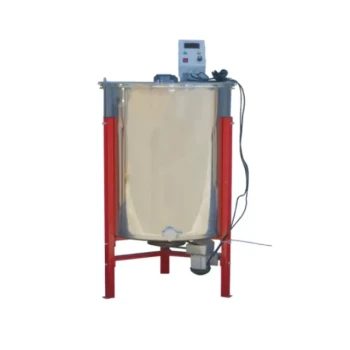
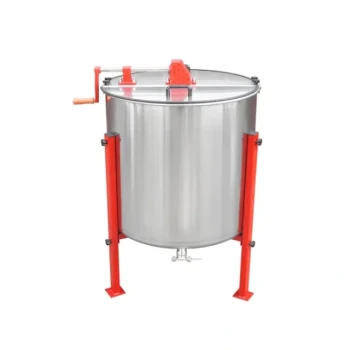
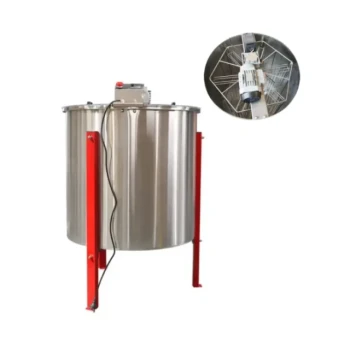
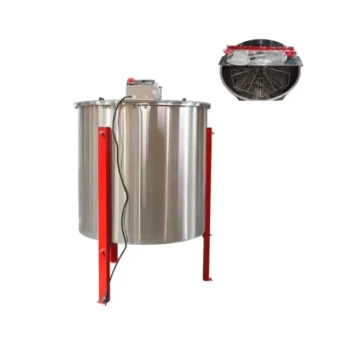
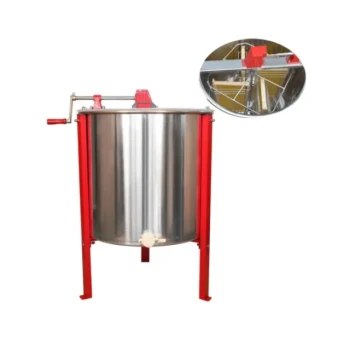
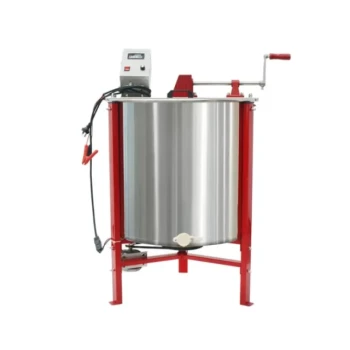
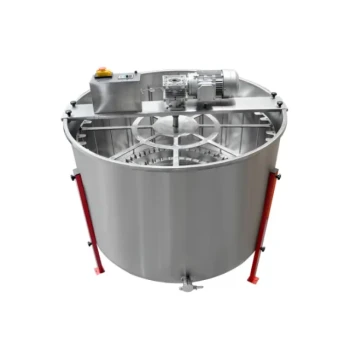
The fundamental difference lies in the preservation of the wax comb. A centrifugal extractor uses rotational force to spin honey out of uncapped frames, leaving the structure intact for reuse by the colony. Conversely, the crush and strain method involves physically destroying the honeycomb to release the honey, forcing the bees to rebuild the wax infrastructure from scratch.
The choice between these methods is a trade-off between capital investment and biological cost: centrifugal extraction costs more in equipment but saves the bees significant energy, while crush and strain is free to start but "taxes" the hive by destroying their work.
The Mechanics of Centrifugal Extraction
How the Process Works
This method requires a specialized machine called an extractor, which can be manual or electric. You first uncap the honeycomb cells using a fork or heated knife, then place the frames vertically into the extractor's basket.
Applying Rotational Force
As the basket spins, centrifugal force pulls the honey out of the cells and flings it against the inner walls of the drum. The honey then drains down to the bottom, where it is sieved into a storage container to settle.
Preservation of the Comb
The defining feature of this method is that the wax frames remain intact. Because the comb is not destroyed, it can be immediately returned to the hive.
Production Efficiency
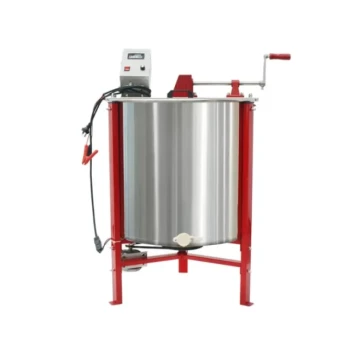
Electric extractors, in particular, increase production speed and prevent mechanical damage to the comb. This method also minimizes the introduction of impurities and preserves volatile flavor compounds better than methods involving heat or heavy pressing.
The Mechanics of Crush and Strain
The Manual Process
This is a low-tech technique where the entire honeycomb is scraped off the frame and into a bucket. The wax is physically crushed to rupture the cells and release the honey.
Gravity Filtration
The mixture of broken wax and honey is poured into a sieve or colander placed over a second container. Gravity slowly separates the honey from the wax over time, usually requiring the setup to sit overnight.
Environmental Requirements
To work effectively, this process is best performed in a warm room, as cold honey flows poorly. Occasional stirring and scraping of wax flakes can help increase the yield.
Understanding the Trade-offs
The Biological Cost of Wax
The most critical technical consideration is the "cost" of wax. In the crush and strain method, the comb is destroyed, meaning bees must consume significant amounts of honey and energy to secrete new wax and rebuild the comb.
Scalability and Speed
Centrifugal extraction is fast and scalable, suitable for beekeepers of all levels. Crush and strain is a slow process; while feasible for one or two hives, it becomes a logistical bottleneck as your apiary grows.
Equipment Cost vs. Simplicity
Crush and strain requires almost no capital investment—just buckets and strainers. Centrifugal extractors represent a medium-to-high cost, but they pay dividends in higher honey yields over time due to the reuse of drawn comb.
Making the Right Choice for Your Goal
While both methods produce high-quality honey, your decision should depend on your budget and the number of hives you manage.
- If your primary focus is minimizes upfront costs for 1-2 hives: Utilize the crush and strain method, as it requires no specialized machinery and is sufficient for very small harvests.
- If your primary focus is maximizing honey yield and hive health: Invest in a centrifugal extractor, as returning drawn comb to the hive allows bees to focus on honey production rather than wax rebuilding.
The most efficient beekeeping practice preserves the bees' labor (the wax comb) to maximize the harvest of their product (the honey).
Summary Table:
| Feature | Centrifugal Extraction | Crush and Strain |
|---|---|---|
| Wax Treatment | Preserves intact comb for reuse | Destroys comb (requires rebuilding) |
| Equipment Needed | Manual or electric extractor | Buckets, scrapers, and sieves |
| Processing Speed | Fast and scalable | Slow (gravity-dependent) |
| Biological Cost | Low (saves bee energy) | High (bees must produce more wax) |
| Initial Investment | Moderate to High | Low to None |
| Best For | Commercial apiaries & growth | Hobbyists with 1-2 hives |
Maximize Your Honey Production with HONESTBEE
Are you ready to scale your beekeeping operation? HONESTBEE specializes in empowering commercial apiaries and distributors with high-performance beekeeping machinery. By choosing our advanced centrifugal extractors, you preserve your colony's hard work, allowing your bees to focus on honey production rather than wax rebuilding.
From industrial honey-filling machines and specialized hive-making hardware to a full spectrum of beekeeping tools and consumables, we provide the comprehensive wholesale solutions you need to succeed.
Ready to upgrade your equipment and increase your yield?
Contact HONESTBEE Today for a Wholesale Quote
Related Products
- electric honey extractor honey centrifuge 3 frame honey extractor stainless steel honey frame extractor
- Manual Hand Crank 4 Frame Honey Extractor Centrifuge for Beekeeping
- Professional 4 Frame Self Reversing Electric Honey Extractor for Beekeeping
- Electric 4 Frame Tangential Honey Extractor
- 24 Frame Honey Extractor Commercial Radial Honey Frame Extraction Machine
People Also Ask
- What are the characteristics of electric honey extractors? Boost Your Apiary Efficiency with Automated Technology
- What are the disadvantages of using an electric honey extractor? Weighing Cost, Power, and Comb Safety
- What are the advantages of an electric honey extractor? Boost Efficiency and Scale Your Honey Production
- What are the technical advantages of electric honey extractors? Maximize Yield and Protect Your Bee Colony
- How does an electric honey extractor affect the quality of honey? Preserve Flavor & Purity with Precision Extraction