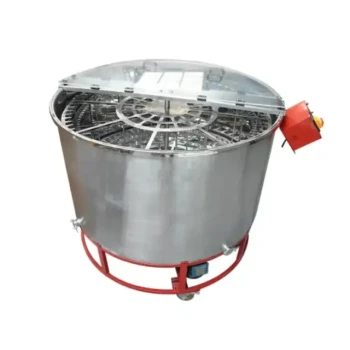
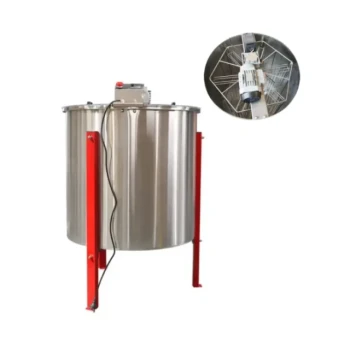
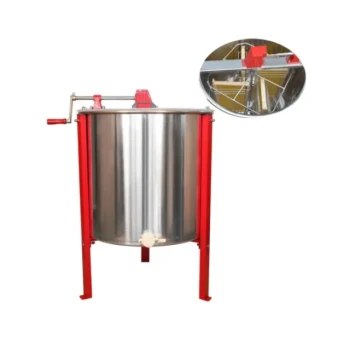
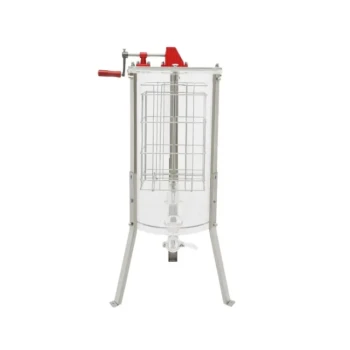
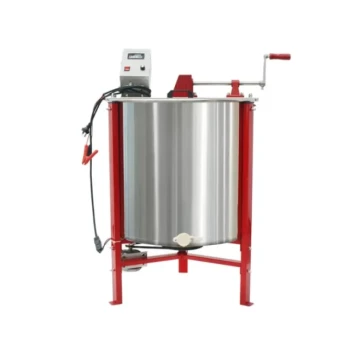
The primary function of a honey extractor is to separate liquid honey from the comb using centrifugal force. This mechanical process spins the frames at high speeds, pulling the honey out while leaving the delicate wax structure intact. By avoiding destructive harvesting methods, the extractor serves as the core equipment for efficient, modern beekeeping.
The Core Insight: The true value of a honey extractor is not just speed, but resource conservation. By preserving the wax comb, you eliminate the need for bees to rebuild their infrastructure, allowing the colony to immediately redirect energy from construction back to honey production.
The Mechanics of Extraction
Utilizing Centrifugal Force
The extractor operates as a specialized centrifuge. Beekeepers place uncapped frames into a drum, which rotates to generate centrifugal force. This physical force draws the mature honey out of the cells and throws it against the drum's inner wall, where it drains to the bottom for collection.
Non-Destructive Separation
Unlike traditional methods that might involve crushing or straining the comb, an extractor protects the structural integrity of the wax. The machine removes the liquid harvest without damaging the foundation or the cell walls. This ensures the frames remain viable for immediate re-introduction to the hive.
The Biological and Economic Advantages
Reducing Biological Energy Loss
Producing wax is an energy-intensive process for a bee colony. Bees must consume large amounts of nectar—which could otherwise be stored as honey—to secrete the wax necessary for building combs. By using an extractor, you bypass this biological cost entirely.
Shortening the Production Cycle
When intact combs are returned to the hive, the colony can resume storing nectar immediately. This significantly shortens the turnaround time between harvests. Because the bees do not need to rebuild the comb, the colony recovers faster and maintains a higher level of productivity throughout the season.
Lowering Production Costs
For the beekeeper, the ability to reuse combs translates to reduced operational costs. It maximizes the yield per hive by converting more nectar into harvestable honey rather than structural wax. This efficiency makes the extractor an essential tool for scaling production.
Operational Considerations and Trade-offs
Configuration Impacts Efficiency
While all extractors preserve comb, the internal configuration matters. Radial extractors, for example, arrange frames like the spokes of a wheel. This allows honey to be extracted from both sides of the frame simultaneously, saving time by eliminating the need to stop and flip the frames manually.
Purity and Quality Control
Using centrifugal force aids in maintaining honey purity. The process effectively separates the liquid from the solid wax structure, resulting in a cleaner final product with fewer impurities compared to crush-and-strain methods.
Making the Right Choice for Your Goal
The extractor is more than a harvesting tool; it is a sustainability device for the hive.
- If your primary focus is maximizing yield: Prioritize the return of intact combs to the hive to prevent bees from consuming nectar to create new wax.
- If your primary focus is process efficiency: Consider a radial extractor model to eliminate the downtime associated with flipping frames during the spin cycle.
By shifting the burden of extraction from the bees to the machine, you effectively turn a recovery period into a production period.
Summary Table:
| Feature | Benefit of Honey Extractor | Impact on Beekeeping |
|---|---|---|
| Mechanism | Centrifugal Force Separation | Extracts honey without damaging wax cells |
| Comb Integrity | Non-Destructive Extraction | Allows frames to be reused immediately |
| Biological Cost | Conserves Bee Energy | Bees save nectar by not rebuilding wax structure |
| Production Speed | Shorter Turnaround Time | Increases the number of harvests per season |
| Product Quality | High Purity | Cleaner honey with fewer wax impurities |
Scale Your Apiary with HONESTBEE Professional Solutions
Maximize your honey yield and operational efficiency with HONESTBEE. We specialize in supporting commercial apiaries and distributors by providing a comprehensive range of beekeeping tools, advanced honey-filling machines, and essential industry consumables.
Our high-performance honey extractors are designed to protect your biological assets—your bees and their combs—ensuring you convert more nectar into profit. Whether you are looking for specialized hive-making machinery or bulk wholesale equipment, our expertise is your competitive advantage.
Ready to optimize your production? Contact our expert team today to discuss our wholesale offerings and industrial solutions tailored to your business needs.
References
- Lyubomir Lyubenov, Ivaylo Hristakov. Profitableness and perspective of the apiculture in North-eastern Bulgaria. DOI: 10.22616/rrd.27.2021.024
This article is also based on technical information from HonestBee Knowledge Base .
Related Products
- HONESTBEE 72 Frame Industrial Electric Honey Extractor for Beekeeping
- Commercial Electric 12 Frame Honey Extractor Spinner Motorized Honey Extractor
- HONESTBEE 3-Frame Manual Acrylic Honey Extractor
- electric honey extractor honey centrifuge 3 frame honey extractor stainless steel honey frame extractor
- HONESTBEE 6 Frame Self Reversing Electric Honey Extractor for Beekeeping
People Also Ask
- What is the importance of balancing honeycomb frames within a honey extractor? Ensure Stability and Protect Machinery
- How is honey separated from the frames after they are uncapped? Efficient Extraction Methods for High Yields
- What are the main benefits of using a honey extractor? Maximize Yields and Protect Your Honeycomb
- What are the recommended methods for removing honey from the honeycomb? Top Extraction Techniques for Maximum Efficiency
- How do manual honey extractors compare to electric honey extractors? Choosing the Right Tool for Your Apiary Growth