A honey extractor is a specialized mechanical device used by beekeepers to harvest liquid honey from honeycombs without damaging the wax structure. It operates on the principle of centrifugal force, spinning frames at high speeds to fling honey out of the cells so it can be collected and packaged.
Core Takeaway: The extractor's primary value is not just harvesting, but preservation. By using rotational force rather than crushing the comb, it allows the empty wax frames to be returned to the hive, saving bees the immense energy required to rebuild them.
The Mechanics of Extraction
The Drum and Basket Assembly
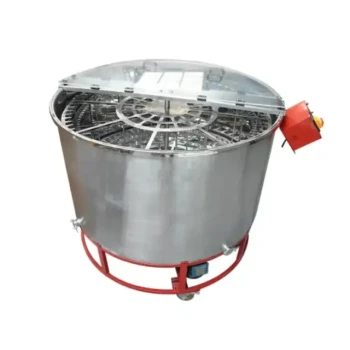
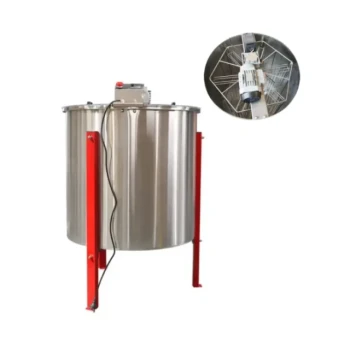
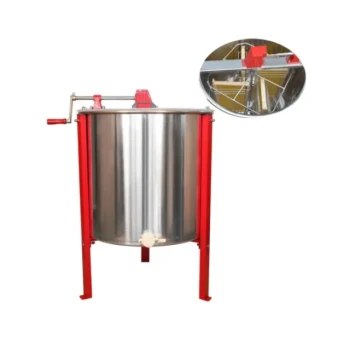
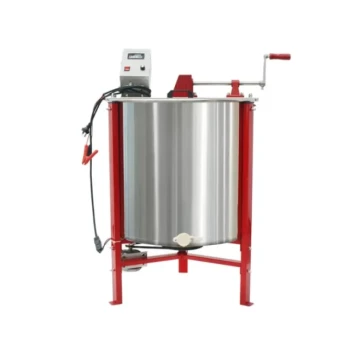
The device consists of a large cylindrical drum, typically constructed from stainless steel or food-grade plastic.
Inside the drum sits a rotating basket or cage designed to hold framed honeycombs securely. This basket is connected to a central axle, which is rotated via a manual hand crank or an electric motor.
The Physics of Centrifugal Force
The fundamental operating principle is centrifugal force. As the basket spins, the physical force pulls the liquid contents outward, away from the center of rotation.
Because the wax comb is solid and the honey is liquid, the honey is "flicked" out of the uncapped cells. It strikes the inner wall of the drum, drains down to the bottom, and exits through a gate or tap.
Why This Method Matters
Non-Destructive Harvesting
Before extractors, harvesting often involved crushing the comb and straining the mash to separate the honey from the wax.
The extractor eliminates this destruction. The structural integrity of the comb remains intact throughout the process.
Efficiency and Hive Health
Bees consume a significant amount of honey and energy to produce beeswax.
By returning empty, intact combs to the hive, you allow the bees to focus immediately on refilling the cells. This cycle significantly increases honey production rates compared to methods that require bees to rebuild from scratch.
Understanding the Trade-offs
Equipment Footprint and Maintenance
While efficient, extractors are bulky pieces of equipment that require storage space and cleaning.
Whether you choose plastic or stainless steel, the drum must be meticulously cleaned and dried after every harvest to prevent fermentation or contamination of future batches.
Manual vs. Electric Complexity
Manual extractors are cost-effective but physically demanding, requiring the beekeeper to hand-crank the basket for the duration of the spin.
Electric extractors automate the work and maintain consistent speed, but they introduce higher costs and mechanical complexity that may require maintenance over time.
Making the Right Choice for Your Goal
To select the right extraction method, consider your volume and long-term plans:
- If your primary focus is small-scale or hobby beekeeping: A manual extractor offers a cost-effective balance between efficiency and expense, perfect for harvesting a few hives.
- If your primary focus is commercial production or high volume: An electric extractor is essential to reduce physical labor and speed up the processing time for dozens of frames.
- If your primary focus is longevity and hygiene: Prioritize a stainless steel drum over plastic, as it is more durable and easier to sanitize for decades of use.
The honey extractor is the bridge between a raw hive and a jar of honey, turning a sticky, difficult task into a streamlined process that benefits both the beekeeper and the bees.
Summary Table:
| Feature | Manual Extractor | Electric Extractor |
|---|---|---|
| Operating Principle | Centrifugal Force (Hand-cranked) | Centrifugal Force (Motor-driven) |
| Ideal User | Hobbyists & Small-scale beekeepers | Commercial apiaries & High-volume producers |
| Material | Food-grade plastic or Stainless steel | Primarily high-grade Stainless Steel |
| Key Benefit | Cost-effective; no power needed | Reduced labor; consistent spinning speeds |
| Comb Preservation | High (Non-destructive) | High (Non-destructive) |
Scale Your Honey Production with HONESTBEE
At HONESTBEE, we specialize in empowering commercial apiaries and distributors with professional-grade harvesting solutions. Our comprehensive wholesale catalog includes high-performance manual and electric honey extractors, hive-making machinery, and honey-filling equipment designed for maximum durability and hygiene.
By choosing our precision-engineered tools, you ensure the integrity of your wax combs and the efficiency of your harvest cycle. From specialized hardware to honey-themed cultural merchandise, we provide the full spectrum of equipment and consumables to grow your business.
Ready to upgrade your apiary’s efficiency? Contact us today to explore our wholesale offerings!
Related Products
- HONESTBEE 72 Frame Industrial Electric Honey Extractor for Beekeeping
- Commercial Electric 12 Frame Honey Extractor Spinner Motorized Honey Extractor
- HONESTBEE 3-Frame Manual Acrylic Honey Extractor
- electric honey extractor honey centrifuge 3 frame honey extractor stainless steel honey frame extractor
- HONESTBEE 6 Frame Self Reversing Electric Honey Extractor for Beekeeping
People Also Ask
- What is the importance of balancing honeycomb frames within a honey extractor? Ensure Stability and Protect Machinery
- How is honey separated from the frames after they are uncapped? Efficient Extraction Methods for High Yields
- What are the main benefits of using a honey extractor? Maximize Yields and Protect Your Honeycomb
- What are the recommended methods for removing honey from the honeycomb? Top Extraction Techniques for Maximum Efficiency
- How do manual honey extractors compare to electric honey extractors? Choosing the Right Tool for Your Apiary Growth