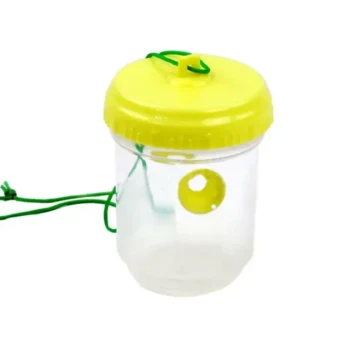
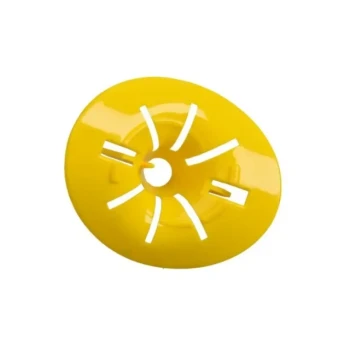
A Pollen Trap functions as a precision mechanical filter installed directly at the entrance of a beehive. It forces returning foraging bees to crawl through a specific grid system with carefully calibrated apertures. As the bees squeeze through these holes to enter the hive, the physical friction strips the pollen pellets from their hind legs, causing the pellets to fall into a collection container while allowing the bees to pass through unharmed.
The Pollen Trap automates the harvesting process by leveraging the natural entry behavior of the colony. It provides a non-invasive, continuous method to collect large-scale, contamination-free pollen samples essential for environmental analysis and commercial use.
The Mechanics of Extraction
The Grid Interface
The core component of the trap is the pollen plate or grid. This barrier is designed with openings sized specifically to accommodate the body of a worker bee but not the pollen loads attached to their hind legs.
Friction-Based Separation
As the bee attempts to navigate the grid, the edges of the apertures mechanically intercept the pollen pellets. This physical friction dislodges the pellets without injuring the insect, effectively stripping the resource before it enters the main hive body.
Collection and Isolation
Once dislodged, the pollen falls through a secondary mesh screen into a dedicated collection tray below. This multi-stage design is critical; the mesh prevents the bees from accessing and retrieving the fallen pollen, ensuring the sample remains isolated from the hive environment.
The Value of Physical Interception
Ensuring Sample Purity
Because the trap intercepts pollen at the entrance, the material never enters the internal hive environment. This results in "contamination-free" samples that have not been exposed to internal hive debris or processed by the colony, which is vital for analyzing environmental pollutants or floral resources.
Eliminating Sampling Bias
Manual sampling from within the hive is often subject to researcher selection bias. In contrast, a Pollen Trap acts as a passive, automated collection device that objectively captures the actual composition of pollen brought back daily, providing a representative dataset of surrounding vegetation.
Understanding the Trade-offs
Mechanical Dependability vs. Maintenance
While the device allows for large-scale collection without manual intervention, it is a physical barrier that alters the hive entrance. The grid must be kept clean to ensure bees can enter freely; otherwise, debris buildup could hinder colony traffic or reduce the efficiency of pollen stripping.
Resource Management
The trap is highly effective at stripping pollen, which is the colony's primary protein source. While the device itself causes no physical harm to the bees, operators must balance collection with the colony's nutritional needs to prevent resource depletion.
Making the Right Choice for Your Goal
To maximize the utility of a Pollen Trap, align its usage with your specific operational objectives:
- If your primary focus is Environmental Monitoring: Deploy traps for continuous intervals to generate unbiased, real-time data on local floral resources and pollution levels.
- If your primary focus is Commercial Harvesting: Utilize the trap to secure large-scale, hygienic pollen volumes suitable for high-protein supplements or industrial raw materials.
- If your primary focus is Honey Quality Research: Use the trap to correlate specific pollen compositions with the lipid and fatty acid profiles of your honey yield.
By mechanically automating the collection process, you transform pollen sampling from a manual chore into a stream of precise, objective data.
Summary Table:
| Feature | Mechanism | Benefit |
|---|---|---|
| Grid Interface | Calibrated apertures for bee entry | Precisely strips pollen pellets from hind legs |
| Secondary Mesh | Separation barrier | Prevents bees from retrieving fallen pollen |
| Entrance Placement | Physical interception at hive mouth | Ensures zero internal hive contamination |
| Passive Collection | Automated daily harvesting | Eliminates sampling bias for objective data |
Elevate Your Bee Product Business with HONESTBEE
At HONESTBEE, we specialize in empowering commercial apiaries and global distributors with professional-grade beekeeping solutions. Whether you are scaling up commercial pollen harvesting or conducting precise environmental research, our comprehensive wholesale portfolio includes high-efficiency pollen traps, honey-filling machinery, and hive-making equipment designed for industrial durability.
From essential consumables to specialized hardware, we provide the tools you need to maximize your yield and ensure product purity. Contact us today to explore our wholesale offerings and see how our global supply chain can benefit your business.
References
- A. EL-Hady, Ahmed A. Taha. QUNTITY OF COLLECTING POLLEN BY HONEY BEE ( Apis mellifera L. ) AND ITS RELATION WITH CLIMATIC CONDITIONS IN GHARBIA GOVERNORATE, EGYPT. DOI: 10.21608/jppp.2013.87408
This article is also based on technical information from HonestBee Knowledge Base .
Related Products
- Removable Plastic Pollen Trap With Ventilated Tray for Bees Pollen Collector
- 30 cm Plastic Entrance Hole Bee Pollen Trap and Collector
- Plastic Bee Pollen Trap Strips Comb Catcher Collector
- High-Efficiency Diamond Maze Bee Escape for Clearing Supers
- Professional Bucket Style Wasp and Moth Pheromone Trap
People Also Ask
- What are the design principles and advantages of pollen traps in the collection of bee pollen? Boost Your Apiary Yield
- What is the function of professional pollen traps in evaluating honey plants? Quantifying Pollination and Crop Potential
- What functions do pollen traps serve for bee bread production? Optimize Your Raw Material Collection
- What maintenance and pest prevention measures should be taken for pollen traps? Protect Your Hive and Harvest Quality
- How does the use of pollen traps in honeybee hives enhance crop fertilization? Boost Your Yield Through Induced Activity