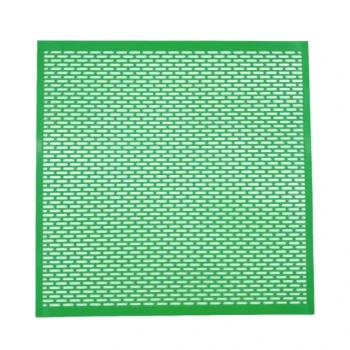
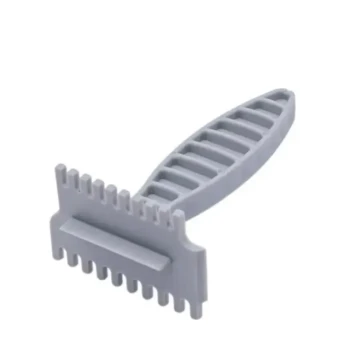
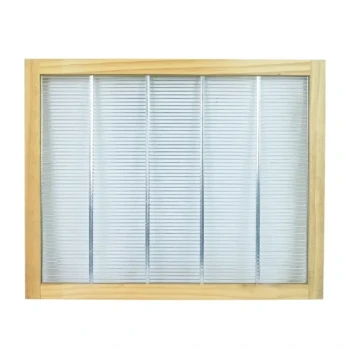
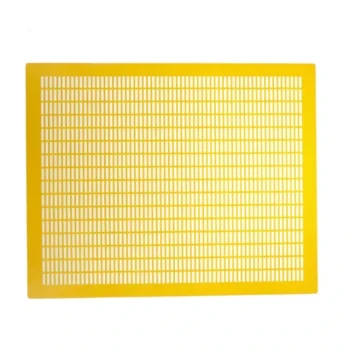
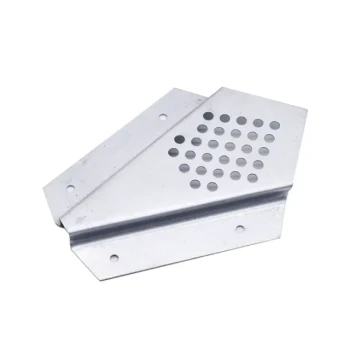
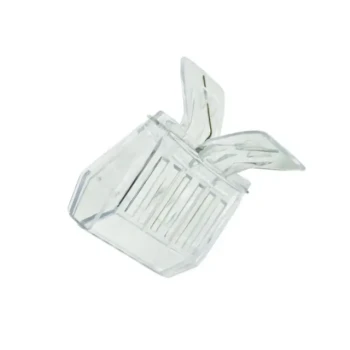
A standard queen excluder functions as a precise biological filter that fundamentally alters the internal organization of a hive. By physically confining the queen to the lower brood chamber while allowing smaller worker bees unrestricted access to the upper sections, it partitions the colony into distinct reproductive and nursing zones.
The queen excluder is not merely a barrier; it is an instrument of scientific control. It facilitates resistance breeding by creating a stable, isolated upper environment where experimental larvae receive focused nursing care, free from the variables of new egg-laying or direct queen interference.
The Mechanics of Spatial Separation
Confining the Reproductive Source
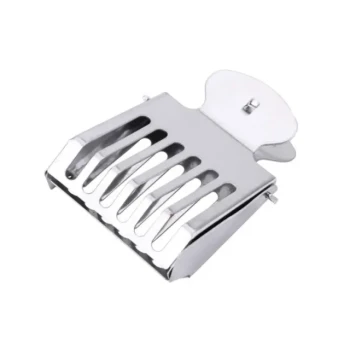
In resistance breeding experiments, control over larval distribution is paramount. The queen excluder utilizes a precise grid aperture that is impassable for the larger queen bee.
This forces the queen to remain in the lower segment of the hive. Consequently, her egg-laying activity is strictly limited to the bottom frames, preventing the introduction of unintended brood into the experimental area.
Enabling Unrestricted Worker Mobility
While the queen is restricted, the excluder is designed to let smaller worker bees pass through the grid without resistance. This ensures that the upper "nursing" colonies remain fully staffed.
Workers can freely travel to the upper experimental combs to feed and maintain the larvae. This flow of resources is critical for maintaining strong colony health in the upper section despite the queen's absence there.
Ensuring Experimental Integrity
Eliminating Nursing Interference
The primary goal of space management in this context is to create a "highly consistent nursing environment." Without an excluder, the queen’s presence in the upper combs would disrupt the nursing routine.
By excluding the queen, researchers ensure that the worker bees focus entirely on the experimental larvae. This prevents distractions caused by the queen’s demand for care or the introduction of new eggs that compete for resources.
Reducing Pheromonal Variables
The presence of a queen introduces potent pheromones that dictate colony behavior. In a breeding experiment, these pheromones can act as an uncontrolled variable.
The primary reference notes that the excluder manages space to minimize "interference from... pheromones." This spatial separation helps standardize the chemical environment in the upper box, ensuring that results are due to the breeding line's genetics, not proximity to the queen.
Common Pitfalls to Avoid
Neglecting Hardware Standardization
Space management relies on a perfect seal. As noted in the supplementary references, "standardized beehives and frames" are essential to eliminate micro-climatic fluctuations.
If the excluder does not fit the hive dimensions perfectly, the "physical filtration" fails. A single gap allows the queen to bypass the grid, instantly compromising the purity of the upper experimental zone.
Overlooking Colony Strength
While the excluder manages space, it does not manage population. Researchers must still "uniformly regulate colony strength" within the defined spaces.
If the lower chamber is too crowded, swarming impulses may arise; if the upper chamber is under-populated, experimental larvae will suffer. The excluder defines the space, but the researcher must manage the density.
Making the Right Choice for Your Goal
To apply these principles effectively to your breeding program, consider your specific objectives:
- If your primary focus is data purity: Prioritize a high-quality excluder to guarantee zero queen access to the upper combs, ensuring the age and lineage of all larvae are known.
- If your primary focus is environmental consistency: Ensure your excluders are paired with standardized hive bodies to eliminate hardware variables that could skew comparative results between resistant and control groups.
By converting a chaotic natural colony into a structured dual-zone system, the queen excluder provides the baseline stability required for rigorous scientific breeding.
Summary Table:
| Feature | Mechanism | Benefit for Breeding Experiments |
|---|---|---|
| Physical Filtration | Precise grid size (impassable for queens) | Confines egg-laying to specific chambers; prevents brood mixing. |
| Worker Access | Unrestricted worker mobility | Ensures larvae receive continuous care and resources from nurse bees. |
| Pheromone Control | Spatial separation of the queen | Standardizes the chemical environment; reduces behavioral variables. |
| Nursing Focus | Isolated upper environment | Creates a stable zone for experimental larvae without queen interference. |
Elevate Your Breeding Precision with HONESTBEE
At HONESTBEE, we understand that scientific breeding requires uncompromising hardware. We cater to commercial apiaries and distributors with a comprehensive wholesale offering designed for professional-grade success.
Our specialized beekeeping tools and equipment—ranging from precision-engineered queen excluders to standardized hive-making and honey-filling machinery—ensure your operations maintain the environmental consistency necessary for rigorous resistance breeding.
Partner with HONESTBEE to scale your apiary's efficiency and integrity. Contact our team today to explore our wholesale solutions and essential industry consumables tailored to your specific needs.
References
- José D. Villa, Jeffrey W. Harris. Selecting honeybees for worker brood that reduces the reproduction of Varroa destructor. DOI: 10.1007/s13592-016-0433-y
This article is also based on technical information from HonestBee Knowledge Base .
Related Products
- High Performance Plastic Queen Excluder for Beekeeping and Apiary Management
- Lightweight Durable Plastic Queen Excluder Scraper for Beekeeping
- Premium Wood Framed Metal Wire Queen Bee Excluder
- Professional Plastic Queen Excluder for Modern Beekeeping
- Metal Queen Bee Excluder for Beekeeping
People Also Ask
- What are the characteristics of a plastic queen excluder? Key Benefits for Cost-Effective Beekeeping
- What are the operational and cost advantages of using plastic queen excluders over metal or wire excluders in commercial hive management? Discover how they reduce labor, prevent wing damage, and lower total costs.
- What types of queen excluders are available for beekeepers? Choose the Right Tool for Your Hive
- Why are standardized hive frames and queen excluders essential for maintaining honey purity and quality? Scale Your Purity
- Do plastic queen excluders work? A Cost-Effective Solution for Modern Apiaries