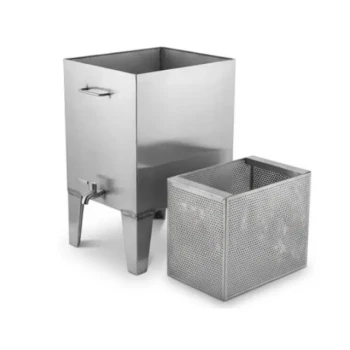
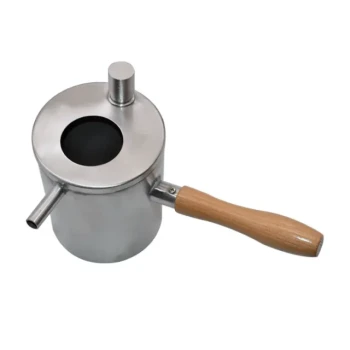
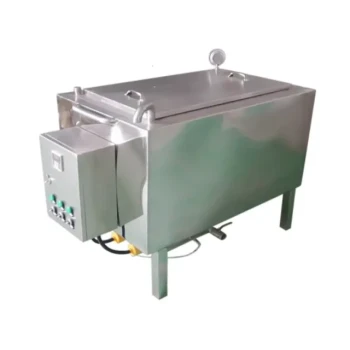
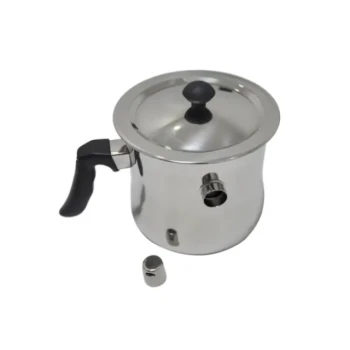
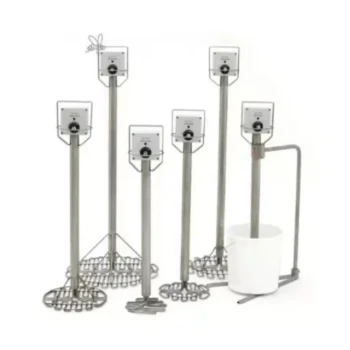
Steam wax melters achieve high efficiency through a specialized direct heat exchange process. Water in a bottom reservoir is heated to generate high-temperature steam, which rises through a built-in metal grid to permeate the raw wax blocks. This combination of intense heat and humidity rapidly breaks down the honeycomb structure, significantly shortening melting times compared to dry heat methods.
By leveraging the thermal properties of steam, these melters maintain a high-humidity environment that accelerates the separation of wax from residue. This process transforms beeswax extraction from a slow, weather-dependent task into a fast, consistent cycle suitable for industrial-scale production.
The Mechanics of Steam Efficiency
Rapid Structural Breakdown
The core efficiency of a steam melter lies in how it attacks the honeycomb structure. Steam rises from the boiling water below and acts directly on the raw wax.
The humid, high-temperature environment softens and degrades the honeycomb integrity much faster than dry air. This allows the wax to liquefy and separate from impurities almost immediately upon contact.
Pressure-Assisted Extraction
Beyond simple heating, the physics of steam generation plays a role in speed. The steam pressure built up within the vessel accelerates the extraction of liquid wax.
This pressure forces the wax through the filtration layers more effectively than gravity alone. This ensures a higher yield of wax is recovered from the comb residue (slumgum) in a shorter period.
Optimized Heat Transfer
Steam carries a high amount of thermal energy which transfers efficiently to the wax surface. The design often includes a perforated metal grid or basket that holds the frames or raw wax.
This setup maximizes the surface area exposed to the steam. As the steam condenses on the cooler wax, it releases latent heat, melting the wax efficiently while the water drains away.
Operational Advantages for Industry
High-Volume Throughput
Unlike methods that rely on passive heating, steam melters are designed for fast-cycle production. The active generation of steam allows for continuous or rapid-batch processing.
Operators can process large quantities of frames or raw wax blocks in quick succession. This makes the technology ideal for commercial operations where time is a critical resource.
Consistency and Independence
Industrial production requires reliability that cannot depend on environmental factors. Steam melters operate independently of sunlight or ambient air temperature.
While solar melters are cost-effective, they are slow and weather-dependent. Steam systems provide the consistent thermal output required to meet strict production schedules regardless of the season.
Understanding the Trade-offs
Operational Costs and Complexity
While steam melters are superior in speed, they require a fuel source (electricity, gas, or wood) to boil the water. This creates an operational cost that passive methods, like solar melters, do not have.
Safety and Monitoring
The generation of steam and pressure requires careful monitoring to prevent accidents. Unlike a passive box sitting in the sun, a steam system is an active industrial appliance.
Operators must ensure water levels are maintained to generate steam and prevent dry burning. However, modern enclosed metal designs generally reduce fire risks compared to open-flame processing.
Making the Right Choice for Your Goal
To select the best melting method for your specific needs, consider the following key factors:
- If your primary focus is Speed and Volume: Choose a steam wax melter. It offers the fastest cycle times and high reliability for large-scale production regardless of weather.
- If your primary focus is Low Operational Cost: Choose a solar wax melter. It is energy-free and environmentally friendly, though significantly slower and dependent on sunlight.
- If your primary focus is Final Purity: Ensure your process includes multi-stage filtration. Regardless of the melting method, utilizing fine filtration or a settling tank is critical for removing biological residues to meet cosmetic or food-grade standards.
Ultimately, the steam wax melter is the definitive tool for producers who need to convert raw honeycomb into marketable wax with maximum speed and reliability.
Summary Table:
| Feature | Steam Wax Melter | Solar Wax Melter |
|---|---|---|
| Processing Speed | Fast (Active Heating) | Slow (Passive Heating) |
| Weather Dependency | Independent (All-season) | Highly Dependent (Sunny only) |
| Production Volume | Industrial / Large Scale | Hobbyist / Small Scale |
| Energy Source | Electricity, Gas, or Wood | Solar Energy (Free) |
| Core Advantage | High throughput & consistency | Zero operational cost |
Scale Your Beeswax Production with HONESTBEE
At HONESTBEE, we specialize in empowering commercial apiaries and distributors with the heavy-duty machinery required for global competitiveness. Our comprehensive wholesale range includes industrial-grade steam wax melters, honey-filling machines, and specialized hive-making equipment designed for maximum durability and throughput.
Whether you are upgrading your extraction facility or sourcing premium beekeeping tools and consumables for distribution, our team provides the technical expertise and hardware you need to thrive. Contact us today to optimize your production line and discover the HONESTBEE advantage.
References
- Natalia DEMYANENKO. Technological means for the extraction and processing of wax in the exposition of the Museum of the history of beekeeping in the Middle Dnieper region of the National Historical and Ethnographic Reserve "Pereyaslav". DOI: 10.31073/istnauka202001-09
This article is also based on technical information from HonestBee Knowledge Base .
Related Products
- Steam Beeswax Melter Wax Warmer for Wax Processing
- Professional Stainless Steel Wax Melter for Beekeeping and Crafts
- Electric Commercial Beeswax Melter for Factory Use
- Beeswax Melter for Candle Making Honey Bee Wax Melter
- Solar Beeswax Melter Easy Solar Wax Melter for Beeswax
People Also Ask
- How does a steam wax melter work? A Fast, Efficient Method for High-Quality Wax
- How does a professional steam wax melter optimize the recovery of beeswax? Maximize Yield & Hygiene for Your Apiary
- What are the steps to use a steam wax melter? Master Safe & Efficient Wax Rendering
- How do steam wax melters function in the disinfection of apiary equipment? Achieve Chemical-Free Organic Sterilization
- How do you operate a steam wax melter? Master Efficient Wax Extraction and Frame Sterilization