In a commercial apiary, hive paint is a management tool—not merely a finish. Distinctive colors and specialized protective coatings help returning bees identify their own hive, reducing drifting between closely spaced colonies. When combined with standardized equipment and a deliberate hive layout, color coding improves colony separation, inspection accuracy, disease-control practices, and day-to-day logistics.
Core takeaway: Color-coded hive hardware creates visual landmarks that support bee orientation and operational control. It is most effective when used as part of a complete layout system that also includes spacing, row design, standardized equipment, and consistent maintenance.
Why Color Coding Matters in Large Apiaries
It supports accurate bee orientation
During their third week of adult life, house bees begin making short orientation flights before becoming foragers. These flights help them learn the location and visual appearance of their home hive.
Distinctive hive colors, painted entrances, and contrasting hardware provide additional visual cues. They make neighboring colonies easier to distinguish when many hives are arranged in dense rows or transported to the same production site.
It reduces drifting between colonies
Bee drifting occurs when workers return to the wrong hive. The risk increases when adjacent colonies look identical or are positioned in repetitive, tightly packed patterns.
Color variation does not eliminate drifting, but it can reduce orientation errors. Keeping bees in their designated colonies helps maintain more balanced worker populations and reduces opportunities for cross-colony disease transmission.
It protects operational records
Accurate hive identity is essential for commercial decisions. If bees move between colonies, measurements such as colony weight, population strength, treatment response, or honey production may no longer accurately represent the hive being monitored.
Consistent color coding therefore supports more reliable inspection records and production data. This is particularly important for commercial trials, breeding programs, and operations comparing different management methods.
How Coatings Improve Apiary Layout Management
They create a visual map of the apiary
A color-coded layout allows operators to identify hive groups quickly. Different colors can distinguish rows, yards, production units, queen-rearing groups, experimental colonies, or transport batches.
This turns the apiary into a more readable system. Workers can locate equipment and colonies faster without relying solely on small labels that may be obscured by dirt, weather, bees, or vegetation.
They complement dispersed and multi-row arrangements
Large apiaries often use multi-row or dispersed layouts to reduce repetitive visual patterns and limit flight errors. Distinctive hive colors and entrance markings reinforce this spatial separation.
The strongest result comes from combining color, spacing, orientation, and row arrangement. Paint should not be treated as a substitute for thoughtful placement.
They support standardized commercial hardware
Commercial beekeeping depends on standardized boxes, frames, bottom boards, covers, pallets, and transport equipment. Protective coatings help preserve these components while color coding helps identify their operational role or location.
Standardization makes mechanical handling and long-distance transport more efficient. A consistent color system adds an information layer without changing the physical dimensions or handling process.
How Specialized Paint Protects the Equipment
It helps extend hardware service life
Hive equipment is exposed to rain, sunlight, humidity, temperature changes, and frequent handling. A suitable exterior coating helps protect wooden or compatible hive surfaces from environmental deterioration.
Longer-lasting equipment can reduce replacement frequency and help maintain uniform hive dimensions across a commercial fleet. That consistency matters when boxes, frames, and transport systems must work together efficiently.
It supports faster inspection and maintenance
Clearly marked equipment makes it easier to identify damaged, misplaced, or incorrectly assembled components. Staff can recognize hive groups and hardware categories at a glance during inspections, loading, unloading, and maintenance.
This reduces avoidable handling time, especially when large numbers of colonies must be serviced within a limited operating window.
It should be selected for apiary use
The coating must be appropriate for beehive exteriors and fully cured according to the manufacturer’s instructions before exposure to the colony. Operators should also ensure that the product does not obstruct entrances, contaminate hive-contact surfaces, or create a harmful odor inside the hive.
For distributors and resellers, product specifications, application guidance, color consistency, and dependable availability are as important as the visual finish itself.
Building a Practical Color-Coding System
Assign colors to a clear operational purpose
A color system should communicate something specific. Possible categories include:
- Apiary or yard identification
- Row or block identification
- Colony type or breeding group
- Production versus experimental colonies
- Transport or inspection priority
The coding scheme should be simple enough for every worker to understand. Excessive color variation can create confusion rather than improve control.
Mark entrances as well as hive bodies
Painting or marking entrances provides bees with a stronger local visual reference than relying only on the upper hive body. Different entrance colors, shapes, or contrasting panels can help distinguish adjacent colonies.
Human-readable labels should still be used for traceability. Visual coding helps rapid recognition, while written or digital records provide the definitive identity.
Keep the system consistent across sites
A color that means “production colony” at one site should not mean “breeding colony” at another unless the distinction is clearly documented. Consistency is especially important when colonies, pallets, and hardware move between yards.
Distributors serving commercial operators can add value by supplying coordinated color ranges, compatible coatings, labels, and standardized replacement components as one procurement package.
Understanding the Trade-offs
Paint alone cannot prevent drifting
Bees also use location, odor, landmarks, hive orientation, and surrounding geometry to identify their colony. If hives are packed too closely together or arranged in repetitive rows, color coding may provide insufficient separation.
Operators should combine coatings with suitable spacing, varied orientations, dispersed layouts, and clearly differentiated entrances.
Inconsistent maintenance weakens the system
Faded, peeling, or mismatched colors reduce the reliability of the visual code. A replacement box with the wrong color can also undermine colony or row identification.
Commercial operations should define a repainting schedule and keep records of approved colors and coating products. Maintaining color consistency is an operational responsibility, not a one-time purchasing decision.
Poor product selection creates avoidable risks
A coating that is unsuitable for hive exteriors may deteriorate quickly or create application and curing problems. Products should be evaluated for durability, intended use, application requirements, and compatibility with the hive material.
Color coding also adds inventory complexity. Maintaining several coating colors can increase stock-keeping requirements, so the benefits should justify the number of categories used.
Visual identification is not a substitute for traceability
Color can help workers find the right equipment quickly, but it should not replace hive numbers, barcodes, digital records, or inspection logs. Reliable commercial management requires both fast visual recognition and auditable identification.
Making the Right Choice for Your Goal
Use coatings as part of a complete apiary-management and sourcing strategy:
- If your primary focus is reducing bee drifting: Combine distinctive hive and entrance colors with appropriate spacing, varied orientations, and dispersed multi-row layouts.
- If your primary focus is disease-risk management: Use color coding to keep colonies and management groups visually distinct, while maintaining separate records and applying appropriate biosecurity procedures.
- If your primary focus is operational efficiency: Standardize hive hardware and assign colors to yards, rows, or production groups so staff can identify equipment quickly during inspections and transport.
- If your primary focus is equipment durability: Select suitable protective coatings, follow curing instructions, and maintain a planned repainting program for the entire hive fleet.
- If your primary focus is commercial sourcing: Work with a supplier able to provide compatible paints, standardized hardware, labeling solutions, responsive technical support, and reliable fulfillment across repeat orders.
A well-designed color system turns hive coatings into a practical visual infrastructure for safer, more traceable, and more efficient commercial beekeeping.
Summary Table:
| Benefit | Description |
|---|---|
| Bee Orientation | Distinctive colors provide visual landmarks for returning bees, reducing disorientation. |
| Drift Reduction | Color variation helps minimize bees entering neighboring hives, balancing colony strength. |
| Operational Efficiency | Quick identification of hives, rows, or groups speeds up inspections and maintenance. |
| Equipment Protection | Specialized coatings extend hardware lifespan, reducing replacement costs. |
| Data Accuracy | Color coding supports reliable records by minimizing colony mixing. |
Ready to optimize your commercial apiary with color-coded hive coatings and premium beekeeping equipment? At HONESTBEE, we offer a comprehensive range of paints, tools, and machinery tailored for commercial operations. Benefit from our rapid response, expert guidance, and ultra-fast delivery. Contact us today to discuss your needs and discover how we can enhance your apiary management.
Related Products
- HONESTBEE Premium Italian Style Hive Tool with Hardwood Handle
- Precision Stainless Steel Frame Cleaner for Hive Grooves and Corners
- Plastic Bee Frame Beekeeping Hive Frames for Wholesale
- Yellow Plastic Bucket Pail Perch for Beekeeping
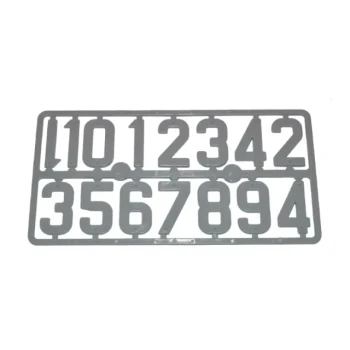
- Durable Plastic Hive Number Set for Beekeeping
People Also Ask
- What distinguishes an Italian hive tool? Master High-Leverage Beekeeping with This Extra-Long Design
- Which intervention materials and management tools are used in commercial apiaries? Protect Your Bees from Pesticides
- How do hive tools and queen rearing equipment facilitate the bee colony splitting process? Restore Your Apiary Faster
- What are the common construction features of hive tools? Key Insights for Superior Beekeeping Efficiency
- What are the different types of hive tools available? Choose the Right Tool for Your Apiary