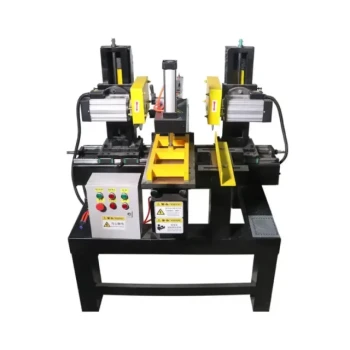
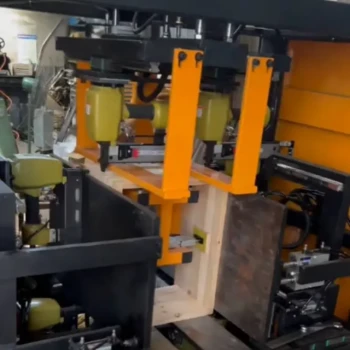
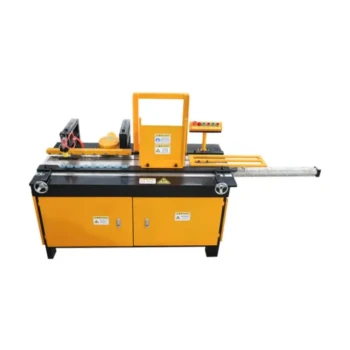
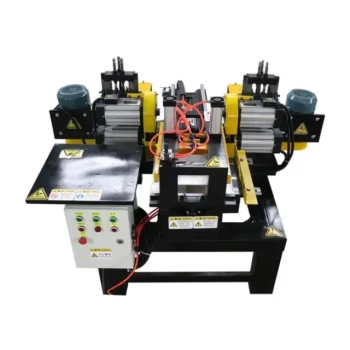
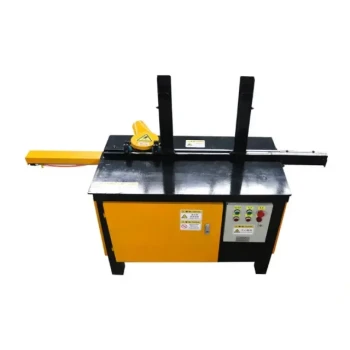
High-precision hive-making machinery plays a pivotal role in honeybee social immunity by producing standardized, accurately sized honeycomb components that serve as a robust physical barrier against disease. By creating a biologically optimized nest environment, these machines enable the superorganism to effectively execute natural hygiene behaviors—such as nest cleaning and pathogen avoidance—thereby reducing the efficiency of internal disease transmission.
Precision manufacturing acts as a force multiplier for the colony's natural defenses; by providing a mathematically consistent infrastructure, it allows the bees to focus energy on hygiene and defense rather than compensating for structural irregularities.
The Intersection of Engineering and Biological Defense
Creating a Robust Physical Barrier
The primary contribution of high-precision machinery is the creation of standardized honeycomb components. These structures provide the physical foundation required for the colony to maintain its health.
When hive components are manufactured with strict accuracy, they act as a reliable physical barrier. This consistency is essential for the "superorganism"—the colony functioning as a single unit—to maintain functional redundancy and resilience against external threats.
Facilitating Natural Hygiene Behaviors
A precisely manufactured nest environment directly supports the bees' ability to clean themselves and their home.
Irregularities in a hive can impede the removal of waste or dead brood. By ensuring the internal layout is exact, machinery enables bees to execute pathogen avoidance and nest cleaning without obstruction. This optimization allows the colony to maintain a higher standard of environmental control, which is the first line of defense against infection.
Enhancing Propolis Application
The accuracy of frame spacing provided by automated equipment allows worker bees to apply propolis layers uniformly.
Propolis is a resinous mixture that functions as the colony's "external immune system." When the internal architecture is precise, bees can coat surfaces evenly, creating an effective natural defense barrier. This reduces the risk of transmitting dangerous pathogens, such as American Foulbrood, within the high-density environment of the hive.
Standardization and Species Specificity
Optimizing for Biological Requirements
Industrial-grade machinery does not just produce generic boxes; it allows for processing that aligns with the specific biological characteristics of distinct honeybee species.
For example, machinery can be calibrated to suit the requirements of the Caucasian Gray Bee. By matching the physical structure of the hive to the specific physiological potential of the bee, the machinery ensures the colony operates at peak efficiency, rather than struggling against an unnatural environment.
Reducing Internal Transmission Efficiency
The ultimate goal of social immunity is to stop the spread of disease from one bee to another.
By combining standardized spacing with optimized environmental control, precision machinery reduces the efficiency of internal pathogen transmission. The layout dictates interaction patterns; a predictable layout prevents the overcrowding or bottlenecks that often facilitate the rapid spread of contagion.
Critical Considerations: The Importance of Alignment
The Risk of Biological Misalignment
While precision is powerful, it must be strictly aligned with the biological reality of the specific bee species being housed.
The trade-off lies in the configuration: high-precision machinery is only effective if the "standard" being produced is biologically correct. If the machine creates a precise but biologically inaccurate frame spacing, it could hinder rather than help the bees' hygiene behaviors.
Balancing Standardization with Adaptability
Beekeepers must ensure that the drive for "high-volume supply" and "efficient management" does not override the biological needs of the colony.
Industrial standardization facilitates large-scale beekeeping and export, but it relies on the machinery being tuned to the exact natural requirements of the bees. Precision without biological empathy leads to colony stress.
Making the Right Choice for Your Goal
To leverage machinery for maximum colony health, assess your objectives:
- If your primary focus is Disease Prevention: Prioritize machinery that guarantees precise frame spacing, as this enables the uniform application of propolis barriers against pathogens like American Foulbrood.
- If your primary focus is Colony Efficiency: Ensure your manufacturing equipment is calibrated to the specific biological characteristics of your bee species (e.g., Caucasian Gray Bee) to maximize physiological potential.
Summary: High-precision machinery transforms the hive from a simple shelter into a biologically integrated defense system, empowering the superorganism to suppress pathogens through enhanced hygiene and structural consistency.
Summary Table:
| Feature of Precision Machinery | Biological Impact on Superorganism | Main Benefit |
|---|---|---|
| Standardized Components | Creates a robust, predictable physical barrier | Higher colony resilience |
| Exact Frame Spacing | Facilitates uniform propolis application | Reduced pathogen transmission |
| Optimized Layout | Enables efficient nest cleaning behaviors | Lower risk of American Foulbrood |
| Species Calibration | Matches specific biological requirements | Maximized physiological potential |
Elevate Your Apiary’s Health with HONESTBEE Precision Engineering
At HONESTBEE, we understand that a hive is more than just a box—it is a critical defense system for your colonies. Our high-precision hive-making and honey-filling machinery are designed to align with the biological needs of honeybee superorganisms, ensuring your operations achieve maximum efficiency and disease resistance.
How HONESTBEE adds value to your business:
- For Commercial Apiaries: Increase social immunity and reduce colony loss with biologically optimized hive hardware.
- For Distributors: Expand your portfolio with a full spectrum of industry-leading beekeeping tools, machinery, and essential consumables.
- Comprehensive Solutions: From specialized manufacturing equipment to honey-themed cultural merchandise, we provide the tools you need to lead the market.
Ready to optimize your production and protect your bees?
Contact HONESTBEE Today to explore our wholesale offerings and industrial machinery solutions.
References
- Christopher D. Pull, Dino P. McMahon. Superorganism Immunity: A Major Transition in Immune System Evolution. DOI: 10.3389/fevo.2020.00186
This article is also based on technical information from HonestBee Knowledge Base .
Related Products
- High-Efficiency Pneumatic Bee Hive Making Machine for Rapid Box Assembly
- Beehive Machine Double End Saw for Precision Hive Component Manufacturing
- Automatic High-Speed Bee Hive Box Stapling Machine
- HONESTBEE Professional Long Handled Hive Tool with Precision Cutting Blade
- Beehive Handle and Frame Rest Cutting Machine: Your Specialized Hive Machine
People Also Ask
- How does the introduction of professional beehive-making machinery benefit sustainable beekeeping? Scale Your Apiary
- Why is specialized beehive-making machinery critical for low-defense breeding? Enhance Selection with Precision Tools
- How does the introduction of specialized beehive making machinery contribute to increasing the scale of regional beekeeping industries?
- What is the importance of specialized beehive making machinery in a circular bio-economy? Build Local Sustainability
- Why is specialized beehive-making machinery essential? Scale Your Apiary with Precision Industrial Standards