High-precision weighing equipment serves as the fundamental quantitative tool for objectively assessing the biological and economic status of a honeybee colony. By measuring the total weight variance between a hive's initial placement and its removal from the field, these devices provide a concrete dataset representing honey yield, population density, and brood development, effectively translating biological activity into actionable metrics.
Weight gain is not merely a measure of production; it is a holistic indicator of colony health and environmental interaction. Precise weighing allows for the scientific correlation of external pressures—such as predation or resource scarcity—with the colony’s actual economic performance.
The Role of Weight in Colony Assessment
Quantifying Biological Development
The primary function of high-precision weighing is to move beyond visual inspection. By recording the total weight change, you are not just measuring honey; you are measuring the biomass of the colony.
This data acts as a reliable proxy for bee population size and brood development. A healthy, growing colony increases in mass not only through food storage but through the physical expansion of the workforce and developing larvae.
Measuring Economic Output
For commercial operations, weight acts as the definitive ledger of productivity. Industrial-grade sensors or scales measure the specific weight of harvested honey supers.
This provides direct output data, allowing you to calculate the precise labor productivity of a specific colony. It eliminates guesswork regarding which genetic lines or management protocols are yielding the highest return on investment.
Analyzing Environmental and Management Impacts
Correlating Environment with Performance
Weight data allows you to determine how the environment impacts the hive. By monitoring weight fluctuations, you can assess the richness of landscape resources, such as specific pollination environments like blueberry or cranberry orchards.
Furthermore, this data highlights negative impacts. You can scientifically determine how external factors like predation pressure directly reduce the economic performance of a colony by correlating weight loss or stagnation with specific environmental threats.
Optimizing Management Protocols
Comparative weighing enables the evaluation of different beekeeping strategies. By comparing yield data between control groups and experimental groups (e.g., hives with rough surfaces vs. smooth), you can identify trade-offs.
For example, you can quantitatively assess if encouraging activities like propolis collection results in a statistically significant drop in honey production. This ensures that management decisions are based on net economic gain rather than theoretical benefits.
Tracking Nectar Flow Dynamics
Continuous monitoring systems track real-time changes in hive mass. This data is critical for understanding nectar flow in relation to meteorological factors.
By observing weight gain patterns during specific weather conditions (e.g., sunny days above 16°C), you can identify peak flow periods. This allows for the optimization of harvest schedules, ensuring honey is collected when reserves are at their maximum.
Understanding the Variables and Limitations
The Impact of Moisture and Weather
It is critical to interpret weight data within the context of weather. Electronic hive scales often track daily percentage changes, but this includes moisture evaporation.
A drop in weight may not indicate resource loss, but rather the necessary evaporation of nectar to create cured honey. Ignoring meteorological factors can lead to misinterpretation of colony health or nectar flow cessation.
The Necessity of Standardization
Weight data is only as good as the baseline. Accurate evaluation requires standardized beehive equipment and metering tools.
If the physical baseline of the hive bodies or frames varies, the comparative data becomes unreliable. To accurately identify superior genetic stock or colony strength, the physical variables of the hive hardware must be uniform across the apiary.
Applying This to Your Operations
If your primary focus is Commercial Production: Focus on measuring the total weight of harvested supers to verify the economic impact of your management protocols and identify the most efficient processes.
If your primary focus is Colony Health and Research: Utilize continuous monitoring to track daily mass changes, using the data to correlate brood development and population size with environmental factors and predation pressures.
If your primary focus is Resource Management: Use real-time weight tracking to map nectar flow dynamics against weather patterns, allowing you to time your harvests during peak production windows.
High-precision weighing transforms the complex biology of a bee colony into a clear, measurable metric, giving you the control to optimize both biological health and economic yield.
Summary Table:
| Evaluation Metric | Role of High-Precision Weighing | Impact on Productivity |
|---|---|---|
| Biological Growth | Tracks total biomass, including bee population and brood | Predicts colony strength and future labor force |
| Economic Output | Measures exact weight of harvested honey supers | Quantifies ROI per hive and management protocol |
| Environmental Impact | Correlates weight changes with nectar flow and predation | Optimizes site selection and colony protection |
| Nectar Dynamics | Monitors real-time mass changes and moisture evaporation | Identifies peak harvest windows for maximum yield |
| Process Optimization | Evaluates trade-offs between activities (e.g., propolis vs. honey) | Refines management for net economic gain |
Maximize Your Apiary's Efficiency with HONESTBEE
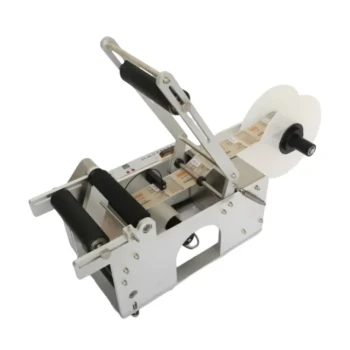
Transition from guesswork to data-driven success. At HONESTBEE, we specialize in empowering commercial apiaries and distributors with the high-precision tools necessary to evaluate and enhance colony productivity. From industrial-grade weighing solutions and automated honey-filling machines to standardized hive-making equipment, our comprehensive wholesale offering covers the full spectrum of modern beekeeping hardware and consumables.
Whether you are scaling your commercial operations or seeking premium equipment for your distribution network, we provide the specialized machinery and honey-themed merchandise to set your brand apart.
Ready to optimize your yield and scale your business?
Contact HONESTBEE Today for a Wholesale Consultation
References
- Aleksandra Łangowska, Piotr Tryjanowski. Mist-Netting of Migrating Bee-Eaters Positively Influences Honey Bee Colony Performance. DOI: 10.2478/jas-2018-0008
This article is also based on technical information from HonestBee Knowledge Base .
Related Products
- Digital Honey Refractometer for Precision Measurement of Optimal Honey Quality
- Precision Honey Refractometer Instrument for Quality Assessment
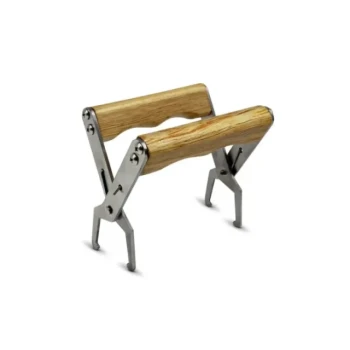
- Premium Frame Grip with Ergonomic Wood Handles
- Heavy Duty 304 Stainless Steel Honey Dipper
- Professional Frame Comb Fork and Lifter for Efficient Handling
People Also Ask
- What role do high-precision refractometers play in determining the maturity and quality of honey? Ensure Honey Purity.
- Do the color and viscosity of honey affect its refractometer reading? Mastering Moisture Measurement Accuracy
- Why is a honey refractometer considered essential for commercial beekeepers? Ensure Honey Quality and Profitability
- What is a honey refractometer? The Essential Tool for Perfect Honey Quality
- How do refractometers ensure technical precision when measuring honey moisture? Secure Quality and Prevent Fermentation