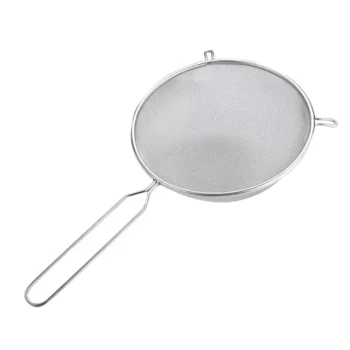
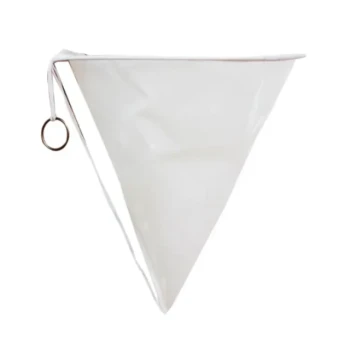
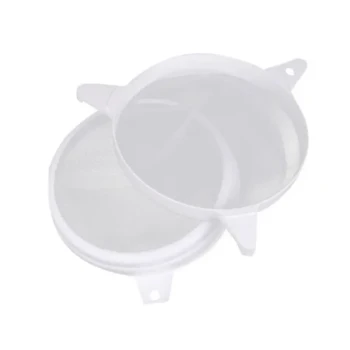
Honey filtering equipment operates primarily through a mechanism of physical interception. During post-harvest processing, the machinery forces raw honey through a series of screens or meshes to mechanically separate solid impurities—such as beeswax residue, bee parts, and debris—from the liquid honey. This process ensures the final product meets commercial clarity standards while retaining the honey's natural flavor profile.
By employing progressively finer mesh screens and controlled temperature regulation, filtration systems purify raw honey of physical debris and air bubbles, transforming a rough harvest into a market-ready product without compromising its nutritional integrity.
The Mechanics of Filtration
Progressive Screening
The core function of the equipment is the use of sequential barriers. Honey flows through a series of filters, starting with a coarse mesh to catch large particles like wax cappings and bee legs. It then passes through finer screens to capture smaller sediment, ensuring a smooth texture.
Gravity and Pressure Systems
In bulk processing, gravity is often utilized to move honey through concentric sieves, where the coarsest mesh is on the inside and the finest on the outside. More advanced machines may incorporate pressure systems. These systems force the honey through the filters at a controlled rate, significantly improving processing speed and efficiency compared to gravity alone.
Thermal Regulation
To facilitate the movement of honey through fine filters, the equipment often employs a heating element. The honey is warmed—typically to around 45-50° C in bulk processing—to liquefy any existing sugar crystals and lower the viscosity. This heating step is crucial for preventing clogging and ensuring a continuous, efficient flow.
Ensuring Commercial Quality
Removal of Air Bubbles
Beyond solid debris, the primary reference notes that effective filtering equipment is designed to remove air bubbles. Air trapped during the extraction process can cause cloudiness and affect the aesthetic appeal of the bottled product. Proper filtration yields the crystal-clear look expected by consumers.
Crystal Management
Filtration plays a vital role in shelf stability. By removing microscopic particles and existing sugar crystals, the equipment removes the "seeds" that trigger rapid crystallization. This keeps the honey liquid and clear for a longer period, enhancing its presentation on retail shelves.
Standardization of Product
Automated and specialized processing equipment ensures that every batch meets specific physical and chemical indicators. This standardization prevents secondary contamination that can occur with manual handling, securing the product's premium value and market competitiveness.
Understanding the Trade-offs
The Risk of Overheating
While heating aids filtration, precise control is non-negotiable. Excessive heat can degrade the natural enzymes and volatile flavor compounds that give honey its unique character. Equipment must be monitored to ensure the temperature facilitates flow without "cooking" the honey.
Filtration vs. Ultra-Filtration
There is a balance between clarity and biological value. Standard filtration removes debris but leaves beneficial pollen. However, aggressive ultra-filtration removes pollen entirely; while this creates a product that never crystallizes, it may strip the honey of the distinct characteristics that identify its floral source and nutritional value.
Making the Right Choice for Your Goal
Selecting the right filtration intensity depends heavily on your intended end-market.
- If your primary focus is mass-market retail: Prioritize systems with fine mesh and pressure capabilities to ensure maximum clarity, shelf-life stability, and a polished appearance.
- If your primary focus is artisanal or "raw" sales: Utilize gravity-fed, coarse filtration systems with minimal heating to maximize the retention of pollen, enzymes, and the specific flavor nuances of your package bee colonies.
Efficient filtration is the bridge between a raw agricultural harvest and a trusted, valuable consumer product.
Summary Table:
| Feature | Mechanism | Benefit to Honey Quality |
|---|---|---|
| Progressive Screening | Multi-stage mesh barriers | Removes wax, bee parts, and sediment |
| Pressure/Gravity Systems | Controlled flow management | Increases throughput and processing speed |
| Thermal Regulation | Controlled warming (45-50°C) | Reduces viscosity and prevents filter clogging |
| Crystal Management | Removal of seed particles | Extends shelf life and liquid clarity |
| De-aeration | Air bubble removal | Enhances aesthetic appeal and transparency |
Scale Your Honey Production with HONESTBEE Professional Equipment
Transform your raw harvest into a premium, market-ready product with HONESTBEE. We specialize in supporting commercial apiaries and distributors by providing the industry's most reliable honey-filling machines, specialized filtration hardware, and a complete range of beekeeping tools. Whether you are looking to automate your processing line or source high-quality consumables for your distribution network, our expertise ensures your honey maintains its nutritional integrity and flavor while meeting the highest commercial standards.
Ready to optimize your yield and enhance your brand's market competitiveness?
Contact HONESTBEE Today to discuss our wholesale machinery and equipment solutions tailored to your specific operations.
References
- Ali TAHİROV, Yu. Rustamli. The Impact of Pack Bees on Honey Production. DOI: 10.33619/2414-2948/117/47
This article is also based on technical information from HonestBee Knowledge Base .
Related Products
- Electric Double Wall Honey Filtering Machine Purifier Equipment for Honey Processing Plant
- Professional Stainless Steel Honey Filtering Machine with Water Bath Heating for Beekeeping
- 0.5T Capacity Honey Dehumidifier Dryer with Vacuum Heating and Thickening Filtering Machine
- Honey Concentrating and Filtering Dehumidifier Machine 2T Capacity for Honey
- Professional Stainless Steel Honey Filter with Support Handle
People Also Ask
- What is the process of filtering honey? A Guide to Clean, Pure, and Market-Ready Honey
- What types of equipment are used in honey filtering? Build an Efficient System for Pure, Marketable Honey
- What is the overall importance of using the right equipment in honey filtering? Boost Quality & Marketability
- Why is filtering important in honey processing, and what equipment is used? A Guide to Quality & Efficiency
- How should honey filtering equipment be properly maintained? Extend Equipment Life & Protect Honey Purity