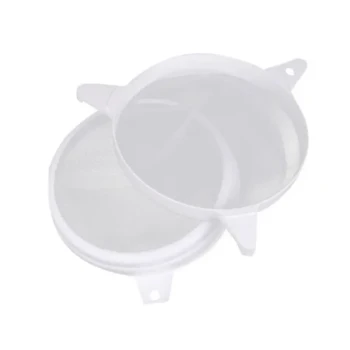
Industrial-grade filtration and purification equipment directly dictates market competitiveness by bridging the gap between raw agricultural harvests and retail-ready consumer products. By utilizing multi-stage physical filtration and vacuum dehydration, this machinery removes impurities and optimizes moisture content to prevent fermentation. Crucially, it achieves these physical improvements without degrading the honey’s natural nutrients, ensuring the product meets the stringent visual and stability standards required by high-end retailers.
The deployment of professional processing technology allows producers to transition from variable, hobbyist-level output to standardized, premium goods. It secures market position by ensuring shelf stability and visual clarity while strictly maintaining the nutritional integrity required for international certification.
Enhancing Sensory Appeal and Consumer Trust
Achieving Visual Clarity
Retail consumers associate transparency with purity. Industrial filtration removes suspended solids—such as wax debris, bee parts, and air bubbles—that naturally occur during harvesting. This creates the crystal-clear aesthetic necessary to compete with established imported brands on supermarket shelves.
Refining Texture and Flavor Profile
Raw honey can retain smoke odors from the harvesting process or grainy textures from foreign particles. Advanced filtration eliminates these "off-flavors" and inconsistencies. The result is a smooth, palatable product that appeals to a broader consumer base beyond niche raw honey enthusiasts.
Ensuring Stability and Scalability
Eliminating the Risk of Spoilage
The primary driver of honey spoilage is excess moisture, which leads to fermentation. Industrial equipment integrates vacuum dehydration to precisely lower moisture content to safe levels. This mechanical treatment is the only reliable way to guarantee the product will not ferment during long-term storage.
Standardizing for Global Logistics
To compete internationally, honey must withstand the rigors of global shipping without degrading. Standardized processing ensures every batch meets uniform physicochemical indicators. This stability is essential for maintaining quality control across long supply chains and varying climates.
Meeting Rigorous Industry Standards
Guaranteeing Hygiene and Safety
Stainless steel storage and filling systems prevent secondary contamination, a common risk in manual processing. This level of hygiene is non-negotiable for entering premium markets that demand adherence to international food safety protocols.
Enabling Certification and Traceability
High-end equipment supports batch processing, allowing for the physical isolation of specific nectar sources. This capability is critical for producers seeking organic certification, as it prevents cross-contamination between organic and conventional honey, ensuring the traceability required by auditors.
Preserving Nutritional Value
Unlike lower-quality industrial processing that may "cook" the honey, modern high-precision equipment uses controlled temperatures. This preserves active enzymes and natural aromas. This distinction allows producers to market their goods as premium, nutrient-rich products rather than generic sweeteners.
Understanding the Trade-offs
Balancing Clarity with Authenticity
While filtration improves appearance, aggressive over-filtration can strip unique characteristics. Producers must calibrate equipment to remove impurities without removing the pollen that identifies the honey’s geographical origin.
Managing Thermal Sensitivity
Equipment must be operated with precision. While dehydration stops fermentation, improper temperature settings during this process can destroy heat-sensitive enzymes. Competitiveness relies not just on having the machine, but on using it to maintain the biological activity of the honey.
Making the Right Choice for Your Goal
- If your primary focus is Mass Retail and Supermarkets: Prioritize vacuum dehydration and fine filtration to ensure absolute visual clarity and shelf stability that rivals imported competitors.
- If your primary focus is Organic and High-End Export: Focus on equipment with precise temperature controls and batch isolation capabilities to preserve enzymes and ensure traceability.
- If your primary focus is Logistics and Long-Term Storage: Rely on dehydration technologies to standardize moisture content, preventing fermentation losses during transport.
Investing in the right processing infrastructure turns a perishable raw material into a durable, high-value asset.
Summary Table:
| Key Feature | Impact on Competitiveness | Primary Benefit |
|---|---|---|
| Multi-Stage Filtration | Enhances Visual Clarity | Matches premium brand aesthetics for retail |
| Vacuum Dehydration | Prevents Fermentation | Ensures shelf stability and long-distance shipping |
| Precise Temp Control | Preserves Enzymes | Maintains nutritional value and organic integrity |
| Stainless Steel Systems | Guarantees Hygiene | Meets international food safety certifications |
| Batch Isolation | Enables Traceability | Critical for high-end organic and export markets |
Elevate Your Honey Production with HONESTBEE
Transition from raw harvests to premium, retail-ready honey with HONESTBEE. As a dedicated partner to commercial apiaries and global distributors, we provide the full spectrum of industrial-grade machinery—from advanced honey-filling machines to specialized hive-making equipment and essential industry consumables.
Our solutions are designed to help you achieve visual clarity and nutritional integrity, ensuring your honey meets the most stringent international standards. Let us help you scale your business and secure a dominant market position.
Contact HONESTBEE Experts Today
References
- Peter Šedík, Elena Horská. A Comparaison of Beekeeping Sectors between Slovakia and Romania. DOI: 10.15835/buasvmcn-hort:0021
This article is also based on technical information from HonestBee Knowledge Base .
Related Products
- Electric Double Wall Honey Filtering Machine Purifier Equipment for Honey Processing Plant
- Professional Stainless Steel Honey Filtering Machine with Water Bath Heating for Beekeeping
- 0.5T Capacity Honey Dehumidifier Dryer with Vacuum Heating and Thickening Filtering Machine
- Honey Concentrating and Filtering Dehumidifier Machine 2T Capacity for Honey
- Professional Stainless Steel Honey Filter with Support Handle
People Also Ask
- What is the process of filtering honey? A Guide to Clean, Pure, and Market-Ready Honey
- What types of equipment are used in honey filtering? Build an Efficient System for Pure, Marketable Honey
- What is the overall importance of using the right equipment in honey filtering? Boost Quality & Marketability
- What is a potential concern associated with filtering honey? Balancing Clarity and Pollen Preservation
- Why is filtering important in honey processing, and what equipment is used? A Guide to Quality & Efficiency