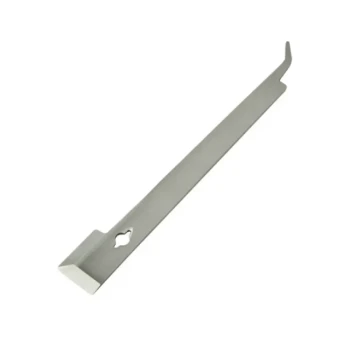
Propolis creates both a maintenance challenge and a secondary-revenue opportunity in Apis mellifera colonies. Bees use the sticky resin to seal cracks, entrances, and internal gaps, which can bind hive bodies, covers, and frames together. As a result, beekeepers need durable hive tools for controlled separation and can use propolis traps to collect a clean, commercially valuable product alongside honey.
The same adhesive behavior that increases equipment wear and inspection effort can become a profitable product stream. A practical apiary program combines heavy-duty, easy-to-clean hive tools with purpose-designed propolis collectors.
How Propolis Changes Hive Maintenance
It binds hive components together
Apis mellifera colonies commonly deposit propolis around hive joints, frame rests, covers, and entrances. Over time, this natural sealant can make supers, inner covers, and frame top-bars difficult to separate.
The bonding can be especially noticeable during routine inspections or after migratory transport, when propolized components may remain tightly fixed together.
It increases the need for stronger hive tools
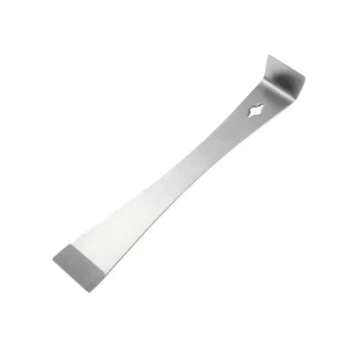
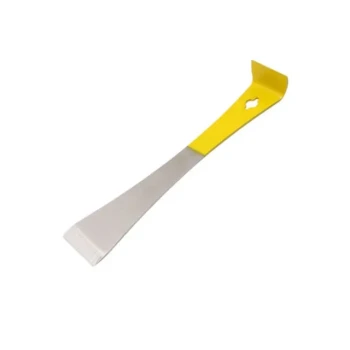
Standard light-duty tools may bend, slip, or damage woodenware when used against heavily propolized joints. Commercial apiaries generally benefit from sturdy hive tools, frame lifters, and pry bars that provide controlled leverage.
The objective is not simply to apply more force. Proper tools should separate components without splitting boxes, crushing frames, or excessively disturbing the colony.
It affects frame handling and equipment design
Propolis can accumulate around frame rests and alter how easily frames are lifted and repositioned. Maintaining accurate frame spacing becomes more important because tight or misaligned components can increase sticking and inspection time.
For distributors and wholesalers, this creates demand for precision-cut woodenware, robust metal tools, and equipment with surfaces that are easier to scrape and clean.
It supports colony protection
Propolis is not merely waste material. Bees use it to seal unwanted gaps, regulate openings, reinforce interior surfaces, and help maintain a stable hive environment.
Removing every trace of propolis is therefore neither practical nor desirable. Maintenance should focus on clearing functional contact points while preserving the colony’s useful sealing behavior.
Turning Propolis into a Commercial Harvest
Propolis can become a secondary hive product
Propolis has commercial value as a raw material for medicinal, personal-care, and cosmetic applications. Heavy-propolizing colonies may therefore produce an additional saleable output beyond honey, beeswax, pollen, or other apiary products.
The opportunity is most attractive when collection is integrated into normal hive management rather than treated as a separate, labor-intensive operation.
Use collector mats and trap grids
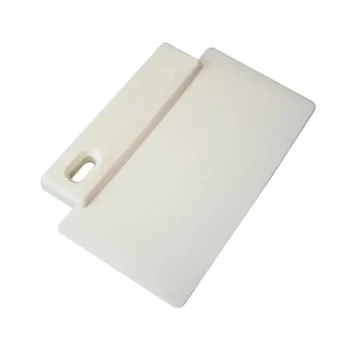
Propolis collection mats, perforated screens, and trap grids can be placed beneath the hive cover or across the top bars. Bees instinctively fill the narrow gaps and perforations with resin as they attempt to seal them.
This method encourages deposition in an accessible location, reducing the need to scrape propolis from frames, covers, and wooden hive joints.
Harvest by chilling the collector
Once a trap is sufficiently coated, it can be removed and chilled or frozen. At low temperatures, propolis becomes hard and brittle, allowing the flexible mat or grid to be flexed or struck so the resin separates more easily.
This approach can produce cleaner material while reducing contamination with beeswax and minimizing damage to hive components.
Build a quality-focused supply chain
Commercial value depends on more than volume. Collection practices should control contamination from wood fragments, paint, metal, beeswax, soil, and protective clothing.
Distributors and B2B resellers can support this market with a coordinated portfolio that includes collector mats, replacement grids, harvesting scrapers, storage materials, and durable hive tools. Reliable availability and fast fulfillment are especially important during seasonal inspection and harvesting windows.
Why This Matters to Commercial Apiaries
It reduces inspection friction
Propolis can make routine hive work slower, particularly in large apiaries where small delays multiply across hundreds or thousands of colonies. Purpose-built tools help operators open equipment more predictably and reduce avoidable damage.
The result is a more efficient workflow for inspections, swarm control, feeding, supering, and honey harvesting.
It adds value without replacing honey production
Propolis collection is best viewed as a secondary yield, not a substitute for core hive products. A properly designed trap can collect resin while leaving the colony’s broader sealing and defensive behavior intact.
This gives apiaries a way to diversify revenue using existing colonies, labor, and transport infrastructure.
It creates repeat-purchase demand
Propolis harvesting generates recurring needs for replacement mats, trap grids, scrapers, storage containers, and cleaning equipment. Hive tools also experience wear from repeated contact with adhesive resin and require periodic replacement or upgrading.
For suppliers, this supports a broader, repeat-order relationship rather than a one-time equipment sale.
Understanding the Trade-offs
Excessive removal can undermine hive function
Propolis contributes to hive sealing and interior hygiene. Overharvesting or aggressively stripping it from functional areas may interfere with the colony’s natural defense and microclimate control.
Collection systems should provide accessible deposition sites rather than forcing operators to remove all propolis from working surfaces.
Heavy-duty tools can still cause damage
A stronger tool does not eliminate the risk of crushed bees, split wood, damaged frame ears, or distorted box joints. Leverage must be applied deliberately, and equipment should be inspected for sharp edges, excessive flex, and poor fit.
Product selection should balance strength, control, ergonomics, and compatibility with the hive system.
Quality varies by colony and location
Propolis composition and production can vary with bee race, colony behavior, available vegetation, and local conditions. Not every apiary will generate the same volume or the same raw-material profile.
Commercial buyers should therefore establish collection, storage, testing, and traceability requirements before promising consistent downstream specifications.
Processing claims require care
Propolis may be used in health and cosmetic products, but raw propolis is not automatically a finished medicinal or cosmetic ingredient. Purification, formulation, labeling, safety assessment, and applicable regulatory requirements must be handled appropriately.
Suppliers should distinguish clearly between raw harvested propolis, processed extracts, and finished consumer products.
Making the Right Choice for Your Goal
The best equipment strategy depends on whether the priority is faster hive work, propolis collection, or a complete commercial supply program.
- If your primary focus is efficient hive maintenance: Choose robust frame lifters, pry bars, and hive tools designed to separate strongly propolized components without damaging woodenware.
- If your primary focus is propolis harvesting: Use perforated mats or trap grids beneath the hive cover, then chill them before flexing or striking to release brittle propolis.
- If your primary focus is product diversification: Add propolis collectors and harvesting accessories to the apiary’s honey and beekeeping portfolio as a secondary-yield program.
- If your primary focus is B2B distribution: Offer a complete, readily available range of hive tools, replacement collectors, scrapers, and related accessories supported by rapid response and dependable fulfillment.
- If your primary focus is raw-material quality: Prioritize clean collection points, controlled storage, contamination prevention, and traceability from colony to buyer.
With the right tools and collection system, propolis becomes both a manageable maintenance factor and a practical opportunity for apiary revenue growth.
Summary Table:
| Aspect | Impact on Maintenance | Commercial Opportunity |
|---|---|---|
| Hive Binding | Sticky resin seals components, making them hard to separate | Trap collectors to gather clean propolis |
| Tool Strength | Standard tools may bend; heavy-duty tools needed | Sell durable hive tools and pry bars |
| Frame Handling | Propolis around frames makes them stick | Design frames with smooth surfaces |
| Colony Protection | Propolis seals gaps and regulates hive | Supports healthy colonies, better yields |
| Secondary Yield | Extra effort to scrape during inspections | Chilling traps simplifies harvest, adds revenue |
Streamline your hive management and unlock new revenue with HONESTBEE's full range of propolis traps, scraper tools, and heavy-duty hive equipment. As your one-stop supplier for commercial apiaries and distributors, we offer rapid response, dedicated support, and ultra-fast delivery to keep your operations running smoothly. Enhance efficiency and profitability—contact us today at #ContactForm for tailored solutions and wholesale pricing.
Related Products
- 8 Frame and 10 Frame Propolis Trap Collector Screen for Propolis Collection
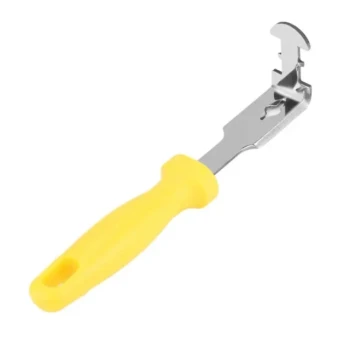
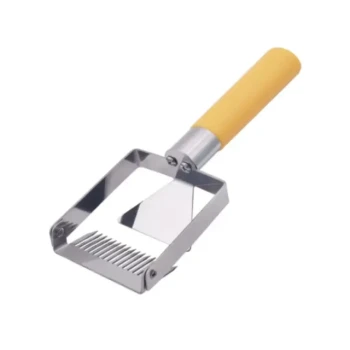
- Heavy Duty Stainless Steel Frame Cleaner with Plastic Handle
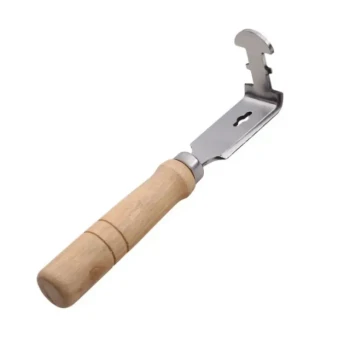
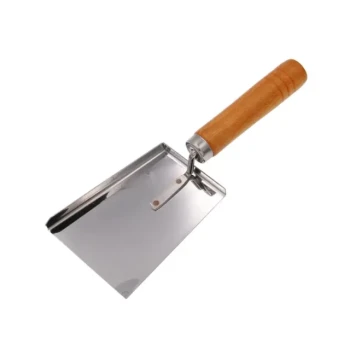
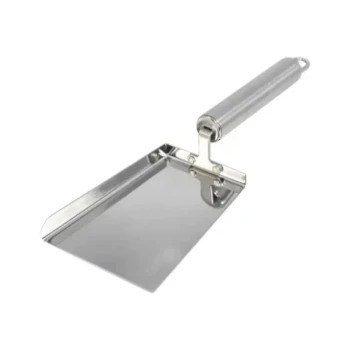
- Professional Stainless Steel Frame Cleaner with Ergonomic Wood Handle
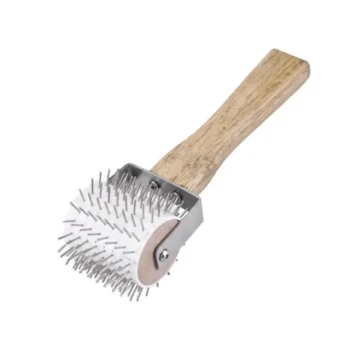
- Professional Honey Uncapping Roller for Efficient Harvesting
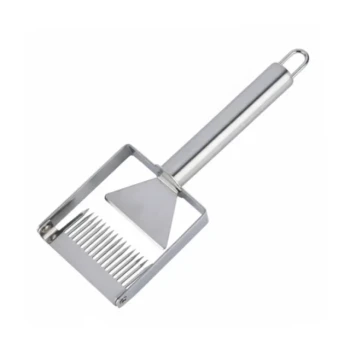
- All-Stainless Steel Pivoting Honey Uncapping Fork for Beekeeping
People Also Ask
- Why is a specific wooden frame required when installing a propolis screen? Optimize Your Propolis Harvest Efficiency
- What are the advantages of using propolis collector screens? Elevate Your Harvest to Pharmaceutical Purity
- How do propolis collection screens work? Discover material specs for commercial harvesting equipment
- How does the mesh size of a propolis collection screen influence the efficiency of propolis harvesting? Optimize Yields!
- How do commercial-grade plastic screens compare to custom fine-mesh screens? Maximize Your Propolis Yield & ROI