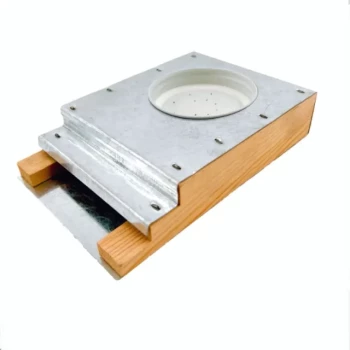
Supplemental feeding equipment acts as a critical lifeline during periods of environmental stress, preventing colonies from abandoning the hive (absconding) by bridging the gap between natural nectar flows. By delivering sugar syrup and pollen substitutes when natural forage is scarce, this equipment eliminates the starvation triggers that force bees to migrate, effectively anchoring the population to the apiary.
Core Insight Absconding is fundamentally a survival instinct triggered by resource failure. Supplemental feeding equipment neutralizes this risk by maintaining essential caloric and protein reserves, ensuring the colony perceives the hive as a viable, secure location even during severe nectar dearths.
The Mechanics of Prevention
Simulating Natural Flows
The primary driver of absconding is the cessation of natural food sources. Supplemental feeding equipment allows you to provide sugar solutions that mimic a natural nectar flow.
This simulation is psychological as well as nutritional for the hive. It encourages worker foraging activity within the feeder, maintaining the colony's morale and preventing the collective decision to flee in search of better resources.
Stabilizing Queen Productivity
A lack of resources often signals the queen to stop laying eggs, leading to a population decline that makes the colony vulnerable.
Specialized feeders ensure a continuous supply of nutrition, which stimulates the queen to continue egg-laying. Maintaining this reproductive momentum is essential; a colony that continues to rear brood is significantly less likely to abandon its nest than one that has ceased reproduction.
Reducing Environmental Stress
Extreme heat, drought, or excessive precipitation can restrict bees from collecting whatever limited natural forage exists.
Precision feeding equipment brings the food source directly to the colony, removing the energy cost and risk associated with foraging in hostile conditions. This allows the colony to conserve energy reserves that would otherwise be depleted in futile foraging attempts.
Beyond Retention: Nutritional Resilience
Compensating for Habitat Quality
Scarcity is not always about a total lack of food; often, it is a lack of quality food.
Equipment that dispenses pollen substitutes compensates for protein deficits. This is vital for larval development and immune system function, ensuring that the bees remaining in the hive are healthy enough to sustain the colony's operations.
Ensuring Overwintering Success
Absconding often occurs when a colony realizes it lacks the stores to survive the coming season.
By using feeders to bulk up caloric reserves in late autumn, you ensure the colony can rear a sufficient population of "winter bees." These fat-rich bees are necessary for thermoregulation and survival through the cold months, effectively removing the survival pressure that drives late-season absconding.
Understanding the Trade-offs
While supplemental feeding is a powerful tool for retention, it requires careful management to be effective.
The Cost of Intervention
Implementing a feeding regimen shifts the apiary from a passive management style to an active, resource-intensive operation. It requires investment in consumables (syrup/pollen) and the labor to monitor and refill equipment.
The Dependency Risk
Artificial feed is a substitute, not a perfect replacement for diverse natural forage.
Relying solely on sugar syrup for extended periods without protein supplementation (pollen) can lead to malnutrition. Beekeepers must ensure they are providing a complete nutritional profile, or they risk retaining a colony that is populous but biologically weak.
Making the Right Choice for Your Goal
To maximize the effectiveness of supplemental feeding, align your strategy with your specific operational objectives.
- If your primary focus is Commercial Stability: Prioritize high-volume syrup feeders during dearths to maintain population density, ensuring you have maximum foraging strength ready for the next major honey flow.
- If your primary focus is Colony Survival: Focus on protein-rich pollen substitutes and carbohydrate loading in late autumn to build robust nutritional reserves for successful overwintering.
By proactively managing resource scarcity, you transform an environmental crisis into a manageable operational routine.
Summary Table:
| Mechanism | Prevention Strategy | Impact on Colony |
|---|---|---|
| Resource Simulation | Mimics natural nectar flows via feeders | Maintains foraging morale and prevents migration instincts |
| Queen Stimulation | Continuous protein & syrup supply | Encourages uninterrupted brood rearing and population growth |
| Stress Reduction | Direct-to-hive nutrition delivery | Conserves energy by removing the need for foraging in hostile weather |
| Nutritional Buffering | Dispensing pollen substitutes | Ensures larval health and builds a robust immune system |
Maximize Your Colony Retention with HONESTBEE
Don't let seasonal nectar dearths deplete your apiary. HONESTBEE provides professional-grade beekeeping tools and machinery designed for commercial apiaries and distributors. From high-capacity feeding systems that prevent absconding to advanced honey-filling machines and specialized hive-making hardware, we supply the full spectrum of equipment and consumables needed for global success.
Partner with HONESTBEE to strengthen your supply chain and protect your bees.
Contact Our Wholesale Experts Today
References
- Ernesto Guzmán‐Novoa, José Javier G. Quezada‐Euán. The Process and Outcome of the Africanization of Honey Bees in Mexico: Lessons and Future Directions. DOI: 10.3389/fevo.2020.608091
This article is also based on technical information from HonestBee Knowledge Base .
Related Products
- 3.5L Plastic Beehive Frame Feeder Deep Frame Water Feeder for In Hive Use
- HONESTBEE Entrance Bee Feeder Efficient Hive Front Liquid Feeding Solution for Beekeeping
- In-Hive Dual Compartment Frame Bee Feeder for Targeted Colony Nutrition
- Professional Hive Top Bee Feeder for Beekeeping
- Rapid Bee Feeder White Plastic 2L Round Top Feeder for 8 or 10-Frame Bee Hives
People Also Ask
- What are the technical advantages of using frame feeders for beehives? Maximize Efficiency and Colony Survival
- Can plastic frames be used in any type of beehive? Maximize Your Apiary Efficiency with Durable Solutions
- What are the technical functions and design requirements of plastic feeders? High-Performance Sourcing for Distributors
- What are the advantages of feeding bees inside the hive? Top Benefits for Colony Security and Health
- Are plastic bee hive frames good? A Guide to Modern Durability vs. Natural Appeal