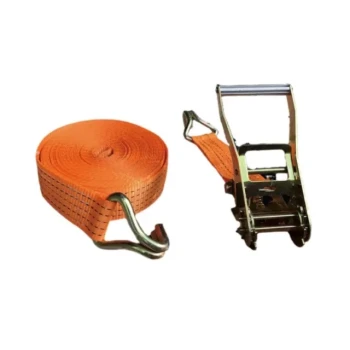
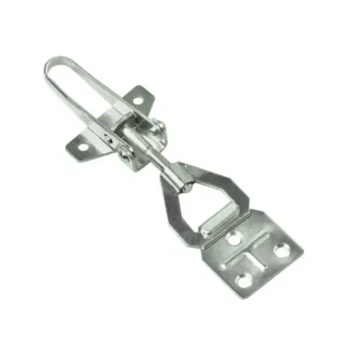
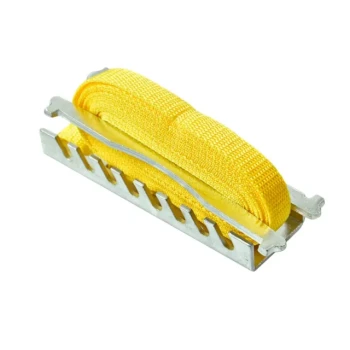
The beehive leasing model relies on specialized transport equipment to transform pollination into a mobile, on-demand service. By utilizing this machinery, operators can deploy bee colonies to specific agricultural or forestry locations precisely when crops are flowering. This creates value by generating service-based revenue through the rental of these biological resources while simultaneously driving significant increases in crop yield and biodiversity.
By mobilizing biological resources, the beehive leasing model bridges the gap between static apiaries and dynamic agricultural needs. It generates dual value: service revenue for the provider through equipment rental and enhanced productivity for the farmer through precision pollination.
The Mechanics of Precision Pollination
Targeted Deployment
The core function of the specialized transport equipment is logistical precision. It allows operators to move colonies from a central location to specific crop areas or forestry systems.
Timing and Location
This mobility ensures that bees are present exactly where and when they are needed most. Rather than relying on local, wild populations, farmers can import pollination capacity to match their specific planting schedules.
mobilizing Biological Resources
The equipment essentially acts as a delivery vehicle for biological assets. It transforms a stationary hive into a rentable, mobile unit that can service multiple locations throughout a growing season.
Economic and Agricultural Outcomes
Increasing Crop Yields
The primary agricultural benefit of this model is a significant boost in production. By concentrating pollinator activity on target crops, the model directly supports higher fertilization rates and fruit set.
Enhancing Biodiversity
Beyond immediate crop yields, the reference highlights that this approach supports biodiversity. Introducing managed colonies can supplement local ecosystems, ensuring robust pollination coverage across diverse plant species.
The Service-Based Revenue Model
For the equipment operator, value is captured through a service-based financial structure. Revenue is generated by the mobile rental of both the hardware (the transport and housing equipment) and the software (the living bee colonies).
Understanding the Logistical Trade-offs
Equipment Dependency
Success in this model is entirely dependent on the reliability of the specialized transport equipment. Any mechanical failure during the critical transport window can result in missed pollination opportunities.
Biological Constraints
While the equipment provides mobility, the "cargo" is a living biological resource. Frequent transport must be managed carefully to ensure the health and efficacy of the colonies upon arrival.
Making the Right Choice for Your Goal
To effectively utilize or invest in the beehive leasing model, you must align the logistical capabilities with your specific agricultural objectives.
- If your primary focus is Agricultural Yield: Prioritize leasing contracts that guarantee the deployment of equipment and colonies during the peak flowering window of your specific crop.
- If your primary focus is Service Operation: Invest in transport equipment that maximizes the safety and speed of colony deployment to increase the turnover rate of your rental assets.
This model demonstrates that integrating specialized logistics with biological processes is the key to unlocking scalable agricultural productivity.
Summary Table:
| Key Element | Role in Leasing Model | Value Created |
|---|---|---|
| Transport Equipment | Facilitates logistical precision & mobility | Enables on-demand, mobile service revenue |
| Biological Resources | High-density bee colonies | Direct increase in fertilization and fruit set |
| Timing & Location | Precise deployment during flowering | Maximizes crop productivity and yield consistency |
| Biodiversity Support | Supplementing local ecosystems | Robust pollination across diverse plant species |
Scale Your Apiary Operations with HONESTBEE
Are you looking to capitalize on the lucrative beehive leasing market? At HONESTBEE, we specialize in empowering commercial apiaries and distributors with the robust infrastructure needed for high-efficiency mobile pollination. From specialized hardware and hive-making machinery to honey-filling systems and essential industry consumables, our comprehensive wholesale offerings ensure your logistics are as reliable as your biological assets.
Maximize your turnover and agricultural impact today. Contact us at HONESTBEE to discover how our professional beekeeping tools and machinery can streamline your service-based revenue model.
References
- Rosa Romero-Franco. AF4EU Buzz: Unveiling Beekeeping Value Chain and Sustainable Agroforestry Practices in the EU. DOI: 10.30955/gnc2025.00078
This article is also based on technical information from HonestBee Knowledge Base .
Related Products
- Plastic Transporting Bee Packages and Nuc Boxes for Beekeeping
- Durable Plastic Interlocking Hive Connector for Beekeeping
- Heavy Duty Ratchet Hive Strap
- Heavy Duty Adjustable Hive Connector
- High-Efficiency Pneumatic Bee Hive Making Machine for Rapid Box Assembly
People Also Ask
- What role do bee package boxes play in the commercial transport and expansion of honeybee colonies? - Logistic Essentials
- What are beekeeping boxes called? A Guide to Hive Bodies and Box Types
- How do standardized bee packages serve as a recovery mechanism for commercial beekeeping? Ensure Business Continuity
- What is the commercial value of using standardized bee packages? Drive Scalability in Large-Scale Apiaries
- Why is the timely introduction of high-quality bee packages critical? Save Your Apiary from Asian Hornet Invasions