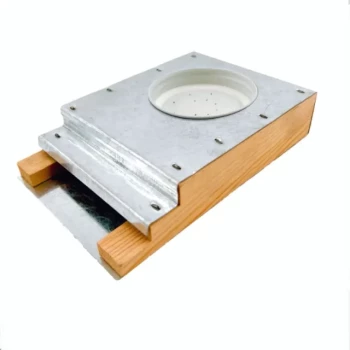
The mechanical design of honey bee feeding devices determines the validity of experimental data by directly dictating feeding frequency and social interactions. In laboratory settings, specific configurations—such as microcentrifuge tubes with 1 mm apertures—are required to stabilize liquid consistency and eliminate behavioral artifacts caused by overcrowding.
The integrity of nutritional research relies on distinguishing biological preference from physical limitation. Optimized feeder design eliminates variables like evaporation and resource competition, ensuring that observed feeding patterns reflect true physiological needs rather than environmental constraints.
Mechanical Precision and Sample Stability
Regulating Liquid Access
The physical interface between the bee and the nutrient solution is critical. Utilizing microcentrifuge tubes equipped with micro-holes of approximately 1 mm creates an optimal balance for accessibility.
This precise aperture size allows bees to feed effectively without physically entering the reservoir. It standardizes the effort required to extract nutrition across the study population.
Mitigating Environmental Interference
Poorly designed feeders often suffer from leakage or evaporation.
The 1 mm micro-hole design significantly reduces moisture evaporation. This ensures that the concentration of sugar or protein solutions remains constant throughout the experiment, preventing data skewing caused by changing solution viscosity or potency.
Simultaneously, this design prevents liquid feed leakage. This maintains a hygienic environment and prevents bees from becoming coated in the solution, which can alter mortality rates and grooming behaviors.
Managing Population Dynamics
Preventing Resource Competition
In high-density experimental groups, the ratio of feeding ports to insects is a primary variable.
Limiting the number of feeding sites creates artificial bottlenecks. This leads to crowding at feeding sites, where aggressive interactions may override natural feeding impulses.
Ensuring Equitable Access
To capture accurate nutritional regulation data, every individual must have fair access to resources.
Increasing the number of feeding tubes in dense groups ensures that weaker or less aggressive bees can still access various protein and sugar solutions. This democratization of resources is essential for calculating accurate group-level nutritional intake.
Understanding the Risks of Poor Configuration
The Cost of Inadequate Capacity
Failing to scale the number of tubes with population density introduces social stress as a confounding variable.
If bees must compete for access, the resulting data may reflect social hierarchy rather than nutritional selection. This renders the experiment invalid for physiological study.
The Impact of Design Flaws
Deviating from the 1 mm aperture standard introduces physical risks.
Larger holes may lead to rapid leakage, drowning subjects or altering the cage humidity. Smaller holes may restrict uptake, causing starvation effects that mimic nutritional rejection.
Making the Right Choice for Your Goal
To ensure the reliability of your laboratory results, you must match your equipment configuration to your experimental parameters.
- If your primary focus is nutritional accuracy: Increase the number of feeding tubes to guarantee that every individual has unrestricted access to all diet variations.
- If your primary focus is solution stability: Utilize microcentrifuge tubes with 1 mm micro-holes to minimize evaporation and maintain precise chemical concentrations over time.
Correctly calibrated feeding devices turn potential variables into constants.
Summary Table:
| Design Feature | Specification | Impact on Experimental Outcomes |
|---|---|---|
| Aperture Size | 1 mm Micro-holes | Stabilizes liquid consistency and prevents drowning/leakage. |
| Port Accessibility | Multi-tube Configuration | Eliminates resource competition and social stress variables. |
| Evaporation Control | Sealed Microcentrifuge Tubes | Maintains constant solution concentration for nutritional accuracy. |
| Physical Barrier | External Access Only | Prevents behavioral artifacts caused by grooming or contamination. |
Elevate Your Bee Research and Operations with HONESTBEE
Precise experimental outcomes start with high-quality equipment. At HONESTBEE, we understand the intricate needs of commercial apiaries, researchers, and distributors. Whether you are conducting controlled laboratory studies or managing large-scale operations, our comprehensive wholesale portfolio has you covered.
Why partner with HONESTBEE?
- Precision Machinery: From honey-filling to hive-making machines, we provide the hardware that drives efficiency.
- Quality Consumables: A full spectrum of beekeeping tools and industry essentials designed for durability.
- Expert Support: We cater to the unique demands of global distributors with specialized products and cultural merchandise.
Ensure your success with the industry's most reliable equipment. Contact HONESTBEE today to discuss your wholesale needs and discover how our solutions can empower your business or research.
References
- Henrika Bosua, Christian W. W. Pirk. Effects of cage volume and bee density on survival and nutrient intake of honeybees (Apis mellifera L.) under laboratory conditions. DOI: 10.1007/s13592-018-0595-x
This article is also based on technical information from HonestBee Knowledge Base .
Related Products
- HONESTBEE Entrance Bee Feeder Efficient Hive Front Liquid Feeding Solution for Beekeeping
- Professional In-Hive Bee Feeder HONESTBEE Frame for Beekeeping
- HONESTBEE Entrance Bee Feeder Professional Hive Nutrition Solution for Beekeeping
- Plastic Beekeeping Honey Bee Larvae Grafting Tools for Queen Rearing and Chinese Grafting
- HONESTBEE Square Top Hive Bee Feeder Top Bee Feeder
People Also Ask
- What types of bee feeders are available for beginners? Start with the Simple Entrance Feeder
- What are the advantages and disadvantages of using an entrance feeder for bees? Balance Convenience and Hive Security.
- What is a bee entrance feeder and what are its drawbacks? Essential Guide to Hive Security and Feeding Efficiency
- How does a bee entrance feeder work? A Simple Guide to Convenient Hive Feeding
- How to make an entrance feeder for bees? A DIY Guide for Safe & Effective Feeding