Heavy propolis changes both the tool specification and the entrance-management strategy. Caucasian and Dark European bees can seal frame rests, box joints, covers, and entrances with thick propolis deposits, effectively bonding hive components together. Commercial apiaries should therefore use high-leverage, corrosion-resistant hive tools and install entrance hardware that remains adjustable and serviceable when bees heavily coat openings with resin.
The central requirement is mechanical durability plus easy maintenance. Select tools that can break tough propolis seals without gouging wood, and use entrance reducers or adjustable entrances that can be inspected, cleared, and resized as colony conditions change.
Why Heavy Propolis Deposition Matters
Frames and hive bodies become difficult to separate
Propolis functions as a structural sealant. In high-propolizing colonies, it can glue frames to frame rests and bond hive boxes, inner covers, and other components together.
Routine inspections therefore require more force than they would with lightly propolized colonies. Inadequate tools increase the risk of bent metal, damaged wooden components, crushed bees, and unnecessarily disruptive inspections.
Entrances can become partially sealed
Caucasian and Dark European bees may apply propolis to entrance openings and build thick resin curtains. This can reduce the effective entrance area and make the entrance less predictable over time.
Entrance hardware must consequently be treated as a working component, not a permanently fixed setting. Beekeepers need to monitor and clear it as part of normal apiary maintenance.
Seasonal sealing intensifies the requirement
As autumn conditions and floral resources decline, colonies commonly seal gaps and openings more aggressively to limit drafts and protect the nest.
Entrance systems should support controlled restriction without preventing the beekeeper from maintaining an appropriate opening and checking for excessive propolis buildup.
Selecting Hive Tools for High-Propolis Colonies
Prioritize leverage over minimal size
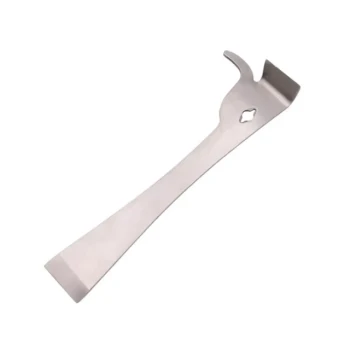
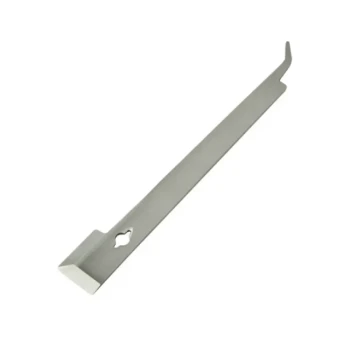
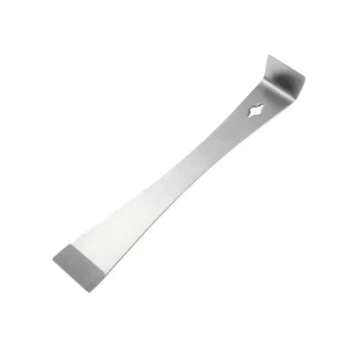
A robust metal hive tool provides the leverage required to break propolis seals between boxes and beneath frame ears. A tool that is too light or short may force the operator to twist excessively, increasing the chance of tool failure or wood damage.
For commercial use, distributors should prioritize heavy-duty stainless steel tools with a practical prying profile and enough rigidity for repeated box separation.
Include a scraper function
Propolis accumulates on frame rests, ledges, cover edges, and other contact surfaces. A tool should not only pry components apart but also scrape resin from these areas.
A combined pry-and-scraper design supports faster inspections and helps preserve correct frame spacing and component fit.
Choose materials that tolerate repeated cleaning
Propolis adheres strongly to metal, wood, and protective clothing. Tools should therefore have surfaces that can be cleaned efficiently and resist corrosion during repeated field use.
Stainless steel is particularly suitable for commercial fleets because it combines durability with straightforward maintenance.
Protect wooden equipment during prying
The objective is to break the resin seal, not to cut into the hive body. Tool geometry and operator technique should direct force between components while avoiding unnecessary gouging of wooden edges.
Durable frame materials and standardized hive components also help equipment withstand repeated separation and reassembly.
Designing Entrance Management Hardware
Use adjustable entrance reducers
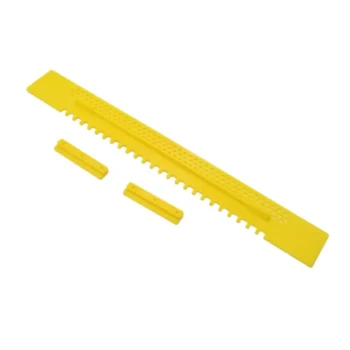
Entrance reducers allow the beekeeper to control the opening as colony strength, weather, and seasonal conditions change. They are especially useful when colonies naturally apply propolis to entrances or create resin curtains.
The reducer should be easy to remove, reposition, and clear without dismantling the hive entrance assembly.
Select hardware that remains accessible after propolizing
A reducer or entrance insert can become fixed in place if bees seal its edges with resin. Hardware should therefore avoid unnecessarily complex grooves, inaccessible cavities, or fragile components that become difficult to clean.
A practical system provides clear access for scraping and inspection.
Balance restriction with airflow and colony access
Entrance reduction should not be treated as a substitute for ventilation planning. The opening must remain sufficient for colony traffic and the apiary’s seasonal management requirements while still limiting unwanted gaps and drafts.
During winter preparation, reducers can complement the colony’s natural sealing behavior, but beekeepers must verify that propolis has not blocked the usable entrance.
Build for standardized hive systems
Exact-fitting, standardized components reduce unwanted gaps and make replacement and maintenance more predictable. This is valuable for commercial apiaries managing many colonies with similar equipment.
For B2B sourcing, compatible entrance hardware should be specified by hive format, dimensions, material, and adjustment method rather than marketed only by general application.
Turning Propolis Pressure into a Management Advantage
Install propolis collection mats or traps
High-propolis colonies create an opportunity to collect resin as a commercial byproduct. Specialized mats or trap grids encourage bees to fill narrow gaps with propolis, allowing removal and collection without repeatedly scraping frames or damaging wooden equipment.
These collectors should be integrated into the hive design without compromising inspection access or normal colony management.
Keep collection separate from critical moving joints
Propolis traps are most useful when they concentrate resin in a removable component. They should not make covers, boxes, or frames harder to separate during inspections.
The commercial objective is to redirect excess propolis into a harvestable location, not to increase bonding across essential hive interfaces.
Match collection equipment to apiary workflow
For wholesalers and distributors, a useful product portfolio may include collection mats, trap grids, replacement entrance reducers, heavy-duty hive tools, and cleaning accessories.
Supplying these items together helps customers manage the full cycle: inspection, entrance control, equipment maintenance, and propolis recovery.
Understanding the Trade-offs
More leverage can increase equipment damage
A stronger tool makes separation easier, but excessive force or poor technique can split wooden edges and damage frame components. Tool durability does not eliminate the need for controlled prying.
The best specification combines high strength with a geometry designed to apply force accurately.
Tight entrances improve control but require monitoring
A reduced entrance can support seasonal management, yet propolis curtains may further reduce the opening. If the hardware is not checked, the colony may face restricted access or poor practical airflow.
Adjustable hardware is valuable only when it remains accessible for inspection and clearing.
Propolis harvesting adds value but adds handling steps
Collection mats and traps can produce a useful byproduct, but they require removal, cleaning, storage, and downstream processing. They should be selected according to the apiary’s labor capacity and commercial objectives.
Heavy-duty tools cost more initially
Premium stainless steel tools and durable entrance hardware generally have higher purchase prices than lightweight alternatives. For commercial users, the relevant comparison is total service life, inspection efficiency, equipment damage, and replacement frequency—not unit price alone.
How to Apply This to Your Product and Apiary Plan
The most effective specification is a coordinated package rather than a single tool purchase.
- If your primary focus is inspection efficiency: Choose rigid stainless steel hive tools with strong leverage and integrated scraping surfaces, while maintaining standardized frame and box dimensions.
- If your primary focus is entrance control: Use adjustable, easy-to-clear entrance reducers and inspect them regularly for propolis curtains or blocked openings.
- If your primary focus is winter preparation: Combine controlled entrance reduction with routine checks to ensure the usable opening and practical airflow remain adequate.
- If your primary focus is propolis revenue: Add removable collection mats or trap grids that concentrate resin without bonding critical hive components together.
- If your primary focus is commercial sourcing: Build a compatible product range covering hive tools, scrapers, entrance hardware, propolis collectors, and replacement components with fast fulfillment and clear dimensional specifications.
With the right combination of leverage, cleanable materials, adjustable entrances, and removable collection hardware, heavy propolis becomes a manageable operating condition rather than a recurring source of downtime and equipment damage.
Summary Table:
| Aspect | Recommendation | Key Benefit |
|---|---|---|
| Hive Tool Material | Stainless steel | Corrosion-resistant, easy cleaning |
| Tool Design | Pry + scraper | Break seals & remove resin |
| Leverage | Heavy-duty, high leverage | Efficient box separation |
| Entrance Reducer | Adjustable, easy-to-clear | Responsive to colony needs |
| Hardware Maintenance | Accessible, no complex grooves | Simple inspection & cleaning |
| Propolis Harvest | Collection mats/traps | Turn resin into revenue |
Equip your apiary for high-propolis bees. At HONESTBEE, we supply durable stainless steel hive tools, adjustable entrance reducers, and propolis collection systems—all backed by rapid fulfillment and dedicated support. Contact us today to build a reliable, one-stop sourcing plan for your commercial operation. Get in touch now!
Related Products
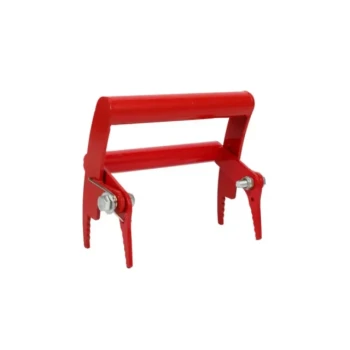
- Heavy-Duty Plier Action Frame Grip
- Professional Multi-Function Stainless Steel Hive Tool
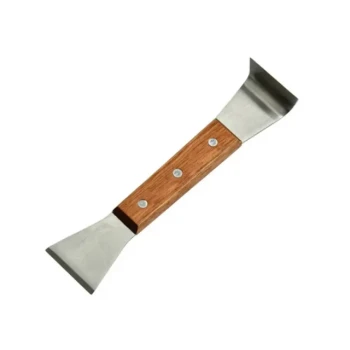
- Professional Dual-End Stainless Steel Hive Tool for Beekeeping
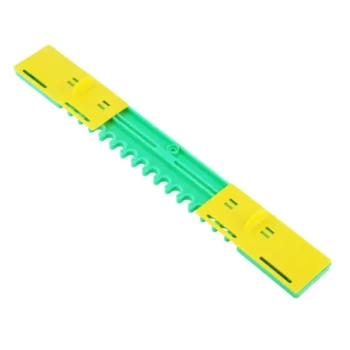
- Multi-Functional Sliding Hive Entrance for Beekeeping
- Steel Round Disc Entrance Reducer for Flexzion Bee Hive Nuc Box Gate
People Also Ask
- What is the purpose of using frame grips in beekeeping operations? Elevate Your Apiary Precision & Hive Safety
- What is a frame grip and how is it used? Secure Your Hive Inspections with Ease
- What are Frame Grips used for in beekeeping? Boost Your Hive Inspection Efficiency & Bee Safety
- What is the purpose of a frame grip in beekeeping? Achieve Secure, One-Handed Frame Handling
- What is the step-by-step process for using frame grips during a hive inspection? Master Safe Frame Handling Today