Open-air nesting honeybees manage disease partly by abandoning the nest, while cavity-nesting bees manage it within the nest. Species such as Apis laboriosa and Apis dorsata build a single exposed comb and may leave it when conditions deteriorate or the colony migrates. Dead brood and mites remaining in undamaged, capped cells are then left behind rather than being actively processed by workers. By contrast, cavity-nesting Apis mellifera colonies remain associated with multiple combs inside a hive and depend more heavily on hygienic removal, inspection, and external disease-control measures.
The key distinction is not simply “hygienic” versus “non-hygienic” behavior. Open-air species can limit disease and mite persistence through comb abandonment, whereas managed cavity-nesting colonies must control threats while remaining in the same reusable comb system. Commercial equipment therefore has to replace the protective effect that nest abandonment provides in the wild.
Why Nesting Architecture Changes Disease Control
Open-air colonies use physical separation
Apis dorsata and Apis laboriosa typically construct a single exposed comb beneath branches, cliffs, or rock overhangs. Their nest is not organized as a set of movable, reusable frames inside a permanent enclosure.
When the colony abandons the comb, dead brood, pathogens, and parasites left in the old nest are physically separated from the departing population. This can interrupt reproduction or transmission for organisms that remain in the abandoned brood area.
Cavity-nesting colonies remain exposed to the same comb
Apis mellifera builds multiple parallel combs inside a sheltered cavity. In commercial apiaries, those combs are retained in standardized boxes and frames so colonies can be inspected, expanded, and harvested efficiently.
That permanence creates a management advantage, but it also allows pathogens and mites to remain in the colony’s immediate environment. Equipment, comb, frames, and hive surfaces can all become part of the disease-management system.
Hygienic behavior operates inside capped brood
Cavity-nesting honeybees can detect abnormal, diseased, or damaged brood. Workers may uncap affected cells, remove the brood, and clean the cell.
This behavior is valuable, but it is not absolute protection. Its effectiveness varies with the bee stock, the disease, the age and condition of the brood, colony strength, and environmental stress.
What Open-Air Nesting Means for Mite Management
Comb abandonment can interrupt mite reproduction
Mites associated with capped brood depend on access to suitable host cells for reproduction. If a colony leaves the comb, mites and infested brood may be stranded in the abandoned nest rather than transferred continuously to a new managed brood area.
This is a population-level mechanism. It should not be interpreted as proof that every mite is eliminated or that open-air species are immune to parasitic mites.
Managed Apis mellifera lacks that escape mechanism
A commercial Apis mellifera colony normally stays in its hive, and its frames remain available for repeated brood cycles. Mites can therefore move through the colony and reproduce across successive generations unless the beekeeper interrupts the cycle.
The same standardized hive that enables high honey production, modular expansion, and mechanized extraction also makes deliberate mite monitoring and treatment necessary.
Hygienic selection is useful but incomplete
Colonies with strong hygienic or Varroa-sensitive hygiene traits may detect and remove infested brood more effectively. Selective breeding can make this behavior an important component of an integrated management program.
However, behavioral resistance should complement, not automatically replace, monitoring and other controls. Mite pressure, reinvasion from neighboring colonies, and treatment resistance can still undermine colony health.
Why Equipment Must Compensate
Screened bottom boards support monitoring and control
Screened bottom boards can help collect and count fallen mites and may reduce the likelihood that some dislodged mites return to the brood area. Their main value is as part of a monitoring and management system, not as a standalone solution.
For distributors and commercial operators, the correct specification depends on hive format, inspection method, cleaning access, and compatibility with monitoring trays or treatment inserts.
Brood tools enable targeted inspection
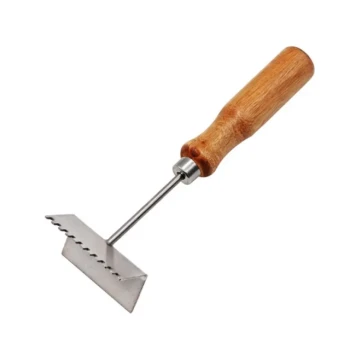
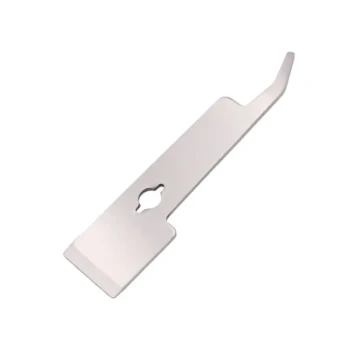
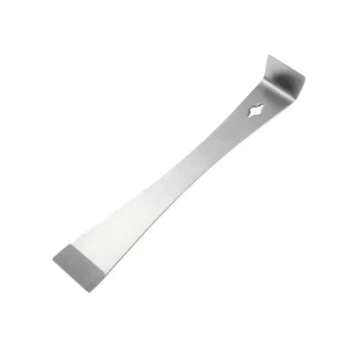
Capped-brood uncapping tools allow managers to inspect cells for mite reproduction, abnormal brood, or disease symptoms. Frame-based inspection makes it possible to sample colonies systematically rather than relying only on external signs.
The tool is effective only when paired with a defined inspection protocol, accurate diagnosis, and records that show whether colony-level risk is increasing or declining.
Treatment systems replace natural interruption
Chemical and mechanical mite-control products provide ways to interrupt mite reproduction or remove mites while the colony remains in its hive. Their selection must account for label requirements, temperature, brood status, honey-flow timing, resistance, and the presence of supers.
No single product or device reproduces every benefit of abandoning an infested comb. Commercial apiaries generally need a coordinated portfolio of monitoring equipment, treatment hardware, replacement parts, and protective gear.
Standard Hives Make Management Scalable
Movable frames turn behavior into an operational process
Cavity-nesting bees adapt to box hives with movable frames, brood boxes, honey supers, and queen excluders. These components allow workers to inspect brood, replace damaged comb, isolate colonies, and manage population growth.
Uniform dimensions also support frame assembly machinery, hive-making equipment, and high-capacity extraction systems. The result is efficient production, but it depends on disciplined biosecurity between colonies and apiary sites.
Open-air species are not direct equipment equivalents
Apis dorsata and Apis laboriosa cannot generally be treated as ordinary frame-hive production bees. Their exposed, single-comb nesting behavior is poorly matched to standard commercial hive hardware.
Their disease-management strategy therefore should not be copied mechanically into Apis mellifera operations. The relevant lesson is the function of comb abandonment: separating the healthy population from contaminated brood and nest material.
Bee stock affects equipment requirements
Different Apis mellifera races and selected lines vary in defensive behavior, brood production, swarming tendency, productivity, and hygienic performance. A high-producing or defensive colony may require different inspection workflows, protective clothing, hive capacities, and handling tools.
Distributors serving commercial apiaries should therefore support complete, compatible equipment packages rather than treating every colony as behaviorally identical.
Understanding the Trade-offs
Hygienic removal is not the same as nest abandonment
Worker removal acts on individual cells within an occupied colony. Comb abandonment removes the colony from an entire nest environment.
These mechanisms operate at different scales. A colony may show strong hygienic behavior and still require mite treatment, while an open-air colony may gain disease-related protection from abandonment without actively removing every affected cell.
Permanence improves productivity but increases responsibility
Reusable frames and established comb accelerate colony buildup and honey production. They also create opportunities for mites, pathogens, residues, and contaminated material to persist between brood cycles or move between colonies.
Replacing or isolating compromised comb, cleaning equipment, and preventing drift and robbing are therefore important complements to mite treatments.
Equipment does not compensate for weak protocols
A screened floor, uncapping tool, or treatment device cannot determine whether a colony is infested, select the correct intervention, or prevent reinvasion. Poor timing, incorrect application, and inadequate follow-up can make technically sound equipment ineffective.
Commercial buyers should evaluate products by their fit with inspection schedules, hive standards, labor capacity, local regulations, and after-sales support.
Making the Right Choice for Your Goal
The practical decision is to match equipment to the biology of the managed bee and the scale of the operation.
- If your primary focus is mite monitoring: Select compatible screened bottom boards, mite-counting trays, brood-inspection tools, and recordkeeping procedures that allow repeated colony-level measurements.
- If your primary focus is targeted disease control: Prioritize movable-frame equipment, capped-brood inspection tools, replaceable comb components, and treatment systems that support rapid isolation and intervention.
- If your primary focus is commercial throughput: Standardize hive bodies, frames, brood boxes, supers, and extraction equipment so inspections and harvesting remain interchangeable across the apiary.
- If your primary focus is distributor or wholesale service: Build a full-spectrum product range around compatible hive hardware, monitoring devices, treatments, protective equipment, replacement parts, and fast fulfillment.
- If your primary focus is colony-specific performance: Match equipment capacity and worker protection to the race, defensive behavior, brood cycle, productivity, and seasonal management pattern of the bees being supplied.
Commercial disease management works best when equipment replaces the protective functions that open-air bees obtain through nest abandonment while preserving the productivity and inspectability of standardized cavity hives.
Summary Table:
| Feature | Open-Air Nesting (Apis dorsata, laboriosa) | Cavity-Nesting (Apis mellifera) |
|---|---|---|
| Nest type | Single exposed comb, often abandoned | Multiple combs in permanent cavity, retained in hives |
| Disease strategy | Comb abandonment interrupts pathogen cycles | Hygienic behavior inside brood; requires management |
| Mite control | Mites left behind after abandonment | Requires monitoring and treatment |
| Equipment needs | Minimal, not standard commercial | Screened floors, uncapping tools, treatments, movable frames |
| Commercial relevance | Not directly managed | High, with standardized equipment for inspection and treatment |
Is your apiary equipped for effective mite management? HONESTBEE provides a full-spectrum range of hive hardware, monitoring tools, and treatment systems designed for commercial beekeeping. Our comprehensive wholesale offerings include screened bottom boards, uncapping tools, and durable movable-frame components, all backed by rapid delivery and expert support. Whether you're a distributor seeking reliable supply or a beekeeper upgrading your operation, we ensure you have the right equipment to replace nature's abandonment strategy with proactive control. Contact us today to request a quote and strengthen your disease management plan.
Related Products
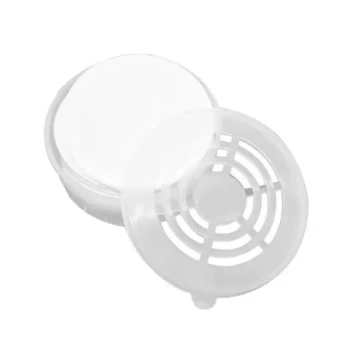
- Compact Circular Bee Mite Treatment Dispenser
- Langstroth Screen Bottom Board for Beekeeping Wholesale
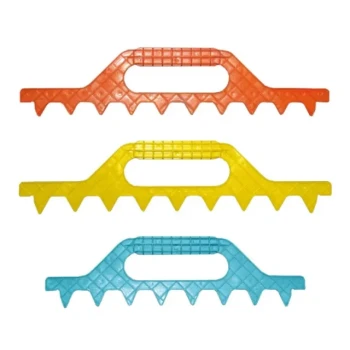
- Ergonomic Plastic Frame Spacer Tool for Rapid Hive Management Beekeeping
- Professional 600D Oxford Cloth Beekeeping Tool Bag with 8 Pockets and Elastic Loops
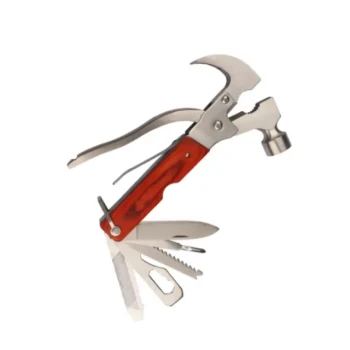
- HONESTBEE 15-in-1 Beekeeper Multi-Tool with Hammer and Pliers for Beekeeping
People Also Ask
- What is the function of specialized prevention consumables? Protect Hives from Varroa Mites & European Foulbrood
- What is the function of specialized application devices for Varroa? Precision Control for Healthier Bee Colonies
- What technical factors influence chemical Varroa treatments? Optimize Your Hive Health with Precise Timing
- How do different application forms of oxalic acid or formic acid affect Varroa mite treatments? Maximize Your Hive Efficacy
- What is the primary purpose of organic acids and synthetic acaricides in honeybee colony management? Varroa Control Guide