Importing non-native queen bees can increase disease risk in commercial apiaries by moving pathogens, parasites, contaminated attendants, and invasive genetics across biosecurity boundaries. It can also introduce queens whose traits are poorly adapted to local climate and disease pressure. Localized queen-rearing equipment—such as grafting tools, incubators, mating hives, and hygienic insemination systems—allows operators to produce and select queens from healthy resident colonies while reducing dependence on live-bee transport.
The strongest biosecurity strategy is not simply to buy better queens, but to control where replacement queens come from and how they are produced. Local rearing reduces external biological exposure, preserves locally adapted genetics, and gives commercial apiaries greater control over queen quality and replacement timing.
Why Imported Queens Increase Disease Exposure
Live transport creates a biological pathway
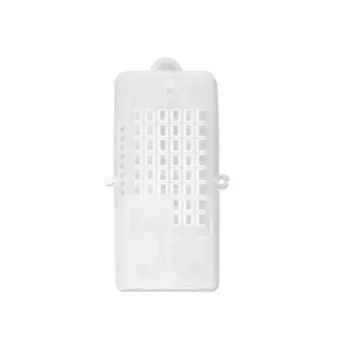
A transported queen may arrive with attendant workers, mites, pathogens, or contaminated materials. The queen cage, attendants, packaging, and handling equipment can provide pathways for organisms to enter local colonies.
Potential risks include established honeybee diseases, parasites, and emerging pathogens such as Chronic Bee Paralysis virus. The precise risk depends on the source region, health certification, transport conditions, and quarantine controls.
Disease can spread beyond the receiving hive
A newly introduced queen is usually placed into existing hive hardware and colony management systems. If contamination is overlooked, the receiving colony can become a bridge through which pathogens spread to other colonies in the apiary.
Commercial operations face a higher consequence because many colonies are managed in close proximity and equipment, personnel, and bees may move repeatedly between them.
Transported genetics may introduce undesirable traits
Importation also creates a genetic biosecurity issue. Non-native stock can dilute locally adapted gene pools through introgression and may introduce traits that are poorly suited to regional climate, forage conditions, winter demands, or local disease pressure.
A queen that performs well in its source region is not automatically the best choice for another environment.
Why Local Queen Rearing Reduces the Risk
It reduces reliance on live-bee movement
Producing queens within the apiary or region reduces the number of live queens and attendant workers crossing biosecurity boundaries. That removes an important opportunity for pathogens and parasites to enter the operation.
Local rearing does not eliminate disease risk, but it makes the biological supply chain shorter and easier to monitor.
It preserves locally adapted resilience
Breeding from healthy, high-performing resident colonies allows operators to select for traits such as disease resistance, gentle temperament, winter resilience, and reliable productivity.
These traits are more relevant when they have been demonstrated under the same regional environmental conditions in which the replacement queens will work.
It improves replacement speed and continuity
Queen loss or failure can destabilize a colony and increase mortality risk. In-house rearing gives commercial beekeepers access to replacement queens, cells, or mating units without waiting for an external shipment.
This supports faster intervention when inspections identify queen failure, poor brood patterns, or declining colony performance.
Equipment That Supports a Local Rearing Program
Grafting tools improve breeder control
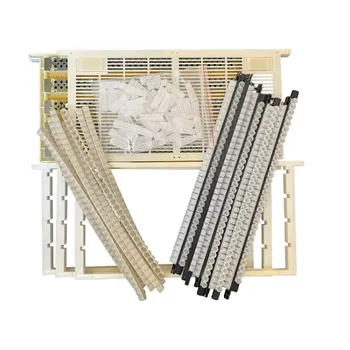
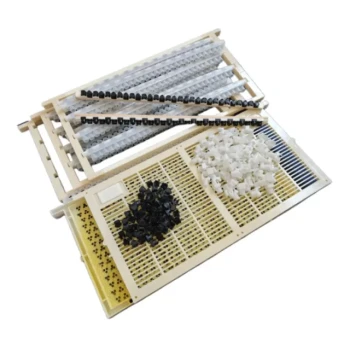
Grafting tools allow breeders to transfer very young larvae from selected colonies into queen-rearing systems. This makes it possible to propagate genetics from colonies that demonstrate desirable health and production characteristics.
Clean handling is essential. Grafting equipment should be managed as part of the apiary’s sanitation and traceability procedures.
Incubators protect developing queens
Queen-rearing incubators provide controlled conditions for developing queen cells and emerging queens. They can help standardize production and reduce dependence on unpredictable external supply schedules.
Temperature-controlled equipment can also support carefully managed movement of brood when permitted by applicable regulations and veterinary guidance. Brood transport is not automatically risk-free, so source-colony health and sanitation remain essential.
Mating hives support controlled local production
Mating hives, mating nucs, and related queen-rearing equipment provide dedicated spaces for virgin queens to mature and mate. They help breeders organize production, track queen origin, and evaluate mating success.
They also make it easier to isolate breeding groups and prevent unnecessary movement of queens between unrelated operations.
Queen excluders support structured colony management
Queen excluders can help manage brood-rearing areas and mating or breeder colonies. They are not disease-control devices by themselves, but they support a more controlled production system when combined with inspections, sanitation, and clear colony-management protocols.
Instrumental insemination offers additional genetic control
Instrumental insemination can give advanced breeders greater control over mating and genetic selection. Under hygienic laboratory conditions, it may reduce the need to move live mating colonies or queens across regions.
It requires specialized equipment, trained personnel, strict sanitation, and reliable semen handling. It is therefore a complementary tool for professional breeding programs, not a universal replacement for natural mating.
Building Biosecurity Into Queen Production
Start with verified breeder colonies
Local production is only as safe as the colonies selected as breeding sources. Breeder colonies should be inspected regularly and monitored for disease, abnormal brood patterns, parasites, and declining performance.
Selection should combine health status with commercially relevant traits rather than relying on production alone.
Separate breeding, receiving, and observation areas
Newly acquired queens, colonies, or genetic material should not move directly into the main production population. A designated observation or quarantine area allows the operator to assess health before integration.
This is particularly important when introducing outside genetics, even if the queens originate from a nearby region.
Control equipment and personnel movement
Hive tools, cages, incubators, and insemination instruments can become contamination points if they move between colonies without appropriate cleaning. A documented sanitation procedure should cover reusable equipment and define when disposable materials must be discarded.
When live queens arrive with attendant workers, the transport cage and attendants should be handled according to veterinary and regulatory requirements. The objective is to prevent potentially contaminated materials or workers from entering the apiary’s reusable system.
Maintain traceability
Each queen or queen cell should be traceable to its breeder colony, grafting date, mating group, and introduction date where practical. Records help identify the source of a problem and allow operators to stop distributing related stock if a health concern emerges.
Traceability also strengthens confidence for distributors, wholesalers, and commercial customers purchasing locally reared queens.
Understanding the Trade-offs
Local rearing requires investment and expertise
Grafting, incubators, mating hives, and instrumental insemination systems require capital, training, labor, and ongoing maintenance. A small operation may find that purchasing queens from a thoroughly screened local breeder is more efficient than building a complete breeding program.
The correct comparison is not equipment cost alone, but total cost against transport risk, replacement speed, genetic control, and long-term colony performance.
Local does not automatically mean disease-free
A local queen can still originate from an infected breeder colony or be exposed through contaminated tools, drifting bees, robbing, or poor apiary hygiene. Local production reduces external exposure; it does not replace surveillance and sanitation.
Genetic diversity must be managed carefully
Avoiding all outside genetics can limit breeding options or reduce genetic diversity in some programs. The safer approach is controlled introduction, using verified stock, quarantine, diagnostic checks, and a clear breeding objective.
Artificial insemination has its own hazards
Instrumental insemination can reduce live-vector movement, but contaminated instruments, semen, or laboratory surfaces can still transmit disease. Hygiene, training, and equipment validation are fundamental.
Making the Right Choice for Your Goal
The best sourcing and equipment strategy depends on the apiary’s scale, disease pressure, breeding objectives, and operational capacity.
- If your primary focus is biosecurity: Prioritize locally reared queens from verified breeder colonies, dedicated quarantine procedures, clean grafting tools, and controlled mating units.
- If your primary focus is production continuity: Invest in incubators, mating hives, and a documented replacement program so queen failures can be addressed without waiting for live shipments.
- If your primary focus is genetic improvement: Select high-performing local breeder colonies and use structured records, grafting equipment, and—where expertise supports it—instrumental insemination.
- If your primary focus is sourcing and fulfillment: Work with suppliers that can provide a full queen-rearing equipment portfolio, rapid technical support, consistent product quality, and efficient delivery.
- If your primary focus is introducing outside genetics: Use verified sources, quarantine incoming stock, inspect attendant workers and materials, and introduce new genetics gradually under documented health controls.
A localized queen-rearing program turns queen replacement from a biological import risk into a controlled, traceable, and adaptable part of commercial apiary management.
Summary Table:
| Aspect | Impact of Importing Non-Native Queens | Benefit of Localized Queen Rearing |
|---|---|---|
| Disease exposure | Moves pathogens, parasites, and contaminants across borders | Reduces reliance on live-bee transport, lowering exposure |
| Genetics | Introduces traits poorly adapted to local conditions | Preserves locally adapted resilience and selects for disease resistance |
| Replacement speed | Depends on external shipments, causing delays | Provides faster replacement with in-house production |
| Biosecurity | Risk of pathogen spread to entire apiary | Shorter supply chain with controlled breeding and quarantine |
| Traceability | Difficult to track source and health history | Full traceability from breeder colony to introduction |
Ready to strengthen your apiary's biosecurity with localized queen-rearing equipment? HONESTBEE offers a comprehensive wholesale portfolio of beekeeping tools, machinery, and equipment, including grafting tools, incubators, mating hives, and instrumental insemination systems. Our dedicated team provides rapid response, expert guidance, and ultra-fast delivery to support your commercial operation. For distributors and wholesalers, we offer premium trading services, OEM/ODM support, and reliable supply to help you expand your market. Contact us today to secure your supply chain and enhance your apiary's health.
Related Products
- Retractable Chinese Queen Rearing Grafting Tools Equipment
- HONESTBEE Improved No Grafting Queen Rearing Kit For Queen Rearing and Royal Jelly Production
- No Grafting Queen Rearing Kit: System for Royal Jelly Production and Queen Rearing
- Premium Nicot Style Queen Rearing Kit with Hair Roller Bee Cages
- Nicot Queen Rearing Kit for Beekeeping and Grafting in Nicot System
People Also Ask
- Which specialized tools are necessary for implementing standardized queen rearing? Scale Your High-Yield Apiary
- How does selective queen rearing benefit an apiary? Discover Essential Tools for High-Quality Queen Bees
- Why are specialized queen rearing tools necessary to mitigate winter hive losses? Boost Apiary Survival and Recovery
- What operational workflows and queen rearing tools are required for implementing instrumental insemination and isolated mating in commercial queen breeding programs?
- How do queen-rearing tools facilitate the sustainability and expansion of a commercial apiary? Drive Scalable Growth