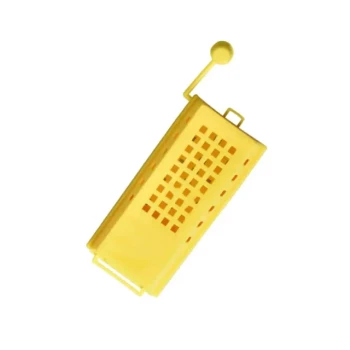
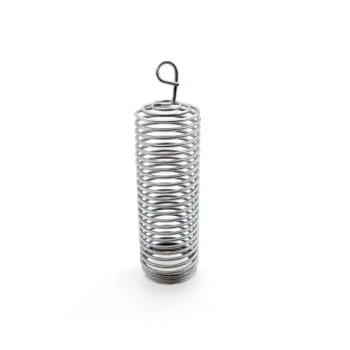
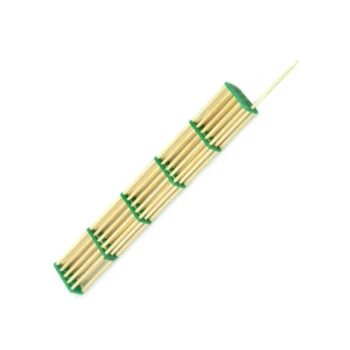
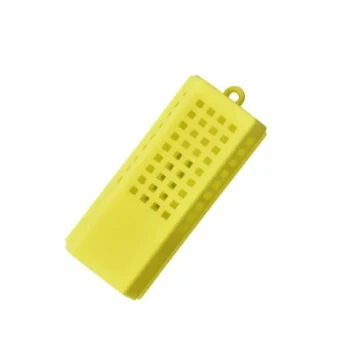
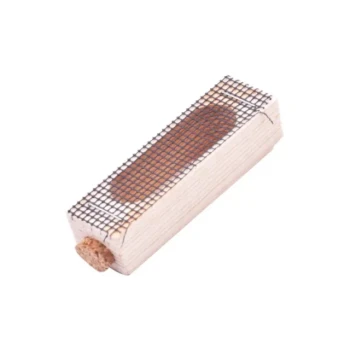
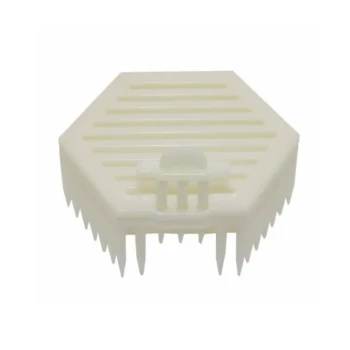
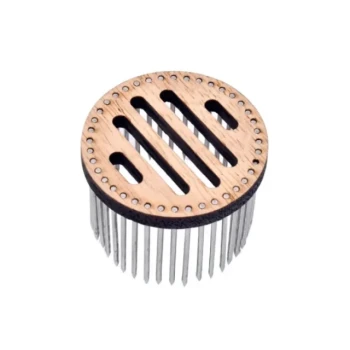
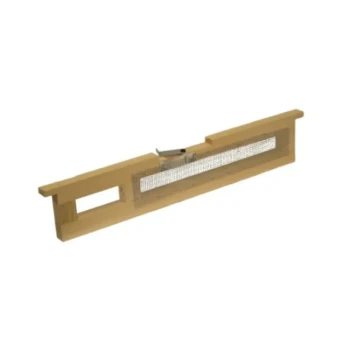
The porous feeder within a Queen Monitoring Cage (QMC) functions as a precision interface for dietary regulation. It facilitates nutritional control by utilizing dedicated ports to deliver exact quantities of water, sucrose solutions, honey, and specific pollen profiles. This design empowers researchers to dictate the specific dietary structure of worker bees, rather than relying on random foraging or general hive stores.
By isolating specific dietary inputs through dedicated ports, the porous feeder transforms the variable hive environment into a controlled setting. This precise regulation enables researchers to draw direct correlations between worker bee nutrition and the subsequent egg-laying performance of the queen.
The Mechanics of Dietary Isolation
Targeted Nutritional Delivery
The QMC feeder system moves beyond general feeding. It utilizes dedicated ports to separate different nutritional elements.
This allows for the independent administration of water, sucrose, honey, and specific pollen types. Researchers can modify one variable without altering the others.
Quantitative Precision
The primary advantage of this design is quantitative delivery. Unlike open feeding, where consumption is hard to track, the QMC allows for exact measurement.
Researchers know precisely how much of a specific nutrient the bees have accessed. This creates a rigorous dataset for nutritional analysis.
Analyzing the Biological Chain Reaction
Modulating Worker Physiology
The immediate effect of the porous feeder is strict control over the worker bees' dietary structure. The workers are the primary consumers of the provided nutrients.
By manipulating the inputs, researchers can induce specific nutritional states in the worker population.
Indirect Influence on the Queen
The ultimate goal of this control is to understand queen performance. The queen relies on the workers for her nutrition.
The QMC setup allows researchers to analyze how changes in worker nutrition indirectly influence the queen's biology, specifically her egg-laying performance.
Understanding the Trade-offs
Artificial Constraints
While the QMC offers high precision, it creates a highly artificial environment. The restrictions on movement and diet do not perfectly mimic the complex, chaotic foraging of a wild colony.
Complexity of Management
Achieving "strict control" requires rigorous maintenance. The dedicated ports must be monitored constantly to ensure delivery is consistent and that spoilage does not occur within the feeder.
Making the Right Choice for Your Research
If you are designing an experiment using a Queen Monitoring Cage, consider these applications:
- If your primary focus is Worker Physiology: Use the dedicated ports to isolate specific pollen profiles to see how distinct proteins affect worker health.
- If your primary focus is Queen Productivity: Modulate the sucrose and honey ratios delivered to workers to determine the precise caloric threshold required for optimal egg-laying.
The porous feeder is the critical link that converts vague nutritional theories into measurable, actionable data regarding colony health.
Summary Table:
| Feature | Function in Nutritional Control | Research Benefit |
|---|---|---|
| Dedicated Ports | Isolates water, sucrose, honey, and pollen | Eliminates cross-contamination of dietary variables |
| Quantitative Delivery | Enables precise measurement of nutrient intake | Provides rigorous datasets for nutritional analysis |
| Interface Design | Acts as a precision interface for workers | Directs specific dietary structures to the colony |
| Performance Link | Connects worker diet to queen output | Correlates nutrition with queen egg-laying efficiency |
Elevate Your Bee Research and Commercial Operations with HONESTBEE
At HONESTBEE, we understand that precision is the backbone of successful beekeeping, whether you are conducting rigorous laboratory research or managing a large-scale commercial apiary. Our comprehensive wholesale portfolio is designed to meet the exacting standards of distributors and professional beekeepers worldwide.
Why Partner with HONESTBEE?
- Advanced Machinery: From precision honey-filling machines to automated hive-making equipment, we provide the tools to scale your production.
- Professional Hardware: Access a full spectrum of durable beekeeping tools and Queen Monitoring Cage components designed for longevity.
- Essential Consumables: We supply a wide array of industry-standard consumables to keep your colonies thriving and your operations seamless.
- Cultural Merchandise: Expand your market reach with our unique honey-themed cultural products.
Ready to enhance your efficiency with industry-leading equipment? Contact us today to discuss your wholesale needs and let HONESTBEE deliver the specialized solutions your business deserves.
References
- Julia D. Fine, Gene E. Robinson. Quantifying the effects of pollen nutrition on honey bee queen egg laying with a new laboratory system. DOI: 10.1371/journal.pone.0203444
This article is also based on technical information from HonestBee Knowledge Base .
Related Products
- Plastic Queen Marking Tube Cage with Plunger for Beekeeping
- Professional Queen Cage with Sliding Gate and Feeder Plug
- Durable Galvanized Steel Spring Queen Bee Cage
- Professional Queen Bee Introduction and Transport Cage
- Plastic Long Marker Device for Catching and Marking Bees Queen Bee Marking Tube and Cage
People Also Ask
- What is the function of a queen marker cage? Essential Guide to Safe Beekeeping Management
- What are the functional differences between a push-in queen marking cage and a queen marking tube? Choose the Best Tool
- How do you capture and immobilize a bee for marking? Master Safe Queen Handling for Your Apiary
- What tools are available for safely marking queens? A Guide to Secure and Efficient Queen Marking
- How does a queen marking tube facilitate the marking process? Enhance Safety and Precision in Your Apiary