Regular inspection of beehive bottom boards acts as a primary diagnostic tool for identifying pest infestations without invasive colony disruption. By focusing on this specific area, beekeepers can observe the accumulation of waste and the presence of specific parasites like Tropilaelaps mites and Small Hive Beetles, enabling data-driven management decisions.
Utilizing high-specification bottom boards or sticky boards transforms a simple hive component into a precise monitoring station. This allows for the early detection of threats, serving as the professional basis for subsequent treatment processes.
Targeted Pest Detection
The bottom board captures biological evidence that naturally falls or migrates to the hive floor. This makes it an essential checkpoint for specific pests.
Monitoring Tropilaelaps Mites
These parasites are often difficult to spot within the comb structure. However, male Tropilaelaps mites remain on the bottom board for up to five days after emergence.
Checking the board regularly allows you to identify their presence during this vulnerability window. This early detection is critical for timing medicinal treatments effectively.
Locating Small Hive Beetles
Adult Small Hive Beetles exhibit specific behaviors when a hive is disturbed or opened. They frequently congregate in the corners of the bottom board to hide.
By inspecting these corners during routine checks, you can assess the severity of a beetle infestation. This visual confirmation is faster and less disruptive than dismantling the brood nest.
Enhancing Hive Hygiene and Environment
Beyond pest detection, the bottom board plays a crucial role in maintaining the environmental stability of the colony.
Managing Waste and Debris
A hygienic bottom board design allows beekeepers to easily monitor and clean colony waste. This prevents the buildup of organic matter that could harbor pathogens or attract scavengers.
Regular cleaning reduces the interference of environmental impurities. This ensures that the physiological data you observe regarding the bees is accurate and not skewed by old debris.
Improving Ventilation
The design of the bottom board directly impacts internal airflow. A clean, well-maintained board significantly improves internal hive ventilation.
Proper airflow is essential for regulating humidity and temperature. This helps prevent fungal diseases and bacterial infections that are often triggered by climate-related stressors.
Understanding the Trade-offs
While bottom board inspections are vital, relying on them exclusively requires understanding their limitations.
The Need for Specialized Tools
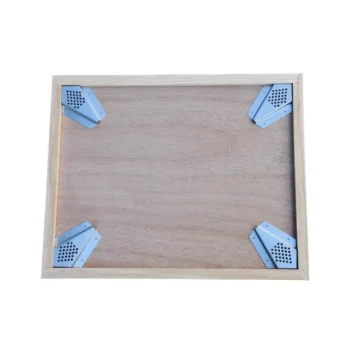
Simple visual inspection of a standard wooden floor may not be enough to catch microscopic or early-stage threats. To get accurate diagnostic information, you often need integrated sticky boards or high-specification designs.
Without these tools, wind or bee activity might clear away the evidence (mites or debris) before you inspect it, leading to a false sense of security.
Interpretation vs. Intervention
Finding pests on the board is a diagnostic step, not a cure. It serves as the basis for management, but it must be followed by precise action.
There is a risk of "analysis paralysis" where a beekeeper monitors debris but fails to implement the necessary medicinal or environmental changes. Monitoring must always trigger a predefined management protocol.
Optimizing Your Management Strategy
To effectively use bottom boards for colony health, align your inspection routine with your specific management goals.
- If your primary focus is Pest Detection: Utilize sticky boards to capture falling Tropilaelaps mites and inspect corners specifically for Small Hive Beetles to gauge infestation levels.
- If your primary focus is Disease Prevention: Prioritize hygienic bottom boards that maximize ventilation and allow for the frequent removal of waste to reduce bacterial and fungal risks.
By systematically monitoring the bottom board, you convert a passive hive component into an active shield for safeguarding pollination efficiency and honey production.
Summary Table:
| Feature | Monitoring Impact | Pest/Condition Targeted |
|---|---|---|
| Bottom Board Corners | Identifies hiding adult beetles | Small Hive Beetles |
| Sticky Board Surface | Captures fallen parasites for counting | Tropilaelaps Mites |
| Debris Accumulation | Prevents pathogen buildup | Fungal/Bacterial Diseases |
| Airflow Clearance | Regulates humidity & temperature | Climate-related Stress |
Elevate Your Commercial Beekeeping with HONESTBEE
Maximize your colony health and operational efficiency with professional-grade equipment. At HONESTBEE, we specialize in supporting commercial apiaries and distributors with a comprehensive wholesale range of beekeeping tools, specialized machinery, and essential consumables.
Whether you need high-precision hive-making machines, automated honey-filling lines, or high-specification hive components designed for superior pest monitoring and ventilation, we have the solution. Partner with us to streamline your production and safeguard your honey yield.
Ready to scale your apiary operations? Contact us today to explore our wholesale portfolio!
References
- Michael A. Brown, Medwin H. Bew. Risks to UK beekeeping from the parasitic mite<i>Tropilaelaps clareae</i>and the small hive beetle,<i>Aethina tumida</i>. DOI: 10.1080/0005772x.2002.11099558
This article is also based on technical information from HonestBee Knowledge Base .
Related Products
- Langstroth Solid Bottom Board for Beekeeping
- Solid Bottom Board Australian Pine Wood Langstroth Bottom Board for Wholesale
- Langstroth Screen Bottom Board for Beekeeping Wholesale
- HONESTBEE Top Bar & Bottom Bar Forming Machine | Bee Frame Machine
- HONESTBEE Wooden Bee Escape Board with Triangle Mesh Design for Beekeeping
People Also Ask
- What are the functions of solid bottom boards for a beehive? Essential Thermal Protection and Winter Survival Tips
- What is the purpose of a solid bottom board for bee hives? Enhance Hive Health and Winter Survival
- How does climate influence the choice between a solid and screened bottom board? Optimize Your Hive for Local Weather
- What is the primary function of a bottom board in a modern modified beehive system? Essential Foundation Guide
- What are the characteristics of a solid bottom board for a beehive? Boost Colony Health and Thermal Insulation