The scale of your apiary is the definitive factor in determining the right extraction equipment. For small-scale hobbyists focused on personal use, a manual extractor is the practical, cost-effective choice. Conversely, for large-scale businesses or operations managing substantial frame volumes, an electric extractor is essential to handle the workload efficiently.
Core Insight: The "tipping point" often lies at the ten-hive mark. While manual extractors offer affordability and control for small batches, electric models become indispensable for operations larger than ten hives, where the value of time savings and reduced physical labor outweighs the higher upfront cost.
Evaluating Small-Scale Operations
The Economy of Personal Use
For beekeepers harvesting honey strictly for personal consumption or gifting, the volume of honey rarely justifies a heavy financial investment.
A manual extractor is significantly more affordable, making it the logical entry point for those with only a few hives.
Control and Simplicity
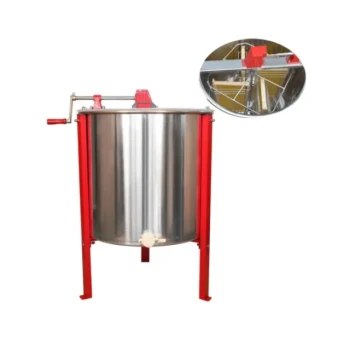
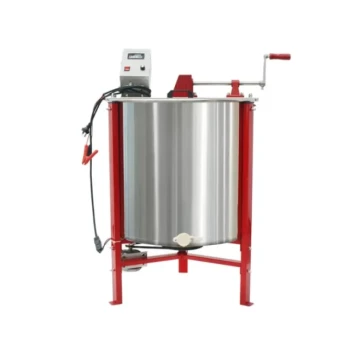
Manual extractors rely on a hand crank, offering you direct tactile feedback and control over the spinning speed.
This hands-on approach allows you to slow down immediately if you notice fragile combs beginning to break, a nuance often appreciated by hobbyists.
The Physical Reality
The primary trade-off for the lower cost is physical exertion.
You provide the power, which is manageable for small batches but becomes exhausting as the frame count increases.
When to Upgrade to Electric
The 10-Hive Threshold
Industry standards suggest that once an operation expands beyond ten hives, the efficiency of an electric extractor becomes necessary.
At this volume, the time required to hand-crank every frame becomes a bottleneck that hinders productivity.
Streamlining Business Operations
For large-scale businesses, time is money.
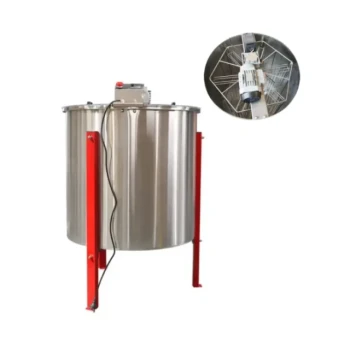
Electric extractors, particularly electric radial models, utilize a motor to spin frames consistently, allowing the beekeeper to uncap the next set of frames while the current batch spins.
Reducing Labor Fatigue
Electric models eliminate the physical burden of cranking.
This is a critical consideration for commercial beekeepers who may be processing hundreds of pounds of honey in a single session, as well as for those with physical limitations.
Understanding the Trade-offs
Cost vs. Capability
The decision ultimately forces a compromise between your budget and your time.
Electric extractors are a significantly higher financial investment, often costing several times more than manual counterparts. You are essentially paying a premium to buy back your own time and physical energy.
Maintenance and Portability
Electric units require a power source, which limits where you can perform your extraction.
Furthermore, they contain motors and electrical components that may require more complex maintenance compared to the simple mechanical gears of a manual hand crank.
Making the Right Choice for Your Goal
The best equipment is the one that aligns with your current harvest volume and your future growth plans.
- If your primary focus is keeping costs low for a small hobby: Choose a manual extractor, as it handles small batches effectively without a large upfront investment.
- If your primary focus is time efficiency and business growth: Invest in an electric extractor, particularly if you manage more than ten hives, to automate the labor-intensive spinning process.
- If your primary focus is total control over fragile combs: Consider a manual extractor, which allows you to instantly adjust speed based on the feedback from the crank.
Select the tool that respects both your budget and the physical reality of your harvest size.
Summary Table:
| Feature | Manual Honey Extractor | Electric Honey Extractor |
|---|---|---|
| Best Suitability | 1 - 10 Hives (Hobbyist) | 10+ Hives (Commercial/Professional) |
| Power Source | Manual Hand Cranking | Electric Motor |
| Upfront Cost | Low / Budget-friendly | High Investment |
| Labor Intensity | High physical effort required | Minimal (Automated spinning) |
| Key Benefit | Precise tactile control | Time efficiency & high volume processing |
| Maintenance | Simple mechanical gears | Complex electrical components |
Scale Your Honey Production with HONESTBEE
Whether you are expanding a commercial apiary or supplying the next generation of beekeepers, HONESTBEE provides the professional-grade tools you need to succeed. As a leading global supplier for distributors and large-scale operations, we offer a comprehensive range of high-efficiency electric honey-filling machines, hive-making equipment, and heavy-duty extractors designed to maximize your output and minimize labor fatigue.
From essential consumables to specialized machinery and honey-themed cultural merchandise, our wholesale solutions are tailored to help your business thrive. Contact us today to discuss how our premium beekeeping equipment can streamline your operations and drive your growth!
Related Products
- HONESTBEE 72 Frame Industrial Electric Honey Extractor for Beekeeping
- Commercial Electric 12 Frame Honey Extractor Spinner Motorized Honey Extractor
- HONESTBEE 3-Frame Manual Acrylic Honey Extractor
- electric honey extractor honey centrifuge 3 frame honey extractor stainless steel honey frame extractor
- HONESTBEE 6 Frame Self Reversing Electric Honey Extractor for Beekeeping
People Also Ask
- What is the importance of balancing honeycomb frames within a honey extractor? Ensure Stability and Protect Machinery
- How is honey separated from the frames after they are uncapped? Efficient Extraction Methods for High Yields
- What are the main benefits of using a honey extractor? Maximize Yields and Protect Your Honeycomb
- What are the recommended methods for removing honey from the honeycomb? Top Extraction Techniques for Maximum Efficiency
- How do manual honey extractors compare to electric honey extractors? Choosing the Right Tool for Your Apiary Growth