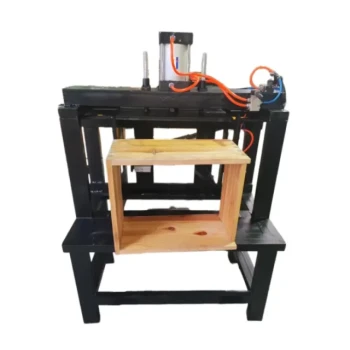
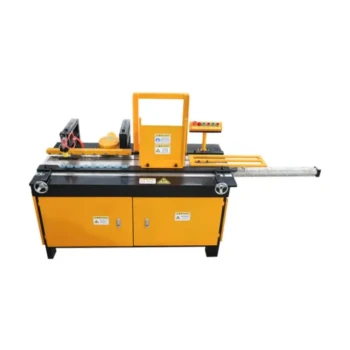
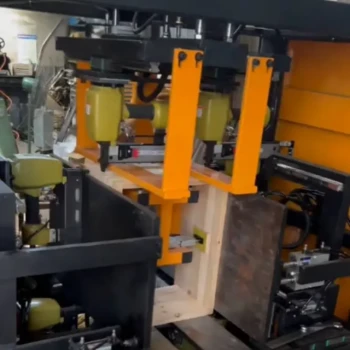
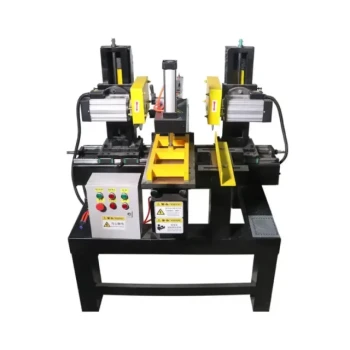
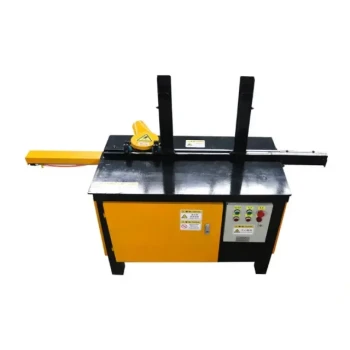
The scale of an apiary dictates the fundamental logic of its asset configuration. While hobbyist operations managing fewer than 10 hives typically rely on manual tools, commercial enterprises must transition to high-efficiency hardware to survive. This shift necessitates the adoption of specialized hive-making machinery, industrial honey-filling lines, and automated monitoring systems to support high-intensity production and industrialization.
Scale is not just about volume; it is about the necessity of standardization. As an operation grows, the primary challenge shifts from individual colony care to managing uniform equipment and ensuring product consistency for the global market.
The Hierarchy of Hardware Selection
The hardware required for beekeeping evolves distinctively as the operation expands from a backyard hobby to an industrial pursuit.
The Hobbyist Threshold
For operations with fewer than 10 hives, manual tools are sufficient. At this scale, the focus is often on learning and individual hive management rather than speed or uniformity.
The Commercial Imperative
Large-scale operations require a "high-intensity" configuration. To achieve industrialization, reliance on manual labor must be replaced by automated systems, such as Varroa monitoring and mechanized production lines.
The Role of Hive-Making Machinery
In commercial beekeeping, the hive is not just a habitat; it is a standardized industrial unit. Specialized machinery is the foundation of this approach.
Achieving Standardization and Interchangeability
Specialized machinery produces components with precise, uniform dimensions. This ensures that frames and hive bodies are fully interchangeable across the entire apiary.
Facilitating Mechanized Processes
Standardization is the prerequisite for automation. When all hive parts fit precisely, it allows for the use of mechanical honey extraction and colony rotation systems without jamming or damaging equipment.
Economic Self-Sufficiency
Investing in hive-making machinery allows operators to utilize local materials tailored to specific climates and bee species. This reduces procurement costs and creates a circular economy model, reducing dependence on external suppliers.
Rapid Expansion Capabilities
Mechanized production significantly reduces the manufacturing cycle and labor costs per unit. This allows practitioners to quickly produce large quantities of breeding containers to meet market demand or expand regional bases.
The Strategic Value of Automated Filling
As production volume increases, the bottleneck often shifts to processing. Automated filling equipment is essential for transforming raw honey into a viable commercial product.
Ensuring Hygiene and Market Access
Industrial filling lines provide the closed, hygienic processing environments required by international trade standards. This equipment transforms small-scale outputs into standardized commodities eligible for global supply chains.
Preserving Nutritional Integrity
Advanced filling machinery is designed to respect the physiological characteristics of bee products. Automated, closed systems maximize the retention of natural antioxidants and beneficial microorganisms, such as lactic acid bacteria.
Understanding the Trade-offs
Scaling up involves a shift in resource allocation that comes with inherent risks and benefits.
Capital Investment vs. Unit Cost
The move to industrial machinery requires significant upfront capital for equipment like hive-makers and filling lines. However, this investment drastically lowers the labor cost per unit and the cost of ongoing equipment replacement.
Precision vs. Flexibility
Manual tools allow for on-the-fly adjustments for irregular hive parts, but this irregularity halts industrial growth. Standardization requires rigidity; components must be precise to function in a mechanized system, minimizing disturbance to the bees.
Making the Right Choice for Your Goal
The selection of equipment should strictly align with your current operational size and your immediate growth targets.
- If your primary focus is hobbyist management (<10 hives): Rely on manual tools to minimize overhead, as industrial efficiency is unnecessary for this volume.
- If your primary focus is regional expansion: Invest in specialized hive-making machinery to lower the cost of expansion and ensure equipment interchangeability.
- If your primary focus is global export: Prioritize industrial honey-filling lines to meet strict hygiene standards and ensure product consistency for international buyers.
Successful scaling requires viewing hardware not as tools, but as an integrated infrastructure that standardizes your biological assets.
Summary Table:
| Operation Scale | Core Focus | Essential Hardware | Key Benefits |
|---|---|---|---|
| Hobbyist (<10 Hives) | Learning & Care | Manual Tools | Low overhead, high flexibility |
| Commercial (Regional) | Expansion & Efficiency | Hive-making Machinery | Standardization, lower unit costs |
| Industrial (Export) | Global Market Access | Automated Filling Lines | Hygiene compliance, high-volume consistency |
Scale Your Success with HONESTBEE
Transitioning from manual labor to industrial efficiency is the key to commercial beekeeping growth. HONESTBEE specializes in empowering commercial apiaries and distributors with high-performance beekeeping tools, machinery, and essential consumables.
Whether you need precision hive-making machines to standardize your operations or advanced honey-filling systems to meet global export standards, we provide the comprehensive wholesale solutions your business requires. Our portfolio extends from specialized hardware to honey-themed cultural merchandise, ensuring you have the infrastructure to lead the market.
Ready to industrialize your production? Contact us today to explore our wholesale offerings!
References
- Alessandra De Carolis, Junxia Song. Results of an International Survey for Risk Assessment of Honey Bee Health Concerning Varroa Management. DOI: 10.3390/app13010062
This article is also based on technical information from HonestBee Knowledge Base .
Related Products
- High-Efficiency Pneumatic Bee Hive Making Machine for Rapid Box Assembly
- Beehive Handle and Frame Rest Cutting Machine: Your Specialized Hive Machine
- Mini Desktop Bee Hive Frame Forming Making Machine
- Automatic High-Speed Bee Hive Box Stapling Machine
- Beehive Machine Double End Saw for Precision Hive Component Manufacturing
People Also Ask
- How does the introduction of professional beehive-making machinery benefit sustainable beekeeping? Scale Your Apiary
- Why is specialized beehive-making machinery critical for low-defense breeding? Enhance Selection with Precision Tools
- How does the introduction of specialized beehive making machinery contribute to increasing the scale of regional beekeeping industries?
- What is the importance of specialized beehive making machinery in a circular bio-economy? Build Local Sustainability
- Why is specialized beehive-making machinery essential? Scale Your Apiary with Precision Industrial Standards