The genetic lineage of your queen acts as the primary biological lever for controlling Varroa destructor levels within a commercial apiary. By selecting specific superior subspecies, you directly regulate the colony's spring development speed, its hygienic behavior, and its innate ability to suppress mite reproduction. This biological foundation dictates the initial mite load and ultimately determines the health status of your hives as they enter the critical autumn season.
While chemical treatments and mechanical tools offer external control, the selection of the queen establishes the colony's internal "immune system." Choosing the right subspecies reduces the mite population growth rate naturally, lessening the burden on subsequent interventions.
The Biological Mechanisms of Resistance
Hygienic Behavior and Sanitation
The selection of specific subspecies introduces distinct behavioral traits, most notably hygienic behavior.
Worker bees from these lineages are genetically predisposed to detect and remove mite-infested pupae from the brood nest.
By removing the host before the mite completes its reproductive cycle, the colony effectively interrupts the exponential growth of the parasite population.
Suppressing Mite Reproduction
Beyond simple removal, certain superior subspecies possess the ability to suppress Varroa mite reproduction entirely.
This biological trait inhibits the mites' ability to lay viable eggs or produce mature offspring within the sealed brood cell.
Consequently, the overall mite population grows significantly slower than it would in colonies headed by unselected queens.
Regulating Spring Development
The genetic background of the queen dictates the speed of the colony's spring development.
A controlled or specific rate of brood production can limit the availability of "mite refuges" (sealed brood cells) at critical times.
This regulation ensures that the mite population does not explode alongside the bee population during the early flows.
The Impact on Apiary Management
Setting the Baseline for Autumn Health
The choice of queen has a cumulative effect that becomes most visible leading into the autumn season.
By suppressing mite reproduction throughout the spring and summer, the colony arrives at the end of the season with a significantly lower initial mite load.
This ensures that the "winter bees"—those responsible for colony survival through the cold months—are raised in a healthier, low-virus environment.
Synergy with Control Tools
While genetics provide a baseline defense, they work in tandem with mechanical and chemical interventions.
Supplementary tools, such as queen caging grids that force a 25-day brood-less state, are more effective when the starting mite load is already suppressed by genetics.
Similarly, when mite levels are naturally lower, professional chemical dosing kits can be used more strategically, rather than as emergency rescue measures.
Understanding the Trade-offs
Genetics is Not a Silver Bullet
Relying solely on queen selection is rarely sufficient to eliminate Varroa entirely.
Even with superior subspecies, external environmental pressure and drifting bees from failing hives can reintroduce mites.
The Necessity of Monitoring
High-quality genetics do not negate the need for standardized use of control consumables.
You must still utilize precision dosing and application tools to maintain biosecurity, as untreated mites weaken immunity and transmit viruses regardless of the queen's lineage.
Making the Right Choice for Your Goals
To maximize the effectiveness of your Varroa control strategy, align your queen selection with your management style:
- If your primary focus is natural resilience: Prioritize subspecies with high hygienic behavior scores to naturally break the mite reproductive cycle and reduce chemical dependency.
- If your primary focus is commercial production: Select queens with regulated spring development speeds to balance honey production with manageable mite growth rates.
- If your primary focus is Integrated Pest Management (IPM): Combine superior genetics with mechanical interventions (like queen caging) to expose mites to treatment while maintaining a robust workforce.
The most effective Varroa control strategy begins not with a chemical treatment, but with the genetic decision you make when selecting your queen.
Summary Table:
| Mechanism | Impact on Varroa Control | Primary Benefit |
|---|---|---|
| Hygienic Behavior | Detection and removal of infested pupae | Interrupts mite reproductive cycle |
| Reproduction Suppression | Inhibits mite egg-laying and maturation | Lowers overall population growth rate |
| Spring Development Rate | Regulates available brood (mite refuges) | Prevents mite population explosions |
| Autumn Health Baseline | Ensures healthy winter bee development | Increases colony overwintering success |
Elevate Your Commercial Beekeeping with HONESTBEE
Building a resilient apiary starts with the right biological foundation, but maintaining it requires professional-grade precision. HONESTBEE specializes in supporting commercial apiaries and distributors with a comprehensive wholesale portfolio.
From advanced hive-making and honey-filling machinery to specialized beekeeping tools and high-quality industry consumables, we provide everything you need to implement a robust Integrated Pest Management (IPM) strategy. Let us help you combine superior queen genetics with the industry's most reliable hardware and cultural merchandise.
Ready to scale your production and secure your colony health?
Contact HONESTBEE Today for Wholesale Solutions
References
- Szymon Smoliński, Adam Głazaczow. Raised seasonal temperatures reinforce autumn Varroa destructor infestation in honey bee colonies. DOI: 10.1038/s41598-021-01369-1
This article is also based on technical information from HonestBee Knowledge Base .
Related Products
- Twin Queen Styrofoam Honey Bee Nucs Mating and Breeding Box
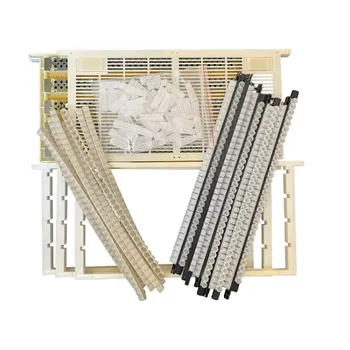
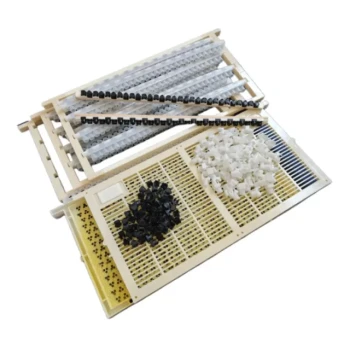
- HONESTBEE Improved No Grafting Queen Rearing Kit For Queen Rearing and Royal Jelly Production
- Stainless Steel Beekeeping Queen Grafting Tool for Honey Bee Rearing
- Automatic Heat Preservation 6 Frame Pro Nuc Box for Honey Bee Queen Mating
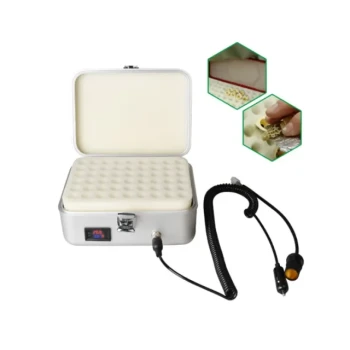
- Portable Queen Bee Incubator with 12V Car Adapter for Safe Transport
People Also Ask
- What are the benefits of using double nuc boxes in beekeeping? Boost Apiary Resilience & Growth
- What are the practical advantages of a double nuc box? Maximize Efficiency with Standardized Beekeeping Gear
- What is the frame capacity of each side in a double nuc box? Master Queen Rearing & Colony Starts
- What are the advantages of double nuc boxes in winter? Boost Survival Rates & Apiary Resilience
- What is the purpose of exploring double nuc boxes in beekeeping? Boost Apiary Resilience & Growth