The shift to modern frame or box hives changes beekeeping from a largely passive activity into a managed production system. Beekeepers gain regular access to colonies, movable combs, non-destructive harvesting, improved pest and disease monitoring, and better control over honey quality. In turn, apiaries require a broader, standardized equipment portfolio—from hive bodies and frames to protective gear, extraction machinery, and maintenance supplies—creating substantially higher demand for reliable commercial sourcing.
Traditional hives require less equipment but limit inspection, control, and scalable production. Modern frame hives increase management responsibilities, yet they enable higher productivity, cleaner harvesting, standardized operations, and stronger demand for specialized apiary equipment.
How Apiary Management Changes
From limited inspection to routine colony management
Traditional hives often provide limited access to the colony. This makes it difficult to assess brood development, food stores, queen performance, pests, or disease without disturbing or damaging the hive.
Modern frame hives allow beekeepers to remove and inspect individual frames. This supports structured inspections and enables corrective actions such as swarm control, targeted feeding, pest monitoring, and colony-strength management.
From destructive harvesting to reusable comb
In many traditional systems, honey harvesting can damage or destroy comb and may significantly disturb the colony. This reduces the hive’s ability to resume production efficiently.
Movable frames enable honey removal while preserving the comb structure. The colony can return to a prepared, reusable production system, improving harvesting efficiency and reducing unnecessary colony disruption.
From subsistence production to standardized workflows
Traditional hives can vary significantly in size, shape, and construction material. That variation makes inspection, transport, harvesting, and record-keeping more difficult.
Modern box hives introduce standardized dimensions and repeatable procedures. Commercial apiaries can organize colonies by hive type, schedule inspections, train staff consistently, and compare production performance more effectively.
From uncertain quality to controlled harvesting
Limited access to traditional hives can make it harder to separate mature honey, inspect comb condition, and maintain clean harvesting practices.
Modern systems support cleaner extraction and more controlled handling. This improves the apiary’s ability to produce marketable honey that is more consistent in quality and better suited to commercial buyers.
Why Equipment Demand Increases
More hive hardware is required per colony
A modern hive is not simply a box. It normally requires coordinated components such as hive bodies, supers, frames, foundation sheets, covers, floors, and other standardized hardware.
As apiaries convert more colonies, demand rises across the entire hive-equipment chain. Buyers often need complete systems rather than isolated parts, making compatibility and one-stop sourcing especially important.
Beekeepers need specialized management tools
Routine frame inspection requires tools that are less important in traditional hive systems. Common requirements include:
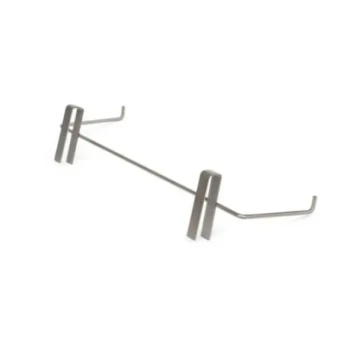
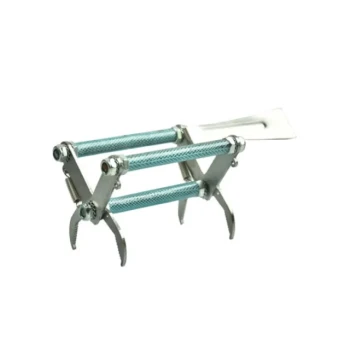
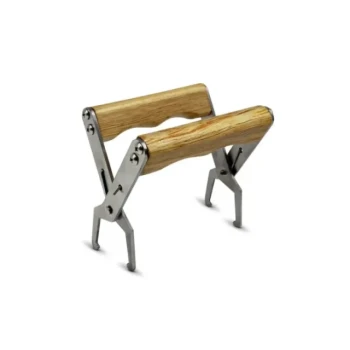
- Hive tools for separating and lifting frames.
- Smokers for managing bee behavior during inspections.
- Protective suits, veils, and gloves for safer handling.
- Feeders and related accessories for targeted colony support.
- Brushes and small handling tools for controlled manipulation.
These products create recurring demand because they are used across inspections, maintenance, harvesting, and workforce training.
Honey-processing equipment becomes essential
Once colonies produce more harvestable honey, manual processing can become a capacity constraint. Modern apiaries may require equipment such as:
- Uncapping tools or machines
- Honey extractors
- Strainers and filtration equipment
- Settling and storage tanks
- Food-grade containers
- Bottling and packaging equipment
The equipment requirement therefore extends beyond the apiary itself into post-harvest processing, quality control, storage, and fulfillment.
Hive-making and local production equipment support scale
Large transition programs may need to manufacture or assemble standardized hives locally. This increases demand for hive-making machinery, frame components, woodworking capacity, and repeatable production methods.
For distributors and wholesalers, this creates two related opportunities: supplying finished hive systems and supplying the tools and components required for local production and repair.
How the Business Model of an Apiary Evolves
More output requires stronger operational planning
Modern hives can improve productivity by making colony management and harvesting more effective. However, higher production also requires planning for inspection schedules, equipment availability, labor capacity, transport, and storage.
The apiary must be managed as an integrated operation rather than as a collection of individual hives. Equipment shortages during peak flowering or harvesting periods can directly limit the value of the upgrade.
Standardization improves purchasing and service
When hive dimensions and components are standardized, operators can maintain consistent inventories of replacement frames, foundation, protective equipment, and processing parts.
This simplifies procurement and makes it easier for distributors to offer compatible product portfolios. It also improves customer service because buyers can reorder known specifications instead of repeatedly custom-matching irregular equipment.
Training becomes part of the equipment transition
Modern equipment does not automatically produce better results. Beekeepers must understand frame placement, inspection methods, swarm control, disease monitoring, harvesting, cleaning, and equipment maintenance.
Suppliers that combine products with technical guidance, responsive support, and clear fulfillment processes provide more value than suppliers offering disconnected items.
Understanding the Trade-offs
Higher productivity comes with higher operating requirements
Traditional hives are often inexpensive and simple to construct. Modern systems require greater initial investment in hive components, tools, protective equipment, and processing machinery.
The economic benefit depends on correct management, colony health, local forage conditions, labor capability, and access to markets that reward better-quality honey.
Equipment compatibility cannot be overlooked
A frame, foundation sheet, hive body, and accessory must match the selected hive standard. Incompatible dimensions can create gaps, prevent proper frame placement, or force costly modifications.
Distributors should therefore organize products around complete compatible systems and clearly communicate specifications before order fulfillment.
Modern systems require maintenance and replacement stock
Frames, foundation, protective clothing, smokers, extraction equipment, and storage containers experience wear over time. Equipment may also be damaged during transport, cleaning, or seasonal use.
Reliable supply of replacement parts is therefore as important as the initial sale. A strong supplier should support both expansion orders and routine replenishment.
Rapid scaling can expose operational weaknesses
Expanding from traditional hives to many modern colonies increases the need for trained labor, inspection records, transport capacity, extraction throughput, and hygienic handling.
If the apiary purchases hives without planning the supporting workflow, bottlenecks can move from the colony to harvesting or processing. The transition should be treated as a phased operational upgrade.
What This Means for Equipment Suppliers
Offer a full-spectrum product portfolio
Customers transitioning to modern hives commonly need several product categories at once. A practical portfolio should cover hive systems, frame components, foundation, management tools, protective equipment, harvesting machinery, storage, and packaging.
A one-stop sourcing model reduces coordination effort and lowers the risk of mismatched components.
Prioritize responsiveness during seasonal demand
Beekeeping purchases are often linked to colony buildup, flowering seasons, harvesting windows, and expansion programs. Delayed delivery can cause customers to miss critical management or harvesting periods.
Fast quotations, accurate inventory information, efficient order processing, and ultra-fast delivery are therefore operational advantages rather than merely service features.
Support different customer scales
Small beekeepers may need starter kits and replacement components. Commercial apiaries may require bulk hive systems, processing lines, machinery, and scheduled replenishment.
Distributors and wholesalers should provide scalable configurations while preserving standardization across the product range.
Build trust through technical service
Professional expertise helps customers select compatible equipment, estimate accessory requirements, plan replacement stock, and avoid purchasing gaps.
Dedicated customer service is particularly valuable during large transitions, where the buyer is changing both the physical equipment and the management method.
Making the Right Choice for Your Goal
The best transition plan matches equipment investment with the apiary’s production, labor, and market objectives.
- If your primary focus is higher honey productivity: Prioritize standardized movable-frame hives, inspection tools, colony-management equipment, and non-destructive harvesting systems.
- If your primary focus is commercial honey quality: Invest in clean extraction, filtration, food-grade storage, and controlled handling equipment.
- If your primary focus is apiary expansion: Establish a compatible full-hive system, secure replacement frames and foundation, and plan procurement around seasonal demand.
- If your primary focus is supplying transition programs: Offer a complete portfolio supported by technical guidance, rapid response, reliable fulfillment, and scalable order quantities.
- If your primary focus is lowering long-term operating friction: Standardize hive dimensions and source compatible equipment from dependable suppliers with strong after-sales support.
A well-planned move to modern frame hives turns better colony control into a scalable, higher-quality, and more equipment-intensive apiary business.
Summary Table:
| Aspect | Traditional Hives | Modern Frame/Box Hives |
|---|---|---|
| Inspection | Limited access, disruptive | Regular frame-level inspection |
| Harvesting | Destructive, comb damage | Non-destructive, reusable comb |
| Standardization | Variable sizes | Standardized components |
| Equipment Needs | Minimal | High: hives, tools, processing equipment |
| Management | Passive, low control | Active, high control |
| Productivity | Lower, less scalable | Higher, scalable |
Ready to modernize your apiary? HONESTBEE offers a comprehensive range of beekeeping tools, machinery, and supplies to support your transition. From hive components to honey processing equipment, we provide one-stop sourcing, fast delivery, and expert support. For distributors and commercial apiaries, we offer competitive margins, OEM/ODM services, and reliable supply. Contact us today to discuss your needs and elevate your beekeeping operation!
Related Products
- Professional Observation Hive: The Ultimate Portable Solution for Beekeeping Education, Exhibitions, and Colony Displays
- Automatic Heat Preservation 6 Frame Pro Nuc Box for Honey Bee Queen Mating
- 5 Frame Wooden Nuc Box for Beekeeping
- Portable Bee Mating Hive Boxes Mini Mating Nucs 8 Frames for Queen Rearing
- Wooden Bee Hive Frames for Beekeeping and Wholesale
People Also Ask
- How does transitioning to modern hives boost honey yield? Increase production and product quality for your commercial apiary
- How do Langstroth and Dadant standard beehives compare regarding brood chamber management and component compatibility? Find the Perfect Fit for Your Apiary
- What are the key operational differences and structural trade-offs between Langstroth beehives and top-bar beehives for apiary management? Discover which hive system fits your operational needs.
- What are the primary differences between Langstroth, horizontal top bar, and Warré hive box designs when selecting beekeeping equipment? Choose the Right Hive for Your Apiary
- Why do commercial apiary operators transition from traditional hive structures, such as clay cylinders, to standardized Langstroth hive boxes? Discover Scalable Beekeeping Solutions