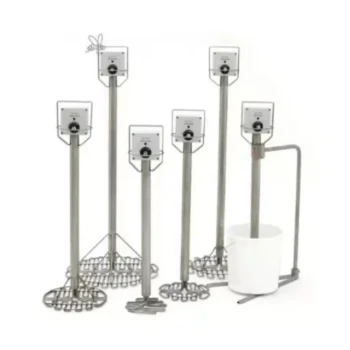
Artificial heating drying equipment fundamentally outperforms traditional open-air methods by providing a controlled, high-speed dehydration process that ensures product safety. While traditional methods rely on unpredictable environmental conditions, artificial heating creates a stable high-temperature environment capable of reducing moisture content from 20-30% to below 8% in approximately two hours.
Core Takeaway The shift from open-air to artificial drying is not just about speed; it is a critical safety measure. The primary value of artificial heating is the inhibition of toxigenic fungi, effectively preventing the formation of harmful metabolites like Aflatoxin B1 which frequently contaminate open-air dried pollen.
The Critical Importance of Controlled Drying
The difference between artificial and open-air drying lies in the ability to control environmental variables. By regulating temperature and airflow, artificial methods mitigate the biological risks inherent in traditional processing.
Rapid Moisture Reduction
Artificial heating equipment is engineered to accelerate dehydration significantly. It can drive moisture levels down from a raw state of 20-30% to a safe level of below 8% in roughly two hours.
Inhibiting Fungal Growth
Traditional open-air drying leaves moist substrates exposed for extended periods, creating a breeding ground for contaminants. The controlled environment of artificial equipment inhibits the proliferation of toxigenic fungi by removing moisture before these organisms can establish themselves.
Ensuring Biological Safety
The most significant advantage of artificial heating is the prevention of toxic byproducts. Rapid drying stops the formation of harmful metabolites, specifically Aflatoxin B1, ensuring the biological safety of the bee pollen for consumption.
Advanced Artificial Technologies
While standard artificial heating offers speed and safety, specific equipment types provide unique advantages for functional product development.
Microwave Drying Efficiency
Microwave equipment utilizes electromagnetic waves to heat water molecules internally and externally simultaneously. This method is significantly faster than traditional hot air and can increase the extraction rate of protein components by altering the pollen's microstructure.
Vacuum Freeze-Drying Preservation
For maximum quality, vacuum freeze-dryers operate via sublimation in a low-temperature, reduced-pressure environment. This prevents the structural collapse of pollen grains and protects heat-sensitive bioactive components from the thermal degradation that can occur during conventional heating.
Understanding the Trade-offs
While artificial methods are superior for safety, it is important to understand the nuances of different heating technologies to avoid unintended quality loss.
Thermal Degradation Risks
Standard artificial heating ensures safety, but high temperatures can potentially degrade sensitive nutrients. Vacuum freeze-drying avoids this by maintaining a low temperature, though it is likely a slower and more expensive process than hot air drying.
Structural Alterations
Microwave drying is highly efficient but physically alters the microstructure of the pollen wall. While this aids in protein extraction, it represents a deviation from the pollen's natural state that must be considered depending on your final product goals.
Making the Right Choice for Your Goal
Selecting the right drying method depends on balancing biological safety with the specific functional properties you wish to preserve in the final product.
- If your primary focus is biological safety and speed: Prioritize standard artificial heating equipment to rapidly eliminate moisture and prevent Aflatoxin B1 formation.
- If your primary focus is protein extraction: Consider microwave drying, as it alters the pollen microstructure to improve the availability of protein components.
- If your primary focus is nutrient preservation: Utilize vacuum freeze-drying to protect heat-sensitive bioactive ingredients and maintain the physical structure of the grain.
Artificial drying is the only viable method for ensuring a contaminant-free commercial product; the specific equipment you choose simply refines the quality of that output.
Summary Table:
| Drying Method | Processing Time | Moisture Control | Safety & Contaminant Risk | Bioactive Preservation |
|---|---|---|---|---|
| Open-Air Drying | Days (Unpredictable) | Poor / Dependent on Weather | High Risk (Fungi/Aflatoxins) | Low (Due to oxidation) |
| Artificial Heating | ~2 Hours | Excellent (Below 8%) | High Safety (Inhibits Fungi) | Moderate (Heat sensitive) |
| Microwave Drying | Very Fast | Excellent | High Safety | High (Boosts protein extraction) |
| Vacuum Freeze-Drying | Slow | Superior | Maximum Safety | Superior (Protects nutrients) |
Elevate Your Bee Pollen Production with HONESTBEE
Transitioning from traditional methods to professional drying equipment is essential for ensuring product safety and marketability. HONESTBEE specializes in supporting commercial apiaries and global distributors with a robust selection of beekeeping machinery and tools.
From high-efficiency pollen drying equipment and honey-filling machines to specialized hive-making hardware, we provide the industrial-grade solutions you need to scale your operations and eliminate biological risks like Aflatoxin B1.
Ready to upgrade your processing line?
Contact us today to discuss your wholesale equipment needs!
References
- Tanja Petrović, Vesna Krnjaja. Natural mycobiota and aflatoxin B1 presence in bee pollen collected in Serbia. DOI: 10.2298/bah1404731p
This article is also based on technical information from HonestBee Knowledge Base .
Related Products
- High Quality Honey Dehumidifier Dryer Thickening Machine for Beekeeping
- Heavy-Duty Ergonomic Grip Galvanized Pollen Shovel
- Plastic Bee Pollen Trap Strips Comb Catcher Collector
- Professional Stainless Steel Honey Filtering Machine with Water Bath Heating for Beekeeping
- 0.5T Capacity Honey Dehumidifier Dryer with Vacuum Heating and Thickening Filtering Machine
People Also Ask
- Can you dehumidify honey? A Beekeeper's Guide to Preventing Fermentation
- How to dry up honey? The Safe Guide to Stabilizing Honey and Preventing Fermentation
- How can the moisture content of honey be reduced? A Guide to Safe, Effective Drying Methods
- How to remove humidity from honey? Protect Your Harvest from Fermentation
- How to decrease moisture in honey? Prevent Fermentation and Ensure Long-Term Quality