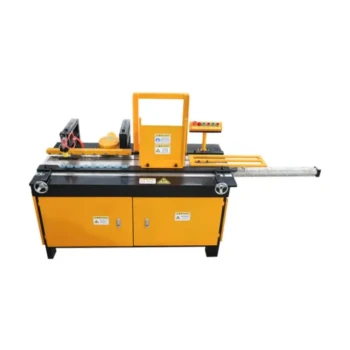
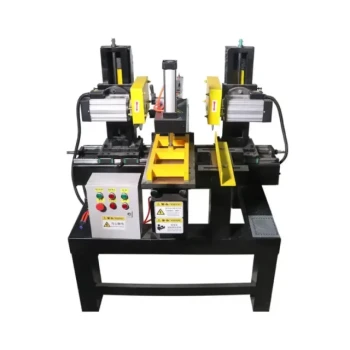
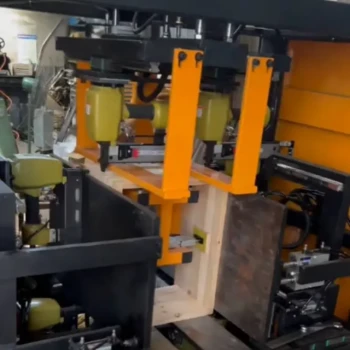
Industrial hive-making machines function as the operational backbone of scalable apiary management by automating the production of standardized hives with exacting specifications. This precision manufacturing ensures that every component is uniform and interchangeable, which eliminates the logistical bottlenecks associated with manual equipment matching and significantly streamlines colony transport and maintenance.
The transition to industrial hive manufacturing shifts apiary management from artisanal variation to mass-scale efficiency. By guaranteeing component interchangeability and superior thermal protection, these machines remove the physical and environmental variables that typically limit operation growth.
The Strategic Value of Standardization
Achieving Component Interchangeability
The primary contribution of industrial hive-making machines is the creation of uniform components.
Because these machines adhere to precise specifications, parts such as supers, frames, and lids become universally interchangeable. This eliminates the time wasted searching for "matching" parts during field operations, allowing apiarists to replace damaged components instantly.
Streamlining Large-Scale Logistics
Standardization is critical when managing thousands of colonies.
Uniform hive dimensions allow for efficient stacking and palletizing, which simplifies the transport of colonies for pollination contracts or honey flows. When every hive has the exact same footprint, logistics become predictable and scalable.
Simplifying Pest Inspections
Routine maintenance relies on speed and consistency.
With standardized equipment, apiary workers face fewer physical variables when dismantling hives for inspection. This consistency allows for faster detection of pests and diseases, ensuring that scaling up does not compromise colony health monitoring.
Enhancing Environmental Resilience
Precision Sealing Capabilities
Industrial machines achieve manufacturing tolerances that manual construction rarely matches.
This precision results in superior sealing between hive bodies. Tighter joints prevent unwanted drafts and moisture ingress, creating a more stable internal environment for the bees.
Thermal Insulation and Energy Efficiency
A well-sealed hive directly impacts the colony's energy budget.
By providing better thermal insulation, precision-manufactured hives protect colonies against extreme climate variations. This allows bees to conserve energy that would otherwise be spent on heating or cooling the hive, redirecting that energy toward survival and production.
Understanding the Trade-offs
The Requirement for Uniform Standards
While industrialization offers efficiency, it demands a strict adherence to a specific system.
Adopting industrial hive-making implies a commitment to a single standard of measurement and component style. To maintain the benefits of interchangeability, an operation must ensure that all future equipment purchases or manufacturing runs align perfectly with the established industrial specifications, reducing the flexibility to mix and match with non-standard gear.
Making the Right Choice for Your Goals
To determine if industrial hive-making machinery is the right investment for your operation, consider your immediate objectives:
- If your primary focus is rapid operational expansion: Prioritize machines that guarantee total component interchangeability to minimize labor during inspections and transport.
- If your primary focus is colony survival in harsh climates: Focus on the machinery's ability to produce precision-sealed joints to maximize thermal insulation and reduce colony stress.
Standardization is not just a convenience; it is the prerequisite for transforming beekeeping from a craft into a scalable industry.
Summary Table:
| Key Feature | Impact on Scaling | Primary Benefit |
|---|---|---|
| Component Uniformity | Eliminates manual matching & sorting | Instant replacement and easier field maintenance |
| Standardized Dimensions | Optimizes palletizing & stacking | Streamlined transport for pollination and honey flows |
| Precision Sealing | Enhances hive thermal protection | Higher colony survival rates and increased production |
| Automated Production | Replaces artisanal variation | Mass-scale efficiency and predictable operational growth |
Scale Your Apiary with HONESTBEE’s Industrial Solutions
Transitioning from manual labor to industrial efficiency is the key to global competitiveness. At HONESTBEE, we specialize in empowering commercial apiaries and distributors with high-performance hive-making machines, honey-filling lines, and a full spectrum of professional beekeeping tools.
Our equipment ensures the precision and durability required to maintain standardized operations, reduce colony stress, and maximize honey output. Whether you are expanding your commercial colony count or sourcing high-quality beekeeping machinery for wholesale, we provide the hardware and industry expertise to help you succeed.
Ready to industrialize your honey production? Contact us today to explore our comprehensive machinery portfolio and wholesale offerings!
References
- Dimelu Mabel Ukamaka, Nwuba Loveth Eberechukwu. Indigenous climate change adaptation strategies used by Honey Producers in rural communities of Enugu State, Nigeria. DOI: 10.4314/jae.v22i2.16
This article is also based on technical information from HonestBee Knowledge Base .
Related Products
- High-Efficiency Pneumatic Bee Hive Making Machine for Rapid Box Assembly
- Beehive Handle and Frame Rest Cutting Machine: Your Specialized Hive Machine
- Automatic Finger Joints Joint Making Machine for Bee Box and Hive Making
- Beehive Machine Double End Saw for Precision Hive Component Manufacturing
- Mini Desktop Bee Hive Frame Forming Making Machine
People Also Ask
- How does the introduction of professional beehive-making machinery benefit sustainable beekeeping? Scale Your Apiary
- Why is specialized beehive-making machinery critical for low-defense breeding? Enhance Selection with Precision Tools
- How does the introduction of specialized beehive making machinery contribute to increasing the scale of regional beekeeping industries?
- What is the importance of specialized beehive making machinery in a circular bio-economy? Build Local Sustainability
- Why is specialized beehive-making machinery essential? Scale Your Apiary with Precision Industrial Standards