Mobile beekeeping equipment functions as a precision agriculture tool that directly amplifies crop productivity by converting pollination from a passive event into a controlled service. By enabling the strategic relocation of hives to specific fields such as coffee, beans, and corn during peak flowering windows, this technology ensures high-density pollination coverage, leading to measurable increases in seed set rates and overall agricultural output per unit area.
Mobile units transform pollination from an unpredictable natural variable into a manageable asset. By deploying healthy colonies exactly where and when they are needed, agricultural operations can secure genetic diversity and maximize yields even in the absence of wild pollinators.
Driving Yields Through Precision Deployment
Targeting Peak Flowering Windows
The primary advantage of mobile equipment is the ability to synchronize bee activity with crop biology. Beekeepers can transport and station units near crops immediately before they enter their most critical flowering stages.
Enhancing Genetic Diversity and Quality
Controlled pollination does more than just trigger fruit growth; it significantly improves the genetic diversity of the harvest. According to primary data, this precise intervention increases seed set rates, serving as a vital technical guarantee for higher output.
Increasing Output Per Unit Area
Mobile hives allow for high-density colony placement that static apiaries cannot match. This saturation ensures that foraging bees visit a higher percentage of blooms, effectively squeezing more productivity out of the same amount of land.
Optimizing Pollination Efficiency
Overcoming Wild Pollinator Shortages
Mobile fleets act as "biological hardware" that compensates for the decline or inconsistency of local wild pollinator populations. This is particularly crucial for crops like alfalfa and orchard fruits, where a lack of insects would result in crop failure.
Protection from Environmental Threats
Professional mobile facilities provide a shield against adverse weather that would otherwise ground the bees. Furthermore, the mobility allows for rapid evacuation of colonies from areas scheduled for chemical pesticide applications, preserving the workforce.
Reducing Labor through Standardization
Modern mobile systems utilize standardized hives and specialized lifting machinery. This significantly reduces the physical labor required to move colonies, allowing beekeepers to manage larger, healthier populations with greater efficiency.
Understanding the Strategic Shift
From Product to Service
Adopting mobile equipment changes the fundamental business model of an apiary. It transitions the operation from simple product manufacturing (honey production) to a high-value agricultural service provider, diversifying income sources.
The Requirement for Scientific Management
Mobility is not just about transportation; it requires professional intervention to maintain colony health. Beekeepers must use inspection tools to monitor the stress of transport and ensure the bees remain robust enough to perform high-intensity pollination work.
Making the Right Choice for Your Goal
- If your primary focus is increasing crop yield: Prioritize the timing of deployment to coincide exactly with peak bloom to maximize cross-pollination and fruit set rates.
- If your primary focus is beekeeping business growth: Invest in specialized transport and lifting machinery to transition from selling honey to selling pollination services.
By leveraging mobile equipment, you convert the biological necessity of pollination into a scalable, controllable factor of production.
Summary Table:
| Key Benefit | Impact on Agricultural Output | Strategic Value |
|---|---|---|
| Precision Deployment | Synchronizes bee activity with peak flowering windows. | Maximizes seed set rates and fruit growth. |
| High-Density Placement | Increases blossom visitation rates per unit area. | Optimizes land productivity and yield per acre. |
| Environmental Safety | Allows rapid relocation away from pesticide zones. | Preserves colony health and pollinator workforce. |
| Standardization | Reduces manual labor through specialized machinery. | Enables scaling to professional pollination services. |
Elevate Your Agricultural Output with HONESTBEE Precision Equipment
Are you ready to transition from traditional beekeeping to a high-value pollination service? HONESTBEE empowers commercial apiaries and distributors with the professional tools needed to master mobile beekeeping. From specialized hive-making and honey-filling machinery to high-durability hardware and essential consumables, we provide the full spectrum of equipment required to scale your operations.
Partner with us to supply your clients with the 'biological hardware' necessary for superior crop yields. Contact HONESTBEE today to explore our wholesale catalog and discover how our comprehensive beekeeping solutions can drive your business growth.
References
- Gileard Minja, Theresia J. Nkumilwa. The Role Of Beekeeping On Forest Conservation And Poverty Alleviation In Moshi Rural District,Tanzania. DOI: 10.19044/esj.2016.v12n23p366
This article is also based on technical information from HonestBee Knowledge Base .
Related Products
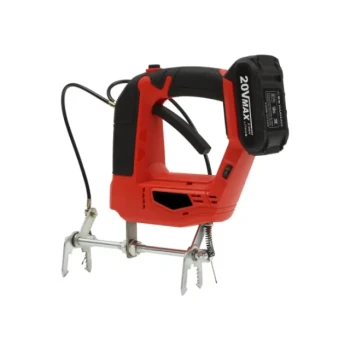
- High Performance Cordless Electric Bee Shaker for Beekeeping
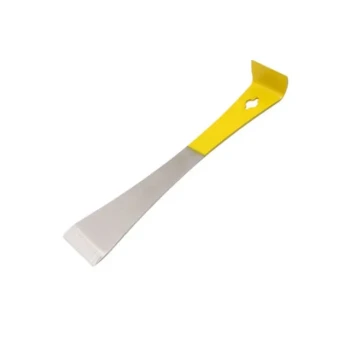
- HONESTBEE Professional Mini J-Hook Hive Tool for Beekeeping
- Stainless Steel J Hook Hive Tool for Beekeeping
- Miniature Stainless Steel Bee Smoker for Beekeeping
- HONESTBEE 15-in-1 Beekeeper Multi-Tool with Hammer and Pliers for Beekeeping
People Also Ask
- Why is the use of a bee shaker and alcohol wash necessary? Master Accurate Varroa Mite Monitoring
- What role do efficient auxiliary tools play in managing labor resources? Maximize Apiary Output & Labor Efficiency
- What should be done with the bee sample after conducting a varroa mite count with a shaker? Post-Test Care Guide
- What is an electric bee smoker? A Guide to Automated Hive Management
- What is the function of a high-performance bee smoker in commercial apiary management? Maximize Safety & Efficiency