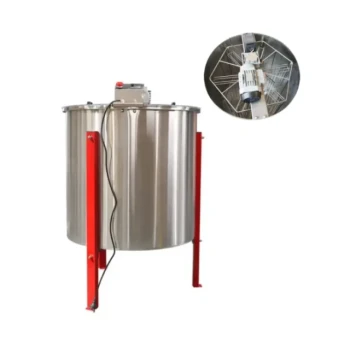
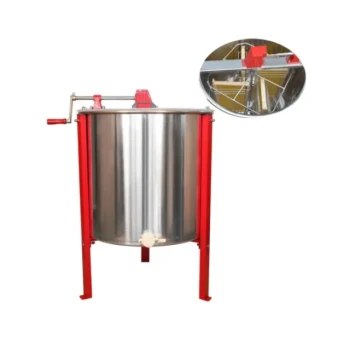
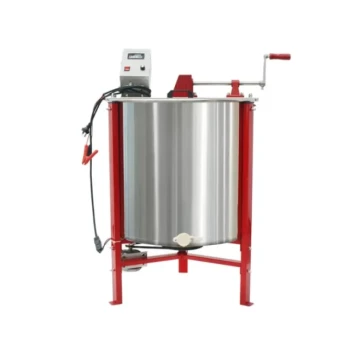
Centrifugal force is the primary mechanism used to remove honey from uncapped frames. The frames are secured inside a device called a honey extractor, often referred to as a spinner. As the device rotates, the physical force pulls the liquid honey out of the open cells and onto the inner walls of the drum, where it drains to the bottom for collection.
The use of an extractor is the industry standard because it separates the liquid honey from the frame without destroying the wax comb. This allows the structural foundation to be returned to the hive for immediate reuse by the bees.
The Mechanics of Extraction
The Role of the Extractor
An extractor is a cylindrical drum equipped with a rotating basket or cage in the center.
Uncapped frames are loaded vertically into this basket. The machine is designed to hold the frames securely in place during rapid rotation.
Utilizing Centrifugal Force
Once the frames are loaded, the basket is spun.
This spinning motion generates centrifugal force, which acts on the honey inside the cells. The force flings the honey out of the comb, effectively emptying the frame while leaving the wax structure intact.
Manual vs. Electric Operation
Extractors are categorized by how they generate this rotation.
Hand-powered extractors rely on a manual crank. These are cost-effective but require significant physical effort from the beekeeper to maintain the necessary speed.
Electrically powered extractors utilize a motor to spin the basket. These are preferred for speed and consistency, particularly when processing a larger number of frames.
Understanding the Trade-offs
Equipment Cost vs. Comb Preservation
The primary benefit of using an extractor is the preservation of the drawn comb.
However, extractors can be expensive and bulky. Beekeepers must weigh the investment cost against the time saved and the benefit of returning built comb to the colony.
The "Crush and Strain" Alternative
If an extractor is not available, beekeepers can use the crush-and-strain method.
This involves physically breaking the comb and filtering the honey through a strainer. While simple and cheap, it destroys the comb, forcing the bees to expend energy rebuilding wax rather than making honey.
Risks with Foundationless Frames
Special care must be taken if you are extracting honey from foundationless frames (frames without a wire or plastic support structure).
These natural combs are delicate. If spun at high speeds, the centrifugal force can shatter the wax; these frames must be spun at very low speeds to prevent breakage.
Managing Residual Honey
Mechanical extraction rarely removes 100% of the honey.
To recover residual honey, wet frames can be shaken vigorously over a bucket equipped with a filter. This manual step helps capture the final yield before the frames are cleaned or stored.
Making the Right Choice for Your Goal
The method you choose depends heavily on the scale of your operation and the type of equipment you own.
- If your primary focus is preserving the comb: Use a manual or electric extractor to keep the wax intact for the bees to reuse.
- If your primary focus is low-cost harvesting: Use the crush-and-strain method, accepting that the comb will be destroyed.
- If your primary focus is processing fragile combs: Use an extractor at very low speeds to avoid structural failure of the wax.
The most efficient extraction balances the speed of removal with the preservation of your equipment and wax resources.
Summary Table:
| Feature | Manual Extraction (Extractor) | Electric Extraction (Extractor) | Crush and Strain |
|---|---|---|---|
| Mechanism | Centrifugal Force | Centrifugal Force | Physical Crushing |
| Comb Integrity | Preserved | Preserved | Destroyed |
| Speed | Moderate | High | Slow |
| Labor Intensity | High | Low | Moderate |
| Ideal Scale | Hobbyist | Commercial / Large Scale | Micro-scale / Budget |
Maximize Your Honey Yield with HONESTBEE
At HONESTBEE, we specialize in empowering commercial apiaries and distributors with professional-grade honey extraction solutions. From high-capacity electric honey extractors and honey-filling machines to durable hive-making machinery, we provide the full spectrum of equipment needed to scale your operations.
Our comprehensive wholesale offering ensures you get the tools, machinery, and essential consumables required to maintain a high-efficiency apiary. Partner with HONESTBEE to reduce labor costs and preserve your valuable wax resources.
Ready to upgrade your beekeeping operation? Contact us today for wholesale pricing and expert guidance!
Related Products
- HONESTBEE 72 Frame Industrial Electric Honey Extractor for Beekeeping
- Commercial Electric 12 Frame Honey Extractor Spinner Motorized Honey Extractor
- HONESTBEE 3-Frame Manual Acrylic Honey Extractor
- electric honey extractor honey centrifuge 3 frame honey extractor stainless steel honey frame extractor
- HONESTBEE 6 Frame Self Reversing Electric Honey Extractor for Beekeeping
People Also Ask
- What is the importance of balancing honeycomb frames within a honey extractor? Ensure Stability and Protect Machinery
- How is honey separated from the frames after they are uncapped? Efficient Extraction Methods for High Yields
- What are the main benefits of using a honey extractor? Maximize Yields and Protect Your Honeycomb
- What are the recommended methods for removing honey from the honeycomb? Top Extraction Techniques for Maximum Efficiency
- How do manual honey extractors compare to electric honey extractors? Choosing the Right Tool for Your Apiary Growth