Final tension is generated by mechanically twisting the bottom anchor nail. Using a pair of pliers, you rotate the nail on the bottom bar to wind the wire around the shank, effectively pulling out any remaining slack. You confirm the correct tension by plucking the wire; it is tight enough only when it produces a distinct "pinging" sound.
Proper frame assembly relies on acoustic feedback to verify structural integrity. By twisting the bottom nail until the wire "sings" when plucked, you ensure the tension necessary to support the foundation before locking it in place.
Executing the Tensioning Process
Rotational Tightening
The primary mechanism for removing slack is the bottom nail.
Using pliers, grip the nail located on the bottom bar. Rotate the nail to twist the wire around it. This action mimics a tuning peg on a stringed instrument, drawing the wire tight as it coils.
Locking the Tension
Once the desired tension is achieved, the mechanism must be secured immediately to prevent unwinding.
Hammer the bottom nail in completely. This drives the head flush against the wood, trapping the wire and maintaining the tension you just created.
Verification and Cleanup
The Acoustic Check
Visual inspection is often insufficient for determining if a wire is truly taut.
You must perform a sound test. Pluck the wire like a guitar string. If the wire is tight enough, it will emit a sharp, clear 'pinging' sound. If it sounds dull or loose, additional twisting of the nail is required.
Removing Excess Material
After the nail is hammered home, there will likely be a tail of excess wire.
Do not cut this wire, as it may leave a sharp burr. Instead, move the wire back and forth under the nail head. This fatigues the metal, causing it to break off cleanly and flush with the nail.
Common Pitfalls in Assembly
Relying on Visual Cues
A common mistake is assuming the wire is tight simply because it looks straight.
Visual straightness does not equate to structural tension. Without the auditory "ping," the wire may still be too loose to properly support the foundation, leading to potential failure later.
Incomplete Securing
Failing to hammer the nail completely flush is a critical error.
If the nail is not driven in fully, the wire can slip or unwind over time. The friction between the nail head and the wood is essential for permanently locking the tension.
Making the Right Choice for Your Goal
To ensure your frames are built for longevity and ease of use, follow these specific guidelines:
- If your primary focus is structural stability: Ensure every wire passes the "ping" test before hammering the nail; a dull sound indicates a weak support system.
- If your primary focus is safety and finish: Prioritize breaking the wire by moving it back and forth rather than cutting it, ensuring no sharp edges remain to snag equipment or gloves.
Tension is not just about tightness; it is verified by sound and secured by impact.
Summary Table:
| Step | Action | Key Tool/Mechanism | Success Indicator |
|---|---|---|---|
| Tensioning | Rotate bottom nail | Pliers | Removal of all visual slack |
| Verification | Pluck the wire | Auditory check | Sharp, clear "pinging" sound |
| Securing | Drive nail flush | Hammer | Wire locked against wood |
| Cleanup | Fatigue the wire | Manual movement | Clean break with no sharp burrs |
Elevate Your Apiary with HONESTBEE Precision Equipment
Building durable frames is the foundation of a productive apiary. At HONESTBEE, we empower commercial apiaries and distributors with high-performance beekeeping machinery and tools designed for professional results. Whether you are seeking specialized hive-making machines, efficient honey-filling solutions, or a steady supply of essential industry consumables, our comprehensive wholesale portfolio has you covered.
Ready to scale your operations with premium hardware and cultural merchandise? Contact us today to discover how our tailored equipment solutions can streamline your honey production and boost your business efficiency.
Related Products
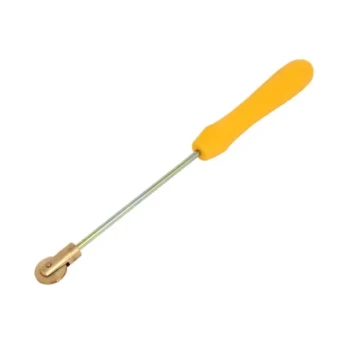
- Professional Bee Frame Wiring Tool with Integrated Tensioning System by HONESTBEE
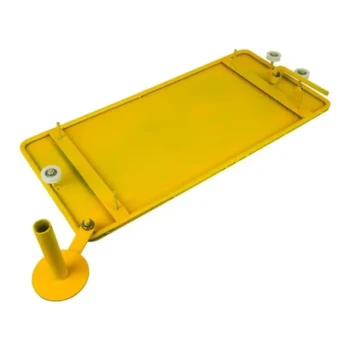
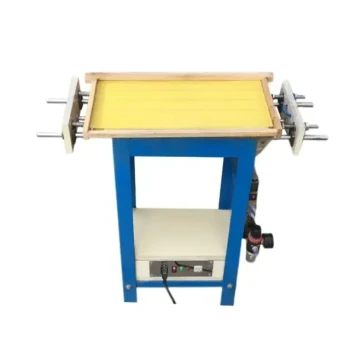
- HONESTBEE Durable Frame Wiring Board with Integrated Tensioner
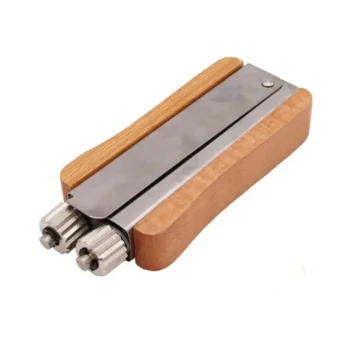
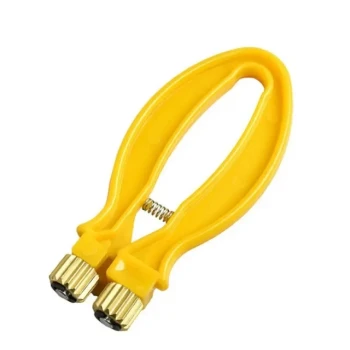
- HONESTBEE Durable Ergonomic Wooden Handle Frame Wire Crimper
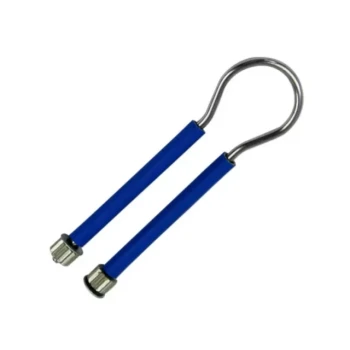
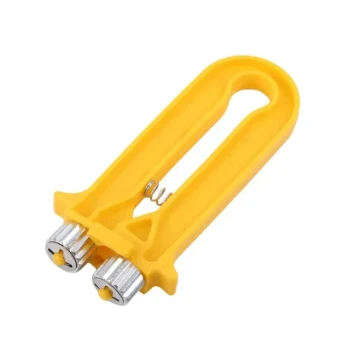
- HONESTBEE Loop Handle Frame Wire Crimper
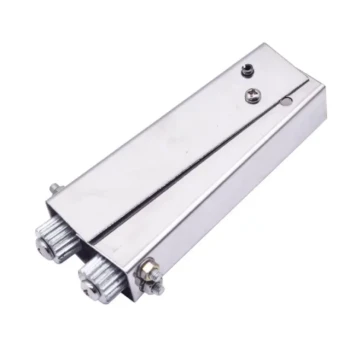
- HONESTBEE Heavy Duty All Metal Frame Wire Crimper Tool
People Also Ask
- How to wire a bee frame? A Step-by-Step Guide for Strong, Durable Honeycomb
- What is the final step in wiring a frame? Secure Lasting Tension for a Durable Hive
- What is minimalist bee frame wiring? Learn the Risks and Benefits for Beekeeping
- What tools and materials are required for wiring a beehive frame? Essential Equipment for Stronger Honeycomb
- What is the specified wire gauge for the bee frame wire? Mastering 26-Gauge Wire for Durable Honeycomb Support