Cleaning an Apimaye hive is a significantly simpler process than sanitizing traditional wooden apiary equipment. Because of their specialized construction, these hives can be effectively disinfected using soapy water or any common disinfectant, making them highly resilient against contaminants such as European or American foulbrood.
Core Insight: The greatest advantage of the Apimaye hive is its non-porous material, which allows for chemical disinfection rather than the destructive scorching methods required for wooden hives. You can resolve severe disease issues like foulbrood simply by washing the components thoroughly.
The Disinfection Process
Choosing the Right Solution
Unlike wooden hives that soak up moisture and harbor bacteria deep in the grain, Apimaye hives feature food-grade surfaces that are non-absorbent.
According to manufacturer guidelines, you can use soapy water for general cleaning. For more serious decontamination, any common disinfectant is suitable for the material.
Addressing Disease Contamination
A critical concern for any beekeeper is the presence of foulbrood (American or European).
While these diseases are notoriously difficult to eradicate from wooden ware, the Apimaye hive can be successfully treated.
Thoroughly washing the hive components with your chosen disinfectant will remove these contaminants and render the hive safe for new bees.
Best Practices for Application
Preparation is Key
Before applying a liquid disinfectant, it is vital to remove physical barriers.
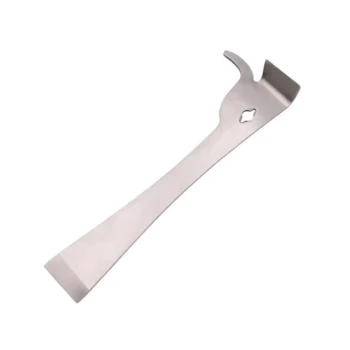
Just as you would scrape wax and propolis off a hive tool before soaking it, you should ensure the hive surfaces are free of heavy debris.
This ensures the soapy water or disinfectant makes direct contact with the hive walls, maximizing its effectiveness.
Tool Hygiene
While focusing on the hive, do not neglect your hive tools.
After scraping them clean, soak your tools in a bleach and water solution. This prevents you from re-introducing pathogens into your freshly cleaned Apimaye hive.
Understanding the Trade-offs
Chemical Reliance vs. Heat
The traditional method for sterilizing wooden hives often involves scorching the wood with a torch to kill spores.
You cannot use a torch on an Apimaye hive.
The trade-off here is that you must rely entirely on chemical agents and physical scrubbing. You must ensure your cleaning solution covers every nook and crevice, as you cannot rely on the penetrating heat of a flame to do the work for you.
Surface Contact
Disinfectants only work on surfaces they actually touch.
If you fail to scrub away propolis or wax buildup first, the disinfectant cannot reach the plastic underneath.
This makes the "scraping" phase just as critical as the "washing" phase.
Ensuring Colony Health
To maintain a healthy apiary, match your cleaning method to your specific objective.
- If your primary focus is Routine Maintenance: Use soapy water to scrub down the hive components and remove general grime or winter debris.
- If your primary focus is Disease Eradication: Use a strong common disinfectant to target specific pathogens like American or European foulbrood, ensuring all surfaces are soaked.
By leveraging the durable nature of the Apimaye hive, you can maintain high biosecurity standards without sacrificing your equipment.
Summary Table:
| Cleaning Phase | Action Required | Recommended Agent |
|---|---|---|
| Preparation | Scrape off wax, propolis, and debris | Hive Scraper |
| Routine Maintenance | Surface scrubbing of all components | Soapy Water |
| Disease Eradication | Thorough soak for Foulbrood prevention | Common Disinfectant / Bleach Solution |
| Tool Hygiene | Soak hive tools to prevent re-contamination | Bleach & Water Solution |
Maximize Your Apiary Productivity with HONESTBEE
Maintaining a disease-free environment is critical for commercial success. At HONESTBEE, we specialize in supporting commercial apiaries and distributors by providing a comprehensive range of high-quality beekeeping tools, advanced honey-filling machinery, and essential consumables.
Whether you are scaling your operation with specialized hive-making equipment or looking for a reliable wholesale partner for industry-standard hardware, our expertise ensures your business thrives.
Ready to elevate your beekeeping business?
Contact us today to explore our full spectrum of wholesale solutions!
Related Products
- HONESTBEE Premium Italian Style Hive Tool with Hardwood Handle
- Professional Stainless Steel Pry-Bar Hive Tool
- Heavy-Duty Nylon Beehive Hive Strap with Stainless Steel Cinch Buckle
- Premium Traditional Copper Bee Smoker with Bellows
- Ergonomic Two Person Foldable Hive Lifter
People Also Ask
- What distinguishes an Italian hive tool? Master High-Leverage Beekeeping with This Extra-Long Design
- Which intervention materials and management tools are used in commercial apiaries? Protect Your Bees from Pesticides
- What are the common construction features of hive tools? Key Insights for Superior Beekeeping Efficiency
- How do hive tools and queen rearing equipment facilitate the bee colony splitting process? Restore Your Apiary Faster
- What are the different types of hive tools available? Choose the Right Tool for Your Apiary