Configure the hive as a stable, elevated, slightly front-sloping tiered enclosure. Use vertically racked frames fitted with beeswax foundation, with lower boxes dedicated to brood rearing and upper supers reserved for honey storage. Place the hive on a sturdy stand that is level side-to-side and slopes slightly downward toward the entrance—no more than about one inch lower at the front—to improve drainage, ventilation, colony protection, and beekeeper access.
The optimal setup combines correct internal zoning, reliable elevation, precise leveling, and a well-prepared working area. This keeps the colony drier and healthier while making inspections, feeding, and honey removal safer and more efficient.
Configure the Hive Interior for Colony Function
Separate brood chambers from honey supers
The lower hive bodies should provide the principal brood-rearing space, where the queen lays eggs and workers raise developing larvae.
Upper supers should be used primarily for honey storage. This functional separation supports orderly colony development and makes honey harvesting more manageable.
Use vertically suspended, foundation-lined frames
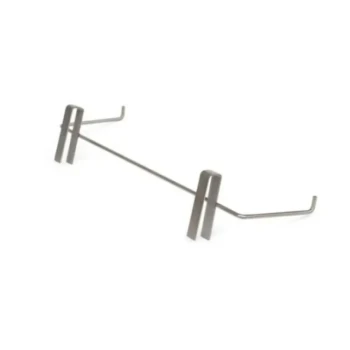
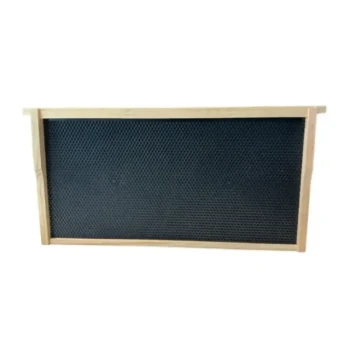
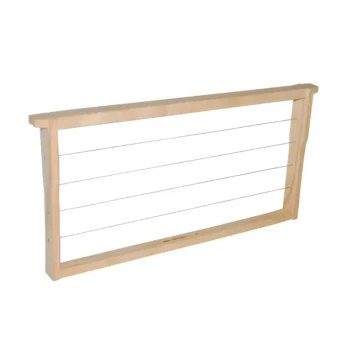
Frames should be racked vertically inside the hive body and fitted with beeswax foundation sheets. The rack must hold frames securely while leaving the correct working space between them for bee movement and comb management.
A consistent frame arrangement also allows technicians to remove, inspect, and replace individual frames without unnecessarily disturbing adjacent comb.
Maintain useful ventilation through the cover
A standard inner cover is typically installed with its tray side facing upward. Its central opening can support ventilation, while a notch along the front edge or a screened inner cover can provide additional airflow.
When using a hive-top feeder, remove the standard inner cover temporarily and position the feeder directly on the hive body as designed.
Elevate and Align the Supporting Stand
Keep the hive off damp ground
Use a dedicated hive stand or a heavy-duty platform, such as a wooden pallet supported by concrete blocks. Elevation reduces contact with soil moisture, puddles, and mud, helping limit wood rot, mold, and general deterioration.
The raised position also improves airflow around the hive and reduces exposure to crawling pests and some ground predators, including ants, skunks, and wax moths.
Level the hive from side to side
The hive should be level across its width. A side-to-side tilt can affect frame alignment, encourage uneven comb construction, and make inspections more difficult.
Set the stand on a stable base, such as a paving slab. Where the ground is uneven, use compacted gravel or bedding material beneath the slab to achieve a firm, reliable position.
Slope the entrance slightly downward
The front of the hive should be slightly lower than the rear, with a modest slope of one inch or less. This allows rainwater to drain away from the entrance instead of collecting inside the hive.
The slope should be gentle rather than pronounced. Excessive tilting can destabilize supers and make frame handling awkward.
Prepare the Apiary Location Around the Stand
Provide sun and wind protection
Place hives where they receive full sunlight to support daily foraging activity. Protect the enclosure from strong winds with fencing, walls, or suitable surrounding trees while preserving adequate access for the bees and beekeeper.
The placement should also be near a clean water source. Water availability helps reduce the need for bees to seek potentially unsafe sources elsewhere.
Control weeds and ground moisture
Grass and weeds should not be allowed to obstruct the entrance or restrict airflow around the hive. Use gravel over plastic sheeting, bark mulch, patio pavers, or heavy weed-barrier fabric around the stand.
A clean, dry surface also reduces trip hazards and makes routine inspections, feeding, and harvesting more efficient.
Preserve rear and side clearance
Maintain ample space around every hive, especially behind the enclosure where most inspections occur. Beekeepers need enough room to stand, lift frames, place equipment, and move safely without striking adjacent hives or tripping.
Avoid positioning hives so closely together that technicians must work across another hive or carry heavy supers through restricted spaces.
Plan equipment pathways
Commercial apiaries should include clear paths for carts, trolleys, and other transport equipment. These routes should connect hive rows with storage and processing areas.
Adequate clearance is particularly important when moving full honey supers, which are heavy and difficult to maneuver through narrow gaps.
Why Stand Design Affects Hive Management
Improve working ergonomics
Raising the hive reduces excessive bending when removing frames and inspecting brood. It also makes the enclosure more accessible for technicians handling heavy honey boxes.
A practical stand height should support comfortable work without compromising stability or making the hive difficult to reach.
Support dryness and hygiene
Ground separation helps prevent moisture from migrating into wooden hive components. A drier enclosure is less favorable to mold, fungal growth, and premature wood degradation.
Good drainage beneath and around the stand is therefore part of hive-health management, not merely a site-maintenance preference.
Protect ventilation and the entrance
The stand and surrounding ground cover should leave the entrance unobstructed. Tall vegetation, standing water, and poorly placed supports can restrict airflow and interfere with returning foragers.
The enclosure should remain elevated, stable, and open enough to support natural air exchange without exposing the hive to unnecessary wind.
Understanding the Trade-offs
Do not confuse elevation with complete pest exclusion
A stand reduces ground contact and can make access more difficult for crawling pests, but it does not eliminate pest pressure. Ants, rodents, wax moths, and other threats may still reach the hive through vegetation, supports, or gaps.
Regular inspection of the stand, hive base, and surrounding ground remains necessary.
Avoid excessive ventilation
Additional airflow can help manage moisture, but an overly open or poorly positioned ventilation system may expose the colony to drafts or weather. Use screened inner covers or ventilation notches according to local conditions and hive design.
Ventilation should complement—not replace—dry ground, sound hive construction, and appropriate placement.
Do not sacrifice stability for drainage
A slight front slope is beneficial, but an unstable stand creates a greater risk than poor drainage. The base, blocks, pallet, and hive bodies must remain secure under the weight of full supers and changing weather conditions.
Check the stand after heavy rain, frost, soil movement, or any relocation.
Keep layouts operationally practical
Maximum hive density is not always the most efficient arrangement. Narrow rows may save space but slow inspections, increase handling risk, and make equipment transport difficult.
For commercial users and resellers specifying complete apiary systems, stand stability, access clearances, ground-control materials, and compatible covers should be treated as one coordinated package.
How to Apply This to Your Apiary
Select the configuration according to the colony’s health requirements and the way the apiary will be operated.
- If your primary focus is hive health: Use vertically arranged, foundation-lined frames; separate brood boxes from honey supers; maintain dry ground; and provide controlled ventilation.
- If your primary focus is worker ergonomics: Elevate the hive on a sturdy stand at a practical working height and preserve generous rear inspection clearance.
- If your primary focus is weather protection: Keep the hive level side-to-side, slope it slightly toward the entrance, and install it on a firm, well-drained base.
- If your primary focus is commercial efficiency: Standardize compatible hive bodies, frames, covers, stands, ground barriers, and transport pathways so inspection and fulfillment workflows remain consistent.
- If your primary focus is site maintenance: Use gravel, pavers, mulch, or weed-barrier fabric around stands and keep entrances clear of vegetation and standing water.
A well-configured hive is a dry, stable, accessible system in which colony health and daily management reinforce each other.
Summary Table:
| Aspect | Recommendation | Benefits |
|---|---|---|
| Internal Layout | Separate brood chambers (lower) from honey supers (upper) | Supports colony organization and simplifies harvesting |
| Frames | Vertically stacked, fitted with beeswax foundation | Ensures proper bee space and comb management |
| Ventilation | Inner cover with central opening or notch; adjust for climate | Controls moisture and airflow |
| Elevation | Use stand or pallet to keep hive off ground | Reduces moisture, rot, and pest access |
| Leveling | Level side-to-side, slight downward slope to front (≤1 inch) | Ensures drainage and frame alignment |
| Surroundings | Clear vegetation, provide sun, wind protection, and nearby water | Optimizes foraging and reduces hazards |
| Working Space | Maintain rear and side clearance for inspections and equipment | Improves safety and efficiency |
Optimize your apiary with our premium beekeeping equipment and expert guidance. Whether you are a commercial beekeeper or a distributor, we offer a full spectrum of hive components, stands, and accessories designed for health and efficiency. Benefit from our rapid response, tailored OEM/ODM support, and reliable supply chain. Contact us today to discuss your needs and elevate your beekeeping operations!
Related Products
- Metal Bee Hive Stand Bee Box Stand for Beekeeping
- Metal Hive Feet Bee Hive Stand for Ant Protection
- Plastic Bee Hive Stand for Beekeeping
- Professional Ant-Proof Beehive Stand with Integrated Moat for Beekeeping
- Professional Galvanized Steel Frame Rest for Beehives
People Also Ask
- What height should a bee hive stand be? Optimize for Your Back and Hive Health
- What are the potential risks of plastic bee hive stands? Avoid Structural Failure in Your Apiary
- What are the essential technical specifications for a high-quality bee hive stand? Maximize Stability and Hive Safety
- What are the benefits of elevating a bee hive with a stand or base? Protect Your Colony and Your Back
- Why are specialized beehive stands or protective barriers necessary for pest management in apiaries? Secure Your Colony