Black mold requires a decisive and segmented approach to equipment management. Unlike common surface molds, black mold necessitates the complete removal and disposal of the wax foundation, though the structural frames themselves can often be salvaged through a rigorous cleaning process.
To protect colony health, you must separate the frame from the foundation; the contaminated wax foundation should be discarded or repurposed for non-beekeeping uses, while the frames must be thoroughly cleaned, aired out, and frozen before reuse.
Managing Contaminated Wax Foundation
The Necessity of Removal
When black mold penetrates the hive, the foundation cannot be safely rehabilitated for colony use.
You must remove the wax foundation from the frame entirely. Attempting to clean black mold off the wax carries too high a risk of persistent contamination that could affect brood health.
Safe Disposal Options
Once removed, the wax should be discarded or melted down exclusively for non-beekeeping applications.
Do not render this wax for use in new foundations or cosmetics applied to the skin. It is suitable only for applications like furniture polish or candles where hive health is not a factor.
Remediation Protocol for Frames
Thorough Mechanical Cleaning
After the foundation is removed, the wooden or plastic frames must be thoroughly scrubbed.
Remove all propolis, wax debris, and visible mold spores from the frame surfaces. This ensures that the structural components do not harbor reservoirs for future growth.
Airing Out the Equipment
Moisture is the primary driver of mold growth; therefore, cleaning must be followed by a period of drying and airing out.
Expose the frames to fresh air and sunlight if possible. This step helps dehydrate any remaining fungal structures and prepares the wood for the final sterilization step.
The Freezing Step
To ensure the frames are biologically safe for a new foundation, they must be frozen.
Freezing kills wax moth eggs and other pests that may have opportunistically entered the weakened hive. This resets the equipment, making it safe to introduce to a new colony.
Understanding the Trade-offs
Resource Loss vs. Colony Safety
The primary trade-off in treating black mold is the loss of drawn comb, which represents a significant energy investment by the bees.
However, trying to save this resource is a false economy. The labor required for bees to clean black mold is excessive and stresses the colony, unlike the minor effort required to polish off standard white or green molds.
The Risk of Incomplete Cleaning
Reuse of frames carries a risk if the cleaning process is superficial.
If frames are not scrubbed, aired, and frozen properly, you risk reintroducing the mold to the new foundation immediately. This creates a cycle of poor health that outweighs the cost of simply buying new frames.
Making the Right Choice for Your Goal
To determine your next steps, assess your priorities regarding equipment cost versus labor.
- If your primary focus is Colony Health: Prioritize the immediate disposal of all wax foundation to eliminate the pathogen source entirely.
- If your primary focus is Cost Management: Invest labor into scrubbing, airing, and freezing the frames to avoid purchasing new hardware.
- If your primary focus is Time Efficiency: Discard both the frame and foundation, as the labor required to remediate black mold frames may exceed the cost of replacement.
Ultimately, success depends on ensuring that no active spores remain on the structural equipment before a new foundation is installed.
Summary Table:
| Component | Action Required | Reason for Action |
|---|---|---|
| Wax Foundation | Complete Disposal/Melting | Pathogen retention and risk to brood health. |
| Wooden/Plastic Frames | Scrub, Air-dry, and Freeze | Removes spores and pests while saving hardware costs. |
| Mold Spores | Mechanical Cleaning | Eliminates reservoirs for future fungal growth. |
| Contaminated Wax | Non-beekeeping Repurposing | Safe for candles/polish; unsafe for hive reuse. |
Secure Your Apiary’s Success with HONESTBEE
Don't let black mold compromise your commercial productivity. HONESTBEE provides professional-grade solutions for commercial apiaries and distributors, offering a full spectrum of high-quality beekeeping tools, machinery, and essential consumables.
Whether you need to replace contaminated components with our premium hive-making hardware or scale your operations with honey-filling machines, we deliver the reliability your business demands. From specialized beekeeping equipment to honey-themed cultural merchandise, we are your comprehensive wholesale partner.
Protect your investment and streamline your workflow—contact HONESTBEE today for wholesale pricing and expert support!
Related Products
- HONESTBEE Wired and Assembled Wooden Bee Frames Foundation for a Thriving Hive
- Plastic Bee Frame Beekeeping Hive Frames for Wholesale
- Assembled Wooden Bee Frames with Plastic Foundation for Durability and Convenience by HONESTBEE
- Wooden Bee Hive Frames for Beekeeping and Wholesale
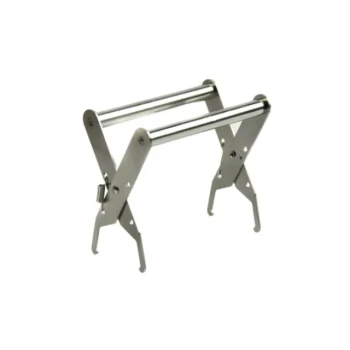
- Professional Galvanized Steel Frame Rest for Beehives
People Also Ask
- What role does replacing foundation and frames play in controlling American Foulbrood (AFB)? A Key to Hive Sanitation
- What is the difference between frames and foundation in a bee hive? A Guide to Hive Structure and Comb Building
- What is the role of frames and foundation in a bee hive? Build a Stable and Productive Apiary with Modern Design
- What is the purpose of frames and foundations in a beehive? Achieve a Healthy, Manageable Hive
- How do wooden and plastic hive frames compare in terms of durability? Wood vs. Plastic Longevity & Repairability