Proactive maintenance is the cornerstone of functional beekeeping. Repairing common issues primarily involves a systematic inspection of wooden components for rot, the immediate replacement of compromised frames, and verifying that mechanical tools are operational.
Beekeeping equipment repairs are less about fixing broken items and more about preventing hive failure. Ensuring tight seals and structural integrity is the only way to effectively block pests and maintain a viable colony environment.
Maintaining Structural Integrity
Inspecting Wooden Components
Wooden parts are the most vulnerable elements of your apiary. You must perform regular inspections to identify signs of rot or physical damage early.
Addressing these issues immediately prevents the structural collapse of the hive. If wood is soft or splintering, it compromises the hive's ability to protect the colony.
Ensuring a Snug Fit
The connection between hive boxes is critical for hive security. You must ensure that all boxes fit snugly together.
Gaps between boxes are entry points for unwanted intruders. A proper seal is your primary defense to prevent pests from entering and disrupting the colony.
Managing Internal Components
Replacing Damaged Frames
Frames endure significant stress during hive inspections and honey extraction. Do not attempt to salvage frames that are structurally compromised.
The most effective repair strategy is replacing any broken or worn-out frames entirely. This ensures the comb remains stable and prevents accidents during handling.
specialized Equipment Maintenance
verifying Tool Operation
Beyond the hive itself, your external tools require attention. Specialized equipment, specifically smokers and honey extractors, must be checked for proper operation.
Regular functional checks ensure these tools perform correctly when you need them most, preventing delays during critical work.
Common Pitfalls to Avoid
Neglecting the "Replace vs. Repair" Distinction
A common mistake is attempting to patch items that should be discarded. The reference highlights replacing frames rather than repairing them.
Using damaged frames risks honey loss and hive disruption. It is often more efficient and safer for the bees to swap out worn components rather than relying on temporary fixes.
Overlooking Box Alignment
Failing to address the fit of hive boxes is a critical error. Even minor gaps can lead to severe pest infestations.
If boxes do not stack flush due to warping or damage, they must be repaired or replaced immediately to maintain the hive's defensive perimeter.
Making the Right Choice for Your Goal
To maintain a healthy apiary, prioritize your maintenance efforts based on the specific risks to your colony.
- If your primary focus is pest prevention: Prioritize ensuring hive boxes fit snugly to eliminate gaps that allow intruders to enter.
- If your primary focus is operational efficiency: Focus on checking specialized equipment like smokers and extractors to ensure smooth workflow during inspections.
- If your primary focus is hive longevity: Dedicate time to inspecting wooden components for rot and replacing worn-out frames before they fail.
Consistent inspection and timely replacement of worn components is the most effective repair strategy.
Summary Table:
| Component | Common Issue | Repair/Maintenance Action | Goal |
|---|---|---|---|
| Wooden Boxes | Rot, gaps, or warping | Inspect for rot; ensure boxes fit snugly | Pest prevention and structural integrity |
| Internal Frames | Structural damage/wear | Immediate replacement of compromised frames | Stable comb and safe hive handling |
| Smokers | Clogging/failure | Regular functional check and cleaning | Operational efficiency during inspections |
| Honey Extractors | Mechanical malfunction | Routine operational verification | Smooth harvest and processing workflow |
Elevate Your Apiary Efficiency with HONESTBEE
Maintaining a professional-grade apiary requires more than just repairs—it requires reliable, high-quality equipment. HONESTBEE is a leading global supplier dedicated to supporting commercial apiaries and distributors with a comprehensive wholesale portfolio.
Whether you need to replace worn-out hive components or upgrade to industrial hive-making and honey-filling machines, we provide the full spectrum of beekeeping tools, machinery, and essential consumables. Our expertise helps you reduce downtime and maximize productivity across your entire operation.
Ready to scale your beekeeping business? Contact us today to explore our wholesale solutions and discover how our specialized hardware and industry expertise can drive your success.
Related Products
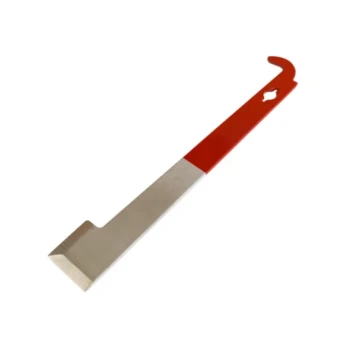
- Stainless Steel J Hook Hive Tool for Beekeeping
- HONESTBEE 15-in-1 Beekeeper Multi-Tool with Hammer and Pliers for Beekeeping
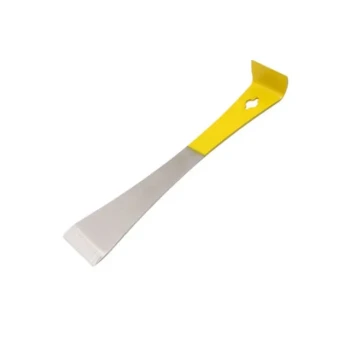
- HONESTBEE Classic Pry Bar Hive Tool with High Visibility Finish for Beekeeping
- Multi-Function Plier-Style Frame Grip Hive Tool
- Stainless Steel Queen Grafting Tool for Beekeeping and Bee Queen Grafting
People Also Ask
- What specific challenges do beekeeping hive tools address during hive maintenance? Essential Solutions for Apiaries
- What is a J-hook hive tool and why is it favored by some beekeepers? Master Gentle Frame Handling
- What are the features of a J-hook hive tool? Effortlessly Lift Frames with Superior Leverage
- What is the purpose of the J-hook hive tool? Effortlessly Lift Frames with Superior Leverage
- How is a J-hook hive tool designed and what is its primary use? Master Effortless Hive Inspections