Select and position an inner crown board according to the hive’s bee-space design and feeder type. For bottom bee-space hives, the framed rim normally faces downward to preserve clearance above the frame tops. However, some standard inner-cover designs are intended to sit tray-side upward, so the correct orientation must be confirmed against the hive body, cover profile, and manufacturer’s specifications.
The key rule is not “always up” or “always down.” The crown board must maintain the correct bee space, provide a reliable seal beneath the outer cover, and match the feeder configuration. Incorrect positioning can lead to propolis bonding, comb attachment, poor ventilation, or exposure to robbing.
How an Inner Crown Board Functions
Maintaining bee space
An inner crown board creates the designed clearance above the uppermost frames. This space allows bees to move through the hive without filling the gap with propolis or unwanted comb.
In a bottom bee-space hive, where the frame tops sit flush with the box rim, the framed rim of the crown board should face downward. This places the required space directly above the top bars.
Separating the colony from the outer cover
The board prevents bees from attaching comb to the underside of the outer roof. It also makes hive inspections easier because the outer cover can be removed without disturbing structures built directly against it.
Supporting ventilation and access
Many inner covers include a central opening, a screened section, or a notch along the frame. These features can support ventilation and, depending on the design, create an upper entrance.
The ventilation or entrance notch should generally face toward the front of the hive, provided this matches the board’s design and the beekeeper’s intended airflow arrangement.
How to Select the Right Crown Board
Choose for durability in hive conditions
High-quality exterior plywood framed with cedar provides good dimensional stability and a long service life in the damp environment of a hive.
The frame should be sound, square, and firmly attached. Poorly assembled boards can warp or leave gaps that reduce the effectiveness of the hive’s seal.
Consider polycarbonate for visibility and rot resistance
Polycarbonate crown boards offer complete resistance to rot and allow visual monitoring of the upper frames without immediately lifting the cover.
They can be valuable for beekeepers who prioritize non-intrusive inspections. Distributors and resellers may also find them useful as a premium option alongside conventional wooden boards.
Treat strand board as an economy option
Strand board models may reduce purchase cost, but they are more vulnerable to moisture damage and generally have a shorter service life.
They may suit price-sensitive applications, but buyers should understand the likely replacement and service implications before selecting them for demanding climates or long-term use.
Match the board to the hive format
The crown board must match the hive body’s dimensions and bee-space arrangement. A board designed for one hive format may not seat correctly on another, even if the nominal dimensions appear similar.
For wholesale and distribution programs, product specifications should clearly identify compatible hive sizes, frame arrangements, feeder types, and orientation requirements.
Keep interior components untreated
Inner hive components should remain natural and unfinished rather than painted or treated with chemical finishes. This preserves a suitable internal environment for the colony and avoids introducing inappropriate coatings inside the hive.
How to Position the Board Correctly
For bottom bee-space hive configurations
Place the crown board on the uppermost hive box with its framed rim facing downward. The rim maintains the necessary space between the board and the frame tops.
If installed upside down and the clearance is lost, bees may glue the board directly to the frames with propolis. This makes inspections and board removal unnecessarily difficult.
For standard tray-style inner covers
Some inner covers are designed as shallow trays with a raised ridge or deeper ledge. On these models, the tray side generally faces upward, toward the outer cover, while the flat side faces down toward the hive body.
This is not a contradiction with the bottom bee-space rule; it reflects a different cover and hive geometry. The correct orientation is the one that preserves the manufacturer’s intended bee space.
Position the ventilation notch consistently
If the board has a half-moon or rectangular notch, position the notch toward the front of the hive when the design uses it as a ventilation or upper-entrance feature.
Do not assume every notch has the same purpose. Confirm whether it is intended for ventilation, bee access, or another cover configuration before installation.
Seat the board directly beneath the outer cover
The crown board should sit on the uppermost hive box or on the applicable feeder, immediately beneath the outer cover. It should lie flat and make an even contact around the hive perimeter.
A properly seated board helps limit unwanted access by wasps and robber bees while supporting the hive’s intended airflow and insulation arrangement.
Positioning Around Feeders
Rapid top feeders
With a rapid top feeder, place the feeder directly on top of the brood box or super frames. Position the crown board over the feeder so the hive remains covered and sealed beneath the outer roof.
This arrangement allows feeding while reducing opportunities for wasps and robber bees to reach the syrup.
Hive-top feeders
A hive-top feeder is a different configuration. It occupies the position normally taken by the inner cover, so the standard crown board should be removed while the feeder is installed.
Replacing the feeder with a standard inner cover after feeding restores the usual cover arrangement.
Avoid mixing feeder instructions
“Top feeder” is used for more than one product design. Applying the instructions for a rapid feeder to a hive-top feeder, or vice versa, can create incorrect spacing and sealing.
Suppliers should identify the feeder type clearly in product listings, assembly instructions, and customer support materials.
Understanding the Trade-offs
Wooden boards versus polycarbonate
Wooden boards are familiar, repairable, and available in framed configurations that maintain established bee-space dimensions. They can, however, absorb moisture and require careful construction and storage.
Polycarbonate boards resist rot and permit visual checks, but they represent a different product category and may be selected primarily for visibility and long-term moisture resistance.
Durability versus purchase price
Strand board can be attractive where initial cost is the primary concern. Its greater susceptibility to moisture damage means the lowest purchase price may not produce the lowest total cost over repeated seasons.
For resellers, offering economy, standard wooden, and premium polycarbonate options allows customers to choose according to climate, inspection practices, and expected service life.
Ventilation versus exposure
A notch or opening can improve airflow and provide an upper entrance, but ventilation features must be compatible with the hive’s overall design. Unclear or excessive openings may undermine the intended seal and can create access points for pests or robbing.
The board should therefore be selected as part of a complete hive system rather than as an isolated component.
Standardization versus hive-specific fit
Standardized crown boards simplify purchasing, stocking, and fulfillment. Nevertheless, differences in hive dimensions, bee-space direction, feeder design, and cover profile make compatibility verification essential.
A technically correct board can still perform poorly if it is the wrong size or is installed in a hive with a different bee-space arrangement.
Common Installation Errors to Avoid
Assuming every board faces the same direction
The raised side does not have one universal orientation across all hive designs. Always identify whether the hive requires bottom bee-space positioning or a tray-style inner-cover arrangement.
Installing the wrong side downward
On a bottom bee-space hive, placing the framed rim upward can remove the clearance above the frame tops. Propolis may then bond the board to the frames, complicating inspections.
Leaving the standard cover under a hive-top feeder
A hive-top feeder replaces the inner cover. Leaving both components in place can create incorrect spacing and prevent the feeder from seating properly.
Ignoring the notch direction
A ventilation or entrance notch should normally face the front when the design calls for that arrangement. Reversing it can change the intended airflow or access pattern.
Using chemically finished interior boards
Painted or chemically treated inner components are unsuitable for the normal interior hive environment. Supply and installation specifications should require natural, unfinished boards.
Making the Right Choice for Your Goal
Select the crown board as part of the complete hive, cover, and feeding system rather than treating it as a universal accessory.
- If your primary focus is long service life: Choose a well-built exterior plywood and cedar board or a rot-resistant polycarbonate model, with the final choice based on moisture exposure and inspection needs.
- If your primary focus is visual monitoring: Choose a polycarbonate crown board that allows the upper frames to be checked without immediately opening the hive.
- If your primary focus is correct hive operation: Verify the hive’s bee-space configuration and install the board in the orientation that preserves the designed clearance.
- If your primary focus is feeding efficiency: Match the board arrangement to the feeder type—place it over a rapid top feeder, but remove it when a hive-top feeder occupies its position.
- If your primary focus is reliable sourcing: Stock clearly identified sizes, materials, orientations, and feeder-compatible models so customers can select the correct component without avoidable delays or returns.
Correct selection and orientation preserve bee space, improve inspection access, and help the entire hive system perform as intended.
Summary Table:
| Factor | Wooden (Plywood/Cedar) | Polycarbonate | Strand Board |
|---|---|---|---|
| Durability | High, long service life | High, rot-resistant | Low, prone to moisture damage |
| Visibility | No | Yes, allows monitoring | No |
| Cost | Moderate | Premium | Low |
| Best For | Most beekeepers, long-term use | Visual inspections, high humidity | Budget-conscious, short-term use |
Ready to Upgrade Your Hive Management?
At HONESTBEE, we specialize in supplying top-quality beekeeping equipment to distributors, wholesalers, and commercial apiaries. Our comprehensive range includes durable inner crown boards in wood, polycarbonate, and economy options, all designed to fit various hive formats and feeder systems. We understand the importance of reliable supply chains and offer rapid response times, dedicated customer service, and ultra-fast delivery to keep your operations running smoothly. Whether you need bulk orders, OEM/ODM customization, or expert guidance on hive components, we are your trusted partner. Contact us today to discuss your requirements and discover how we can help you achieve better hive performance and profitability. Get in Touch
Related Products
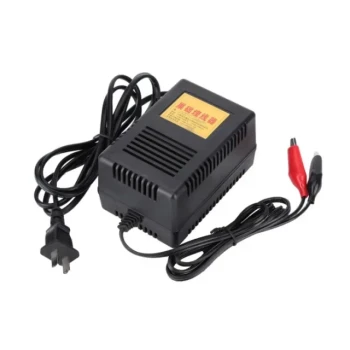
- HONESTBEE AC Powered Wire Embedder with Alligator Clips
- Langstroth Solid Bottom Board for Beekeeping
- Solid Bottom Board Australian Pine Wood Langstroth Bottom Board for Wholesale
- Solar Beeswax Melter Easy Solar Wax Melter for Beeswax
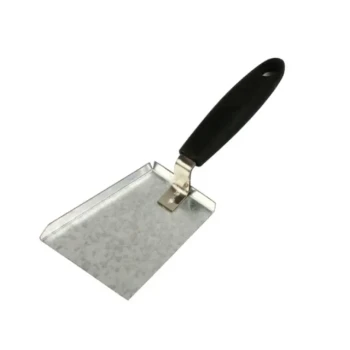
- Heavy-Duty Ergonomic Grip Galvanized Pollen Shovel
People Also Ask
- How can combs be further strengthened? Embed Wires for Durable, High-Yield Hives
- What is an embedder in beekeeping? Essential Tool for Strengthening Wax Foundation & Hive Frames
- Why must strict sanitary and health prevention protocols be implemented for honeybee transport? Maximize Colony Survival
- What are the primary indicators of healthy honeybee colonies? Optimize Your Commercial Apiary for Peak Productivity
- Why must honeybee samples be stored in high-concentration ethanol and low temperatures? Ensure Genetic & Physical Integrity