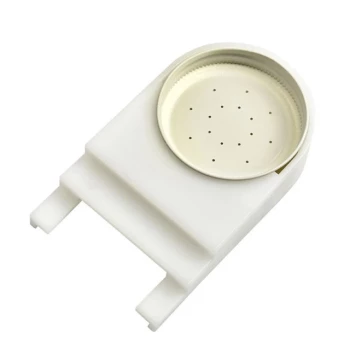
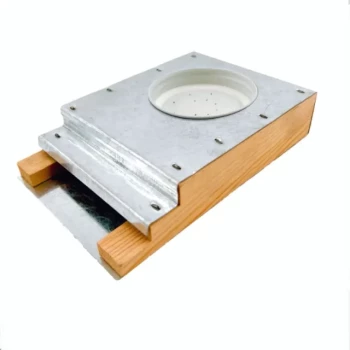
Automated feeding systems act as a vital demographic stabilizer during infectious disease outbreaks within a bee colony. By ensuring a consistent nutritional supply even when the workforce of foraging bees is decimated by illness, these systems prevent colony starvation and allow the population to regenerate.
Core Insight: The primary function of automated feeding in disease control is nutritional compensation. It breaks the cycle where disease leads to a lack of foragers, which leads to starvation, which leads to colony collapse. By artificially maintaining food stores, the system allows larval survival rates to remain high, ensuring enough new workers are born to replace those lost to infection.
The Mechanism of Nutritional Compensation
Offseting Forager Mortality
When an infectious disease strikes, the population of adult foraging bees often drops precipitously. In a natural setting, this results in a cessation of food intake.
Automated systems fill this gap by providing nutrition regardless of the colony's foraging capacity. This ensures the hive does not starve simply because its external workforce is sick or dying.
Ensuring Larval Survival
The survival of the colony depends entirely on the "replacement rate" of worker bees. If food stores deplete, the colony will cannibalize or starve the larvae.
Automated feeding maintains adequate food storage, guaranteeing that larvae receive the proteins and sugars needed to reach adulthood. This continuous production of new bees is the only way to demographically compensate for the adults killed by disease.
Operational Benefits of Modern Design
Hygiene and Disease Prevention
Supplementary engineering advancements have introduced "anti-overflow" designs to these appliances. This prevents syrup from spilling into the hive, which can degrade sanitary conditions and foster further bacterial or fungal growth.
Precision and Efficiency
Industrialized appliances utilize quantitative designs to deliver precise amounts of syrup or supplements. This ensures the colony receives the exact nutritional boost required without waste, sustaining the population even during periods of scarcity or extreme weather that might exacerbate disease stress.
Understanding the Trade-offs
Management vs. Cure
It is critical to understand that automated feeding systems are a management tool, not a medical cure. They do not eliminate the pathogen itself; they simply give the colony the strength and numbers to outlast the infection.
Maintenance Requirements
While designed for hygiene, these appliances are not self-cleaning. If the feeding equipment itself is neglected, it can become a vector for contamination, potentially worsening the very issues of hygiene they are designed to solve.
Making the Right Choice for Your Goal
To effectively utilize automated feeding for disease management, assess your specific objectives:
- If your primary focus is demographic recovery: Prioritize systems with high-capacity reservoirs to ensure uninterrupted larval nutrition despite heavy forager loss.
- If your primary focus is preventative hygiene: Select appliances with strict anti-overflow and anti-drowning features to maintain a sterile internal hive environment.
By stabilizing the food supply, you convert a potential colony collapse into a manageable recovery period.
Summary Table:
| Feature | Impact on Disease Management | Benefit for the Colony |
|---|---|---|
| Nutritional Compensation | Offsets forager loss by providing constant food access | Prevents starvation & demographic collapse |
| Larval Support | Guarantees protein/sugar supply for brood rearing | High replacement rate of sick worker bees |
| Anti-Overflow Design | Prevents syrup spillage and humidity buildup | Improves hive hygiene & limits bacterial growth |
| Quantitative Feeding | Delivers precise, controlled dosages of nutrition | Optimizes energy use without resource waste |
Scale Your Apiary Operations with HONESTBEE
Maintaining colony health is the backbone of a successful commercial apiary or distribution business. At HONESTBEE, we empower commercial beekeepers and distributors worldwide with a comprehensive range of professional tools and machinery.
From high-capacity automated feeding systems that safeguard your hives against disease-driven starvation to specialized honey-filling and hive-making machines, our wholesale offerings are designed for industrial-scale efficiency. We provide everything from essential consumables to honey-themed cultural merchandise to help your brand stand out.
Ready to optimize your production and protect your colonies? Contact HONESTBEE today to discuss our wholesale solutions
References
- M. I. Betti, M. Zamir. Effects of Infection on Honey Bee Population Dynamics: A Model. DOI: 10.1371/journal.pone.0110237
This article is also based on technical information from HonestBee Knowledge Base .
Related Products
- In-Hive Dual Compartment Frame Bee Feeder for Targeted Colony Nutrition
- HONESTBEE Entrance Bee Feeder Efficient Hive Front Liquid Feeding Solution for Beekeeping
- HONESTBEE Professional Hive Top Bee Feeder Feeding Solution
- Classic Boardman Entrance Bee Feeder Hive Front Feeding Solution
- HONESTBEE Entrance Bee Feeder Professional Hive Nutrition Solution for Beekeeping
People Also Ask
- What are the advantages of using a frame feeder for bee colonies? Boost Growth and Prevent Robbing Efficiently
- Why should sugar syrup or dry sugar not be left out in the open when feeding bees? Avoid a Dangerous Feeding Frenzy
- What precautions should be taken when feeding bees inside the hive? Safeguard Your Colony from Robbing and Leaks
- How do in-hive feeders support honey bee colonies during autumn? Ensure Overwintering Success for Your Apiary
- How do high-quality in-hive feeders assist in managing bee colonies during pesticide contamination? Protect Your Apiary