Generally speaking, it is not necessary to remove attendant bees from a queen cage before introduction, and attempting to do so is often ill-advised.
For the vast majority of beekeepers, the risks associated with opening the cage—specifically accidental injury to the queen or allowing her to fly away—far outweigh the minimal risk of conflict caused by the attendant bees.
The consensus among safety-conscious experts is that the new queen’s pheromones are powerful enough to quickly unify the scent of the colony. The greatest threat to a successful introduction is usually not the attendant bees, but the physical mishandling of the queen during unnecessary manipulation.
The Risks of Removing Attendants
The primary argument against removing attendant bees is grounded in the physical safety of the queen.
The "Flight Risk" Factor
Opening a queen cage to release attendants creates an immediate opportunity for the queen to escape.
If this is done in the apiary, the queen may fly away and be permanently lost. This turns a routine introduction into a total failure.
Potential for Injury
Manipulating the small components of a queen cage requires dexterity.
Trying to segregate the queen from her attendants increases the chance of crushing her legs or damaging her wings. A damaged queen is more likely to be superseded or rejected by the colony later.
Pheromone Unification
The biological concern regarding attendants is that they carry the scent of a foreign colony.
However, evidence suggests that the new queen's pheromone is dominant. It spreads rapidly, effectively overriding the scent of the few attendant bees and unifying the cage's population with the receiving hive.
The Argument for Removal
While the primary recommendation is to leave them, there is a theoretical basis for removing attendants that some advanced beekeepers follow.
The Theory of Foreign Scent
The logic behind removal is that the receiving colony may identify the attendants as intruders due to their foreign pheromones.
This perception can trigger a defensive response from the colony's workers.
Aggression and "Balling"
If the colony attacks the attendants through the screen, the excitement can escalate.
In the confusion of the aggression, the worker bees might ball the cage, inadvertently overheating or injuring the queen even if she wasn't the primary target.
Understanding the Trade-offs
Deciding whether to remove attendants requires weighing your handling environment against the colony's temperament.
Environmental Control is Mandatory
If you choose to remove attendants based on the theories above, you must never do so in the field.
Safe removal requires a closed room with a single light source, such as a window. The attendants will fly toward the light, allowing you to carefully recapture the queen. Without this controlled environment, the risk is unacceptable.
The Importance of Patience
Regardless of whether attendants are present, the colony remains suspicious of a non-laying queen.
Aggression often re-emerges if the hive is disturbed too soon after release. The most critical factor for success is often leaving the hive completely undisturbed for a full week to allow the queen to begin laying eggs.
Making the Right Choice for Your Goal
If you are unsure which path to take, prioritize the physical safety of the queen over theoretical optimization.
- If your primary focus is safety and minimizing error: Do not remove the attendants; place the cage directly into the hive to prevent accidental queen loss.
- If your primary focus is maximizing acceptance probability (and you are indoors): You may choose to remove attendants to eliminate potential pheromone conflict, provided you can ensure the queen does not escape.
Ultimately, a calm, undisturbed introduction process is more vital to queen survival than the presence or absence of a few attendant bees.
Summary Table:
| Factor | Keeping Attendants (Recommended) | Removing Attendants (Advanced) |
|---|---|---|
| Queen Safety | High - No risk of escape or injury | Low - High risk of flight or crushing |
| Difficulty | Low - Simple placement | High - Requires indoor controlled environment |
| Pheromone Impact | Queen overrides foreign scent quickly | Minimizes initial colony defensiveness |
| Best For | Beginners & Field installations | Laboratory or high-value breeding |
| Key Outcome | Prevents accidental loss | Theoretically reduces 'balling' risk |
Maximize Your Apiary's Success with HONESTBEE
Successfully introducing a queen is just the first step in maintaining a thriving colony. At HONESTBEE, we empower commercial apiaries and distributors by providing the industry's most reliable beekeeping tools and machinery.
Whether you need precision honey-filling machines, durable hive-making equipment, or a steady supply of essential beekeeping consumables, our comprehensive wholesale portfolio is designed to scale your operations efficiently. From specialized hardware to honey-themed cultural merchandise, we deliver the quality you need to succeed in the global market.
Ready to elevate your beekeeping business? Contact us today to explore our wholesale solutions!
Related Products
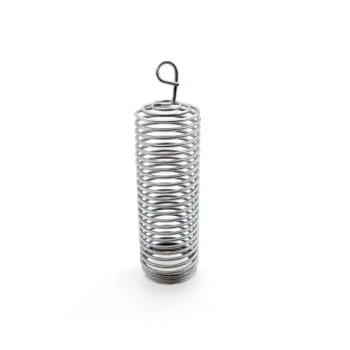
- Durable Galvanized Steel Spring Queen Bee Cage
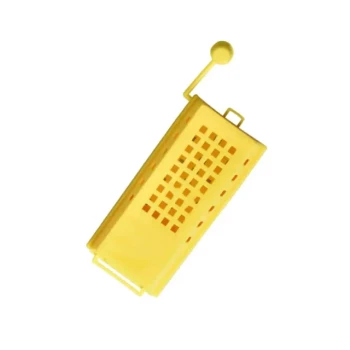
- Professional Queen Cage with Sliding Gate and Feeder Plug
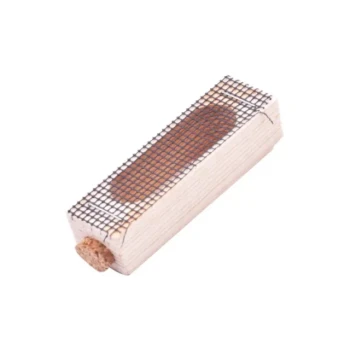
- Classic Wooden and Mesh California Queen Cage
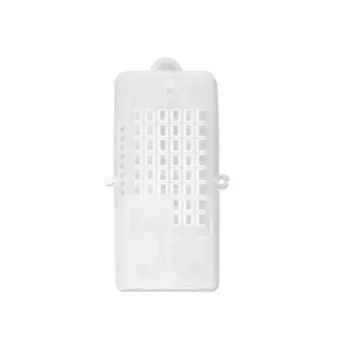
- Professional Queen Bee Introduction and Transport Cage
- Professional Multi-Functional Queen Bee Cage
People Also Ask
- Why are specialized queen bee cages used for the banking of mated queen bees? Maximize Commercial Apiary Storage Efficiency
- What is the mechanism of action for using temporary queen bee cages? Master Successful Queen Introduction
- What is the step-by-step process for installing a queen bee's cage onto a frame? Ensure Hive Acceptance Safely
- What is the optimal placement for a queen bee cage? Essential Strategies for Successful Re-queening
- What are the advantages and disadvantages of introducing a queen bee by embedding the cage? Boost Your Queen Acceptance