No, it is not necessary to refrigerate honey. In fact, refrigeration is actively discouraged because the cooler temperatures accelerate the crystallization process. This causes the honey to solidify, turning a smooth liquid into a hard, grainy substance that is difficult to handle or pour.
Core Insight: Honey is naturally shelf-stable and requires no cold storage to preserve its safety or quality. Refrigeration provides no benefit and essentially ruins the texture by forcing the sugars to harden prematurely.
The Science of Optimal Storage
Why Refrigeration Fails
Honey is a supersaturated sugar solution. When you lower its temperature, you reduce the solubility of the sugar (glucose).
This forces the sugar out of the solution, creating crystals. While safe to eat, refrigerated honey becomes solid, requiring you to undertake the tedious process of warming it up just to use it.
The Ideal Environment
To maintain a liquid state and preserve flavor, store honey in a cool, dry environment at standard room temperature.
Moisture is the enemy of honey. You must keep it in a distinct dry area to prevent fermentation.
Protecting the Nutrients
Honey contains natural enzymes that can be degraded by improper storage.
To preserve these enzymes, keep the container away from direct sunlight. A dark pantry or cupboard is the optimal location.
Choosing the Right Container
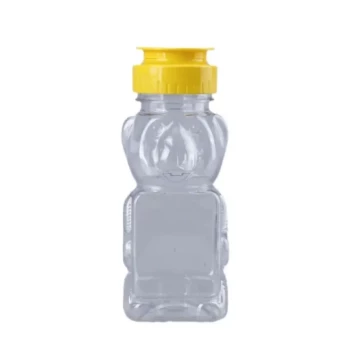
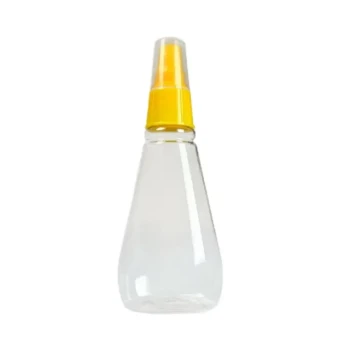
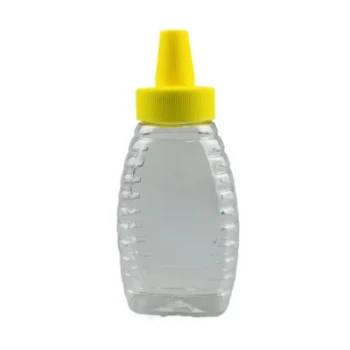
For daily or short-term use, food-grade plastic bottles are acceptable.
However, for long-term storage, glass is superior. It is non-reactive and ensures the honey’s flavor remains unaltered over time, whereas plastic can sometimes allow air exchange.
Understanding the Trade-offs
Reversing Crystallization
If your honey does solidify—whether due to accidental refrigeration or natural aging—it is not spoiled.
You can return it to a liquid state by gently warming it. Placing the jar in a bath of warm water is the safest method.
The Danger of Overheating
While you may need to warm honey to decrystallize it, you must be careful not to overheat it.
Excessive heat destroys the natural enzymes and quality markers (such as HMF levels). Never boil honey directly; gentle warmth is key.
Making the Right Choice for Your Goal
- If your primary focus is immediate usability: Store your honey in a cupboard at room temperature to keep it pourable and smooth.
- If your primary focus is long-term preservation: Transfer the honey to a sealed glass jar and store it in a dark, dry place to protect its flavor profile.
- If your honey has already solidified: Do not throw it away; gently warm the container in water to return it to liquid form.
Treat honey as a pantry staple, not a perishable, and it will last indefinitely.
Summary Table:
| Storage Factor | Recommended Practice | Why It Matters |
|---|---|---|
| Temperature | Room Temperature (Cool/Dry) | Prevents rapid crystallization and hardening |
| Light | Dark Pantry/Cupboard | Protects natural enzymes and flavor quality |
| Container | Glass Jars (Long-term) | Non-reactive; prevents air exchange and odors |
| Moisture | Sealed Air-tight | Prevents fermentation and spoilage |
| Rescue Method | Warm Water Bath | Gently reverses crystallization without heat damage |
Scale Your Honey Business with HONESTBEE
Are you looking to elevate your honey production or distribution? HONESTBEE specializes in supporting commercial apiaries and distributors with premium, professional-grade solutions. From high-efficiency honey-filling machines and durable hive-making equipment to a comprehensive range of beekeeping tools and industry consumables, we provide everything you need to maintain product quality from hive to jar.
Our portfolio also includes honey-themed cultural merchandise to help you expand your brand's reach. Partner with a supplier that understands the science of honey and the needs of the industry.
Ready to optimize your operations? Contact HONESTBEE today to discuss our wholesale offerings!
Related Products
- High Quality Honey Dehumidifier Dryer Thickening Machine for Beekeeping
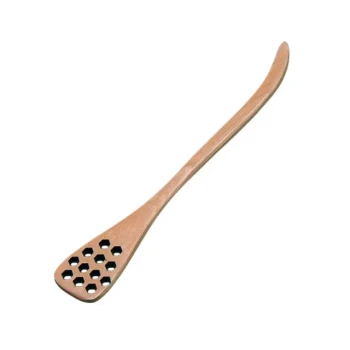
- Modern Honeycomb Pattern Wooden Honey Dipper for Stirring and Drizzling
- Economy Small Scale Honey Dryer Dehumidifier Thickening Machine
- Classic Honey Bear Jars with Flip Top Dispensing Cap for Liquid Sweeteners
- Inverted Squeezable Honey Jar with No Drip Flip Top Cap for Easy Pouring
People Also Ask
- Can you dehumidify honey? A Beekeeper's Guide to Preventing Fermentation
- How to dry up honey? The Safe Guide to Stabilizing Honey and Preventing Fermentation
- How can the moisture content of honey be reduced? A Guide to Safe, Effective Drying Methods
- How to remove humidity from honey? Protect Your Harvest from Fermentation
- How to decrease moisture in honey? Prevent Fermentation and Ensure Long-Term Quality