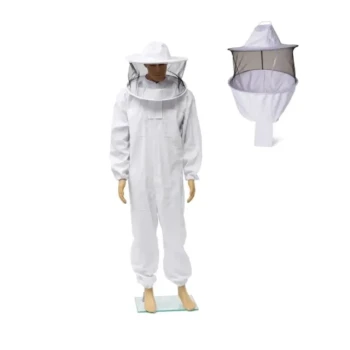
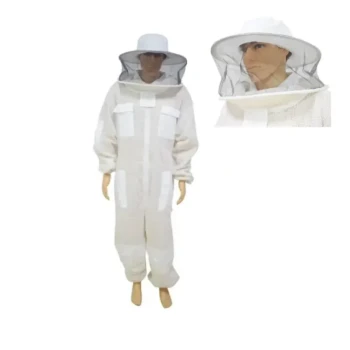
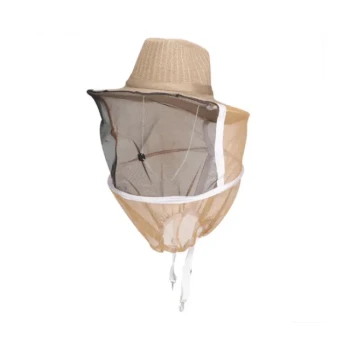
Yes, it is entirely possible for bees to sting through a beekeeping suit. While these suits provide a high level of protection, no garment is 100% sting-proof; a stinger can occasionally penetrate the material, and agitated bees may also find their way into the suit through small gaps or unsecured openings.
The Core Reality: Treat your beekeeping suit as a specialized tool for risk reduction, not a suit of armor. While it drastically lowers the frequency of stings and often reduces the severity of those that occur, total immunity depends on proper fit, material quality, and how the fabric rests against your skin.
The Mechanics of Suit Vulnerability
How Penetration Occurs
A honeybee's stinger is a sophisticated, needle-like mechanism. Standard single-layer fabrics may not be thick enough to exceed the length of the stinger.
If a bee lands on the suit and stings directly, the barb can sometimes travel through the weave of the fabric to reach the skin beneath.
The "Compression" Risk
The most common cause of getting stung "through" a suit is contact pressure.
When you bend your knees, elbows, or back, the fabric stretches tightly against your skin. This eliminates the protective air gap between the material and your body, allowing a stinger to bridge the distance easily.
Partial Protection
It is important to note that even if a sting penetrates the suit, the result is often less severe.
The fabric acts as a barrier that prevents the stinger from embedding as deeply as it would in bare skin. This typically results in less venom being injected and a less painful reaction.
Critical Weak Points in Gear
Seams and Closures
A suit is only as secure as its weakest opening. Bees are naturally driven to crawl upwards and explore dark crevices.
High-quality suits must have secure closures, reliable zippers, and well-sealed seams. If a zipper is left slightly open or a Velcro flap is not secured, bees will find the entry point.
The Glove Dilemma
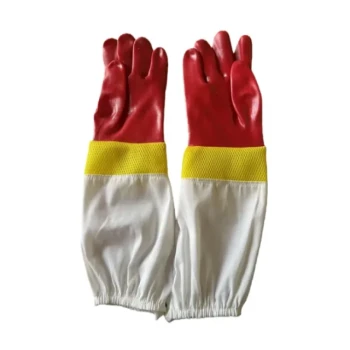
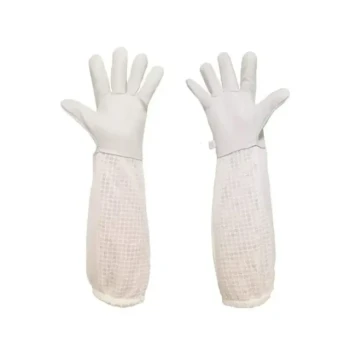
Hands are the most active part of the beekeeper's body and are often the most vulnerable.
Thin gloves, such as those made of nitrile, offer excellent dexterity but minimal sting resistance. Thicker gloves, like leather or goatskin, provide better protection but can still be penetrated if a bee is squeezed tightly during handling.
Understanding the Trade-offs
Mobility vs. Protection
There is an inherent trade-off between impenetrable protection and the ability to move freely.
Extremely thick, multi-layered suits offer the highest sting resistance but can be hot and cumbersome. Lighter suits offer better ventilation and ease of movement but require more caution regarding the "compression" risks mentioned above.
The Psychological Factor
Wearing a suit minimizes stress for both the beekeeper and the colony.
Working without protection exposes you to health risks and allergic reactions. However, relying only on the suit without practicing calm, careful handling techniques can lead to a false sense of security and unnecessary stings.
Making the Right Choice for Your Safety
To minimize your risk while acknowledging that 100% safety is impossible, choose your gear based on your specific priorities.
- If your primary focus is Maximum Safety: Prioritize a suit with multiple layers of thick fabric and reinforced cuffs to create a deep barrier that a stinger cannot physically traverse.
- If your primary focus is Dexterity and Comfort: Choose lighter materials or thinner gloves, but remain hyper-aware of how the fabric sits against your skin to avoid "compression" stings.
- If your primary focus is Durability: Look for suits with heavy-duty zippers and secure seal mechanisms to prevent the mechanical failures that let bees inside.
Ultimate protection comes from combining high-quality gear with calm, deliberate movements.
Summary Table:
| Protection Factor | Risk Level | Mitigation Strategy |
|---|---|---|
| Material Thickness | Medium | Use multi-layered ventilated fabrics to increase stinger distance. |
| Fabric Compression | High | Ensure a loose fit to prevent fabric from touching skin at joints. |
| Seams & Zippers | High | Check for velcro flaps and heavy-duty zippers to eliminate gaps. |
| Glove Material | Medium | Balance dexterity with thickness; use leather for high-risk hives. |
Elevate Your Apiary Safety with HONESTBEE
At HONESTBEE, we understand that your safety is the foundation of a successful harvest. As a dedicated partner to commercial apiaries and distributors, we provide more than just equipment—we provide peace of mind. Our comprehensive wholesale catalog features high-durability beekeeping suits, precision machinery, and a full spectrum of essential consumables designed to withstand the rigors of professional beekeeping.
Whether you need to outfit a large-scale operation or stock your distribution channel with premium hive-making and honey-filling machines, our experts are here to help. Contact us today to discover how our professional-grade tools and industry expertise can optimize your efficiency and protect your team.
Related Products
- Premium Cotton Beekeeper Suit with Reinforced Fencing Veil
- Professional Cotton Beekeeper Suit with Round Veil Design for Commercial Apiaries
- Professional Beekeeper Suit with Square Folding Cotton Veil
- Vented Beekeeping Jacket with Hood and Veil for Beekeepers
- Professional Beekeeping Suit for Kids and Girls Childrens Bee Keeper Suit
People Also Ask
- What material and design specifications are recommended for a high-quality beekeeper suit? Top Gear Selection Guide
- How to Pre-treat Propolis Stains on Beekeeping Suits? Master Advanced Fabric Care and Soil Removal
- What features should be considered for sting protection in a beekeeping suit? Ensure Total Safety and Comfort
- What are the differences between full suits and jackets with veils in beekeeping? Choose Your Best Protection
- What features should be looked for in a beekeeping suit for maximum comfort? Prioritize Ventilation and Fit