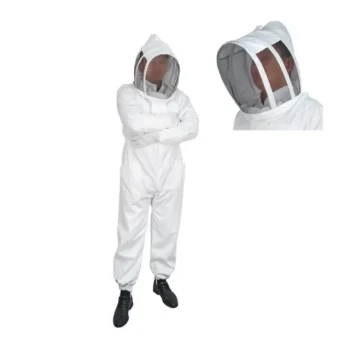
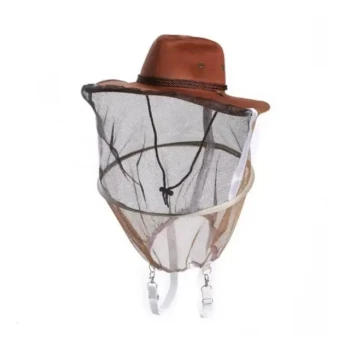
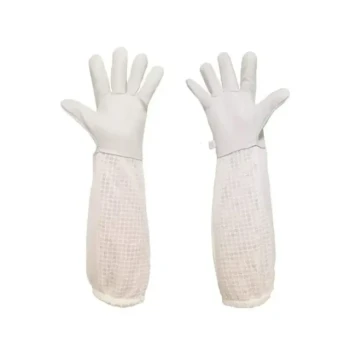
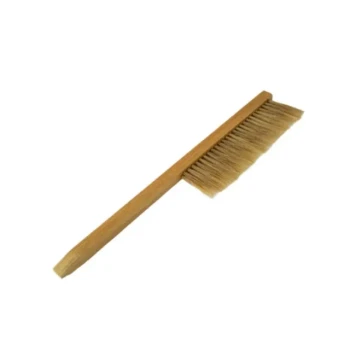
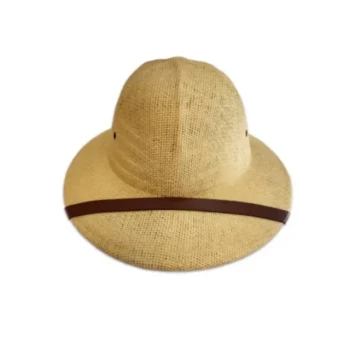
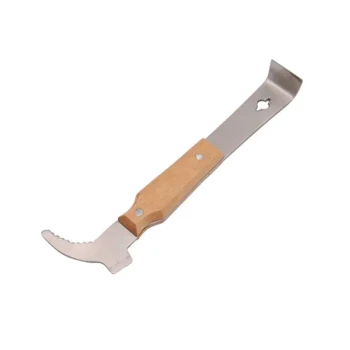
To ensure safety and operational efficiency, the most critical accessories for beekeeping include a high-quality veil, dexterity-focused gloves, a hive tool, and a smoker. Maintenance practices must prioritize the structural integrity of this gear through regular washing and inspection, alongside the application of non-toxic weatherproofing to wooden hive components.
Core Insight Successful beekeeping requires a dual focus on personal safety and equipment longevity. Your gear is not a "buy once and forget" investment; it requires a proactive cycle of inspection, hygiene, and weatherproofing to remain effective against stings and the elements.
Securing Personal Protective Equipment (PPE)
The Critical Role of the Veil
A high-quality veil is the single most important barrier between you and the colony. It serves two distinct functions: providing a clear line of sight for detailed work and preventing bee entry.
To be effective, the veil must be securely attached to the suit. Even the smallest gap between the veil and the jacket can compromise your safety, so checking these connection points is mandatory before every inspection.
Balancing Protection and Dexterity in Gloves
Gloves are a necessity, but they present a functional challenge. You must select gloves that offer a specific balance between dexterity and thickness.
Thick gloves offer maximum protection from stings but make handling delicate hive components difficult. Thinner gloves improve your tactile sense, reducing the chance of crushing bees, which in turn reduces the agitation of the colony.
Essential Operational Tools
The Hive Tool
Bees use propolis to glue hive components together, making manual separation nearly impossible. A hive tool is essential for prying apart frames and boxes during inspections.
The Smoker
This tool is fundamental for colony management. By puffing smoke into the hive, you mask alarm pheromones and calm the bees. This allows for smoother inspections and reduces the likelihood of defensive behavior.
Maintenance and Longevity Protocols
Inspecting and Washing Gear
The lifespan of your bee suit depends heavily on hygiene. Regular washing removes pheromones, sweat, and dirt that can degrade the fabric or agitate bees.
Before and after use, you must inspect the suit for wear and tear. If you discover rips, loose mesh, or failing zippers, the gear should be replaced promptly. Attempting to repair major structural damage is often risky; replacing the item is the only way to guarantee safety.
Preserving Wooden Hive Components
The hive itself is constantly exposed to the elements. To extend the service life of wooden facilities, you should apply specialized beehive coatings to the exterior.
These coatings must be non-toxic to ensure bee health while providing waterproofing, corrosion resistance, and UV protection. Proper treatment significantly increases durability against extreme weather conditions.
Understanding the Trade-offs
Dexterity vs. Security
The heavier your protective gear, the clumsier your movements may become. While a fully sealed, thick suit offers maximum peace of mind, it can lead to clumsy handling of frames, which may accidentally crush bees and incite a stinging response.
Maintenance Effort vs. Replacement Costs
High-quality coatings and regular suit maintenance require time and effort. However, neglecting this maintenance leads to rapid equipment failure. You trade upfront labor for the avoided cost of frequently replacing rotted hives or compromised suits.
Making the Right Choice for Your Goal
To apply these practices effectively, consider your current operational focus:
- If your primary focus is personal safety: Prioritize a veil with a fail-safe attachment mechanism and inspect your suit seams for gaps before every single yard visit.
- If your primary focus is long-term ROI: Invest in high-quality, non-toxic exterior coatings for your woodenware to prevent rot and UV damage over the years.
- If your primary focus is colony management: Choose gloves that favor dexterity over thickness to improve your precision when manipulating frames and the hive tool.
Treat your gear with the same level of care you treat your colony, and it will ensure your safety for seasons to come.
Summary Table:
| Essential Gear/Practice | Key Function | Maintenance Priority |
|---|---|---|
| Veil & Suit | Personal safety & visibility | Inspect seams & wash regularly |
| Dexterity Gloves | Balance protection & tactile control | Replace when worn or ripped |
| Hive Tool & Smoker | Colony manipulation & calming | Keep clean & free of propolis buildup |
| Woodenware Coatings | Weatherproofing & rot prevention | Use non-toxic, UV-resistant finishes |
| Regular Inspection | Risk mitigation | Check zippers & mesh before every use |
Elevate Your Apiary with HONESTBEE Quality
At HONESTBEE, we specialize in supporting commercial apiaries and distributors with high-performance beekeeping solutions. Whether you need specialized hardware like hive-making and honey-filling machines, or a reliable supply of wholesale beekeeping tools and consumables, our portfolio is designed for durability and efficiency.
Our Value to You:
- Comprehensive Wholesale Offering: Everything from PPE to industrial machinery.
- Industry Expertise: We understand the balance between gear dexterity and safety.
- Cultural Merchandise: Expanding your brand with honey-themed products.
Ready to scale your operations with professional-grade equipment? Contact us today to discuss your wholesale needs!
Related Products
- Premium Cotton Beekeeper Suit with Reinforced Fencing Veil
- Premium Cowboy Beekeeper Hat with Visibility Veil Outdoor Professional Beekeeping Protective Gear
- White Cotton Beekeeping Jacket and Veil for Bee Keepers
- Beekeeping Gloves Goatskin Leather with Long Cotton Sleeve for Beekeepers
- Premium Ventilated Goatskin Beekeeping Gloves with Full 3-Layer Mesh Sleeve
People Also Ask
- What material and design specifications are recommended for a high-quality beekeeper suit? Top Gear Selection Guide
- How to Pre-treat Propolis Stains on Beekeeping Suits? Master Advanced Fabric Care and Soil Removal
- What features should be considered for sting protection in a beekeeping suit? Ensure Total Safety and Comfort
- What are the differences between full suits and jackets with veils in beekeeping? Choose Your Best Protection
- What features should be looked for in a beekeeping suit for maximum comfort? Prioritize Ventilation and Fit