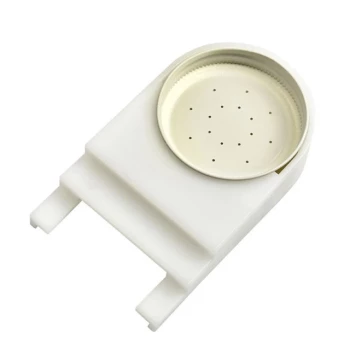
Baggie feeders are a cost-effective, in-hive feeding method consisting of plastic zipper bags filled with sugar syrup and placed inside a specialized wooden frame or spacer rim. This system rests directly on top of the brood chamber, sitting just beneath the hive's inner cover to provide bees with immediate, protected access to food.
Core Takeaway While baggie feeders are excellent for preventing bee drowning and keeping syrup warm in cold weather, they rely on disposable plastics and lack mobility. Once the bag is cut, it cannot be moved without spilling, making this a permanent placement until the feed is consumed.
The Anatomy and Mechanism
The Essential Components
The system relies on two main parts: a standard plastic feed bag (typically a gallon-sized zipper bag) and a spacer rim (also known as a shim or frame).
Creating Vertical Space
Because a full bag of syrup has volume, it cannot fit under a standard inner cover. The spacer rim—often similar to a three-inch deep super—is placed on the hive to create a "house" for the bag.
How the Bees Feed
Beekeepers fill the bag with syrup, lay it horizontally across the top bars of the frames, and make a delicate slit in the upper surface of the plastic. The bees emerge from the frames below and drink the liquid through this opening, utilizing the surface tension to feed without causing a flood.
Strategic Advantages
Heat Retention and Winter Use
One of the most significant technical benefits is thermal efficiency. Because the bag sits directly on top of the cluster, heat rising from the bees helps prevent the syrup from freezing. This makes baggie feeders a superior choice for colder climates compared to external feeders.
Colony Safety
Baggie feeders offer a large surface area for feeding, which significantly minimizes the risk of bees drowning—a common issue with open pail feeders. Additionally, because the food source is completely internal, it lowers the risk of robbing by neighboring colonies or pests.
Multi-Purpose Utility
The spacer rim required for the baggie feeder adds versatility to your equipment. The empty space provided by the rim can be used to house other management tools, such as pollen patties, mite treatments, or winter sugar cakes.
Understanding the Trade-offs
The Mobility Constraint
Once you cut the slit in the bag, the feeder becomes immobile. You cannot pick the bag up to inspect frames below it without spilling syrup into the hive. You must wait for the bees to empty the bag before removing it.
Environmental and Economic Cost
While the initial setup is cheap, the bags are single-use items. They are generally not reusable and must be discarded after every feeding cycle. This creates plastic waste and a recurring cost over the life of the apiary.
The Mess Factor
If the bags are handled roughly or the slit is made too large, the syrup can leak. A major leak inside the hive can drown bees or chill the brood, turning a feeding solution into a management hazard.
Making the Right Choice for Your Goal
This method is not a one-size-fits-all solution. Consider your specific apiary needs:
- If your primary focus is cold-weather survival: This is an ideal choice because the cluster's heat keeps the syrup accessible and liquid.
- If your primary focus is sustainability and waste reduction: You should avoid this method due to the reliance on disposable plastic bags.
- If your primary focus is frequent hive inspections: This method will frustrate you, as the open bags prevent access to the brood nest until they are empty.
Baggie feeders are a utilitarian, budget-friendly tool that prioritizes the bees' warmth and safety over the beekeeper's convenience.
Summary Table:
| Feature | Description | Key Benefit |
|---|---|---|
| Mechanism | Plastic zipper bags + spacer rim | Low-cost internal feeding |
| Heat Retention | Sits directly above the bee cluster | Prevents syrup from freezing |
| Colony Safety | Surface tension feeding via slits | Eliminates drowning and robbing |
| Versatility | Spacer rim creates extra vertical space | Supports pollen patties & treatments |
| Maintenance | Single-use, immobile once cut | Simple setup for cold climates |
Elevate Your Apiary Operations with HONESTBEE
Whether you are managing a large-scale commercial apiary or supplying a professional distribution network, HONESTBEE provides the high-quality solutions you need to succeed. We specialize in supporting the industry with a comprehensive wholesale portfolio, ranging from essential consumables and specialized hardware to advanced hive-making and honey-filling machinery.
Our Value to Your Business:
- Comprehensive Catalog: Access a full spectrum of beekeeping tools and equipment in one place.
- Commercial Focus: Wholesale offerings specifically designed for distributors and large-scale operations.
- Efficiency & Innovation: From honey-themed merchandise to industrial-grade machinery, we help you scale your output.
Ready to streamline your supply chain? Contact us today to explore our wholesale equipment and discover how HONESTBEE can enhance your apiary’s productivity!
Related Products
- HONESTBEE Entrance Bee Feeder Efficient Hive Front Liquid Feeding Solution for Beekeeping
- HONESTBEE Entrance Bee Feeder Professional Hive Nutrition Solution for Beekeeping
- Professional Hive Front Entrance Bee Feeder
- Rapid Bee Feeder White Plastic 2L Round Top Feeder for 8 or 10-Frame Bee Hives
- Classic Boardman Entrance Bee Feeder Hive Front Feeding Solution
People Also Ask
- What types of bee feeders are available for beginners? Start with the Simple Entrance Feeder
- What are the advantages and disadvantages of using an entrance feeder for bees? Balance Convenience and Hive Security.
- What is a bee entrance feeder and what are its drawbacks? Essential Guide to Hive Security and Feeding Efficiency
- How does a bee entrance feeder work? A Simple Guide to Convenient Hive Feeding
- How to make an entrance feeder for bees? A DIY Guide for Safe & Effective Feeding