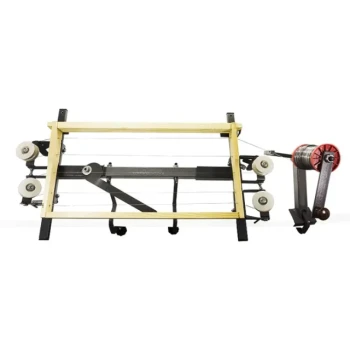
Drone frames are specialized hive components featuring a foundation pattern with larger cells, specifically designed to encourage the queen to lay unfertilized eggs that develop into male bees (drones). In Varroa management, these frames serve as a biological "trap," exploiting the mite's natural preference for drone brood to concentrate the parasites into a single area where they can be manually removed and eliminated.
The Core Insight Varroa mites overwhelmingly prefer reproducing in drone cells due to the longer development period of male bees. By inserting a drone frame, beekeepers create a "mite magnet" that gathers a significant portion of the colony's mite load, allowing for physical removal without the use of synthetic chemicals.
The Biological Principle
Exploiting Mite Behavior
Varroa mites require a capped brood cell to reproduce. They display a strong biological preference for drone brood (male bee larvae) over worker brood.
The Development Advantage
This preference exists because drones take longer to develop than worker bees. The extended time under the cell cap allows the mites to produce more mature offspring per reproductive cycle.
The "Trap" Mechanism
Research indicates mites infest drone cells significantly more frequently—up to eight times more—than worker cells. By introducing a concentrated area of drone comb, you effectively draw the mites away from the worker population and into a specific zone.
The Operational Process
Inducing Drone Production
When a beekeeper installs a drone frame, the larger cell foundation prompts the worker bees to build drone comb. The queen recognizes these larger cells and lays unfertilized eggs, which are destined to become drones.
Setting the Trap
As the larvae develop, Varroa mites enter the cells just before the bees seal them. Once the cells are capped, the mites are trapped inside with the developing larvae, unable to leave until the bee emerges.
Removal and Elimination
This is the critical step. Once the drone brood is fully capped—but before the adult drones emerge—the beekeeper removes the frame from the hive. The mites are then destroyed physically.
Methods of Destruction
Common elimination methods include freezing the frame (which kills both the drone larvae and the mites) or mechanically excising (cutting out) the comb. The frame can then be returned to the hive for the bees to clean and reuse.
Common Pitfalls and Trade-offs
The Timing Risk
Using drone frames requires strict schedule discipline. If you fail to remove the frame before the drones emerge, you have inadvertently created a "mite bomb." You will have successfully bred a massive population of mites and released them back into your colony.
Energy Cost to the Colony
Raising drones requires significant resources. The colony invests honey and pollen into raising larvae that you intend to kill. While effective for pest control, this does place a metabolic tax on the hive compared to chemical treatments.
Not a Silver Bullet
While drone frames significantly lower the mite baseline, they rarely eliminate the problem entirely. They are best used as part of a broader Integrated Pest Management (IPM) strategy rather than a standalone cure for high infestation levels.
Making the Right Choice for Your Goal
To determine if drone brood removal is the right strategy for your apiary, consider your management philosophy:
- If your primary focus is Chemical-Free Beekeeping: This method is highly recommended as it uses biological behavior rather than synthetic accumulation to control pests.
- If your primary focus is Low-Maintenance Management: You should likely avoid this method, as it requires precise timing and frequent hive inspections to prevent exacerbating the infestation.
- If your primary focus is Honey Production: Use this method cautiously during nectar flows, as the energy directed toward raising drone brood may slightly reduce the workforce available for foraging.
By turning the Varroa mite's biological instincts against it, you can significantly reduce pest pressure while maintaining the chemical purity of your hive.
Summary Table:
| Feature | Description |
|---|---|
| Purpose | Biological control of Varroa mites without synthetic chemicals. |
| Mechanism | Exploits mites' preference for drone brood due to longer development cycles. |
| Key Component | Specialized frames with larger cell patterns to encourage drone laying. |
| Efficiency | Mites infest drone cells up to 8 times more frequently than worker cells. |
| Critical Step | Removal and freezing of capped brood before the drones emerge. |
| Primary Risk | "Mite Bomb" effect if frames are not removed on a strict schedule. |
Maximize Your Apiary’s Health with HONESTBEE
At HONESTBEE, we understand that commercial apiaries and distributors require reliable, high-quality tools to manage hive health effectively. Whether you are implementing Integrated Pest Management (IPM) with our specialized drone frames or scaling your honey production with our advanced honey-filling machines, we provide the comprehensive wholesale solutions you need.
From essential industry consumables to heavy-duty beekeeping machinery and unique honey-themed merchandise, our portfolio is designed to add value to your business at every stage. Enhance your efficiency and protect your colonies today.
Contact our expert team to discuss your wholesale needs
Related Products
- Assembled Wooden Bee Frames with Beeswax Foundation Ready to Use by HONESTBEE
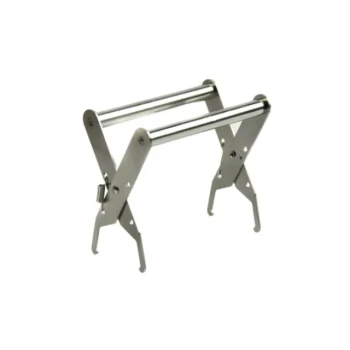
- Durable Galvanized Steel Frame Grip
- Heavy-Duty Stainless Steel Frame Grip
- Heart-Shaped Comb Honey Frame and Honeycomb Cassette
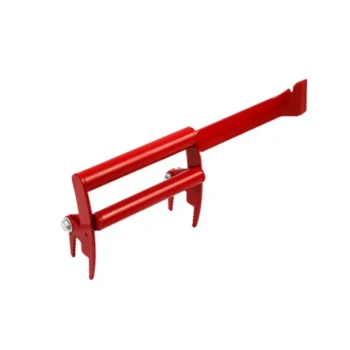
- Heavy-Duty Lever-Action Frame Grip with Hive Tool
People Also Ask
- How should frames be rearranged as a bee colony grows? Master Hive Expansion and Nest Management
- Do bee frames need foundation? Choose the Right Approach for Your Apiary
- Under what circumstances should bee frames be destroyed? Protect Your Apiary from American Foulbrood
- When should frames with new foundation be given to colonies? Master Timing for a Thriving Hive
- How do you re-wax bee frames? A Simple Guide to Faster Comb Building