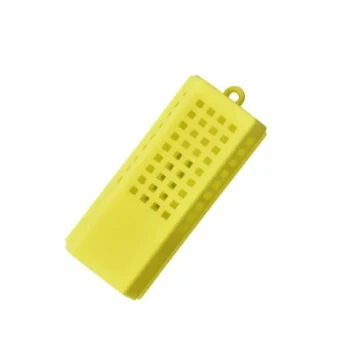
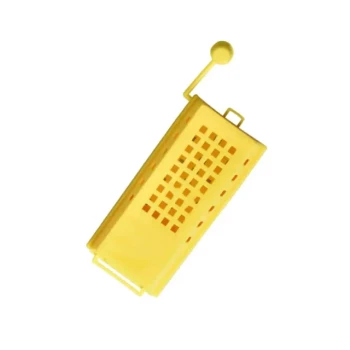
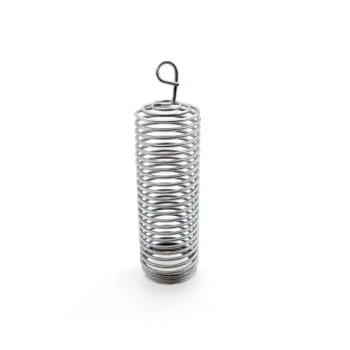
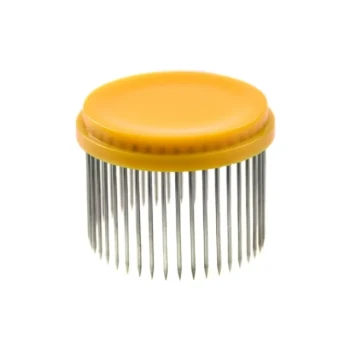
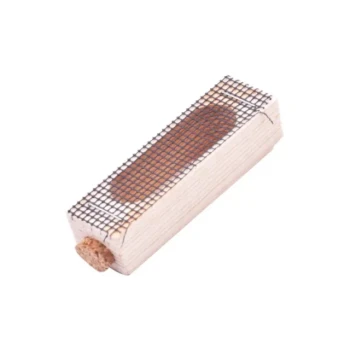
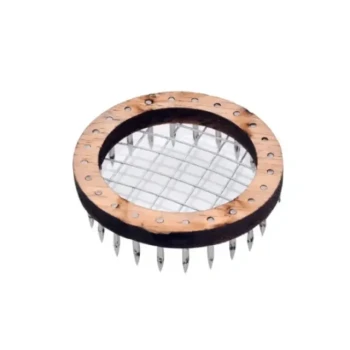
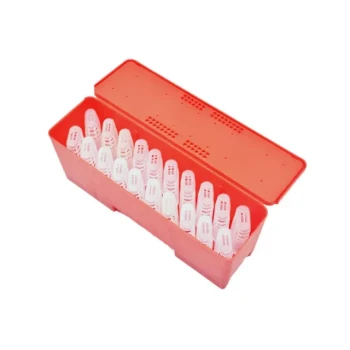
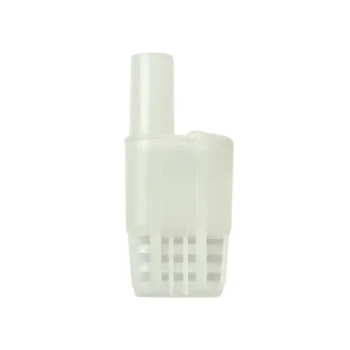
Queen mailing cages are specialized vessels used primarily to ship queen bees safely to customers. While their most visible function is facilitating long-distance transport, they also serve a critical role in biosecurity and the biological integration of the queen into her new hive.
The true value of a queen mailing cage lies not just in logistics, but in bio-engineering: it creates a life-sustaining micro-environment that preserves the queen's reproductive vitality during transit and manages the delicate chemical transition required for colony acceptance.
The Mechanics of Safe Transport
The primary function of the cage is to ensure the queen survives the physical and environmental stresses of shipping.
Creating a Stable Micro-Climate
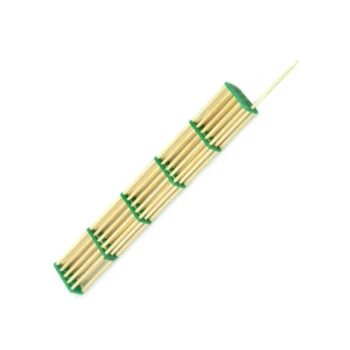
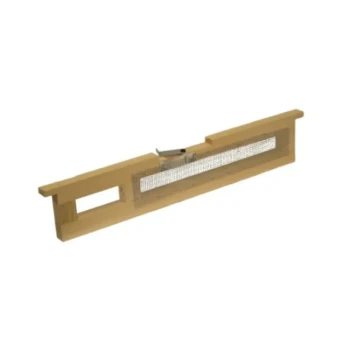
The cage is designed to protect the queen and her attendant worker bees from temperature fluctuations and mechanical vibrations.
This enclosure prevents crushing and creates a consistent internal environment. This stability is essential for maintaining the queen's health and ensuring she arrives ready to lay eggs.
Sustaining Energy Levels
Queen cages feature built-in candy troughs or tubes.
These reservoirs provide a continuous food source for the queen and her attendants. This ensures they have the energy required to survive the journey without starving or becoming dehydrated.
Facilitating Colony Introduction
Once the queen arrives, the cage transforms from a shipping container into an acclimation tool.
Controlled Pheromone Release
The cage acts as a temporary isolation device. It protects the queen from immediate attack by the colony's existing workers.
While the queen is physically separated, the cage's ventilation allows her pheromones to permeate the hive. This gradual exposure helps the colony recognize and accept her scent before direct contact occurs.
The Time-Release Mechanism
Most cages utilize a sugar plug or candy tube as a barrier.
Worker bees must eat through this candy to release the queen. This process acts as a time-delay mechanism, ensuring the colony has had sufficient time to adapt to the new queen before she is free to move among them.
Protection During Development
For queen breeders, these cages serve a vital purpose before shipping even occurs.
Safeguarding the Emerging Queen
Breeders utilize cages on the 16th day of the queen's development cycle.
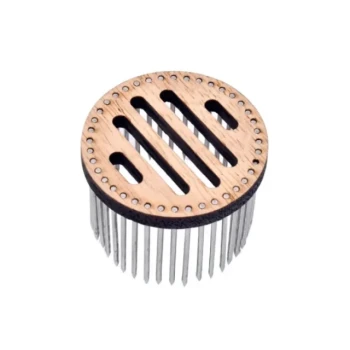
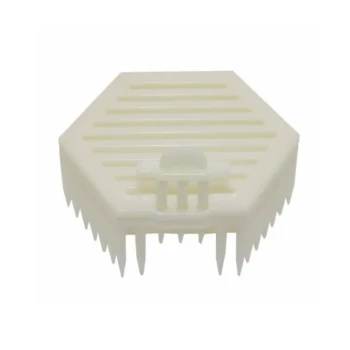
By placing a cage over the queen cell, the breeder protects the emerging virgin queen from being killed by other bees in the hive. This keeps her secure until she can be moved to a nucleus colony, mating box, or sold.
Understanding the Biological Risks
While essential for transport, queen cages introduce specific biosecurity challenges that must be managed.
Disease Vector Potential
The cage itself, along with the food consumables and attendant bees, can act as a biological vector for pathogens.
Viruses or parasites like Nosema can be transported inside the cage materials. This is a significant concern during international transport.
Strict Quarantine Protocols
To prevent the introduction of exotic diseases into local ecosystems, strict testing is required.
Pathogen testing and quarantine measures are essential when moving genetic resources across borders to ensure the cage does not become a trojan horse for disease.
Making the Right Choice for Your Goal
Whether you are a commercial breeder or a hobbyist beekeeper, understanding the specific function of the cage is key to success.
- If your primary focus is Shipping: Prioritize cages with robust structural protection and ample candy reservoirs to buffer against temperature changes and physical stress.
- If your primary focus is Introduction: rely on the candy plug as a time-delay mechanism to maximize the acceptance rate of the new queen.
- If your primary focus is Breeding: Apply the cage on the 16th day of development to isolate the virgin queen and prevent immediate rejection or fratricide.
Success depends on viewing the cage not as a box, but as a life-support system that bridges the gap between the breeder and the brood nest.
Summary Table:
| Feature | Primary Function | Benefit to Beekeeping |
|---|---|---|
| Candy Trough | Sustenance | Provides continuous energy for queen and attendants during transit. |
| Ventilation Slots | Pheromone Release | Allows the colony to acclimate to the new queen's scent safely. |
| Sugar Plug | Time-Delay Release | Ensures a gradual introduction to prevent colony aggression. |
| Sturdy Enclosure | Physical Protection | Prevents crushing and buffers against temperature fluctuations. |
Maximize Your Colony's Success with HONESTBEE
At HONESTBEE, we understand that every queen is a vital investment for your apiary. As a premier provider for commercial apiaries and distributors, we offer a comprehensive wholesale range of high-quality queen mailing cages and beekeeping essentials.
From advanced hive-making machinery to specialized transport tools and industry consumables, we provide the full spectrum of equipment needed to scale your operations. Partner with us to access professional-grade hardware and honey-themed merchandise designed for the modern industry.
Ready to elevate your wholesale sourcing?
Contact HONESTBEE Today to discuss how our bulk solutions can support your beekeeping business.
Related Products
- Professional Multi-Compartment Queen Cage with Sliding Lid
- Professional Queen Cage with Sliding Gate and Feeder Plug
- Professional Queen Bee Introduction and Transport Cage
- Durable Galvanized Steel Spring Queen Bee Cage
- Professional Round Push-In Queen Cage with Metal Tines
People Also Ask
- Why are specialized queen bee cages used for the banking of mated queen bees? Maximize Commercial Apiary Storage Efficiency
- What is the mechanism of action for using temporary queen bee cages? Master Successful Queen Introduction
- How are queen cages used to protect newly hatched queens? Secure Your Virgin Queens During Development
- Why are queen cages or grid cages used in bee studies? Achieve Precise Biological Data for Research
- What technical precaution must be taken regarding the mesh or grill side of a queen bee cage? Ensure Queen Survival