Safe bee smoker fuels are primarily natural, untreated organic materials that smolder slowly to produce cool, white smoke. The most effective options include pine needles, pine cones, wood shavings, dried grasses, untreated burlap, and tightly rolled cardboard, provided they are free from synthetic chemicals or accelerants.
Core Principle: Cool and Clean The ideal smoker fuel must burn "cool" to avoid singing the bees and "clean" to prevent chemical contamination. Your goal is to use materials that smolder consistently without producing toxic fumes or excessive heat.
Natural Forest and Field Materials
Using materials gathered from nature is often the most cost-effective and safe method, provided the area hasn’t been treated with pesticides.
Pine Needles and Cones
Pine materials are among the most widely recommended fuels. Pine needles (often called pine straw) and cones contain natural resins and sap.
This sap content allows them to produce a "wet," dense smoke that is highly visible and effective at masking alarm pheromones.
Wood Shavings and Chips
Clean wood shavings and small chips provide a consistent burn. They are often readily available as byproducts of woodworking.
However, you must strictly avoid sawdust. It is too dense and restricts airflow, which will likely smother the fire inside the smoker canister.
Dried Grasses and Specialized Plants
Readily available materials like dried grasses, hay, and twigs are excellent for shorter inspections.
For a more specialized approach, staghorn sumac bobs (the red fruit clusters) are a traditional favorite. Some research also suggests dried female hop flowers are effective because they contain lupulin, a natural sedative.
Processed and Repurposed Materials
Many beekeepers repurpose common household waste. This is safe as long as you act as a quality control filter regarding chemicals.
Cardboard and Paper Products
Corrugated cardboard and paper egg cartons are excellent fuels that light quickly. You can also create "logs" by tightly rolling paper or cardboard.
Always ensure these materials are free of heavy wax coatings, plastic films, or excessive tape.
Textiles and Twine
Scraps of cloth can be used if they are 100% cotton or untreated burlap (Hessian). Synthetic blends will melt and emit toxic plastic fumes.
Coils of untreated sisal baling twine are also a standard fuel source. Ensure the twine is natural and has not been treated with preservatives or rodenticides.
Compressed Wood Pellets
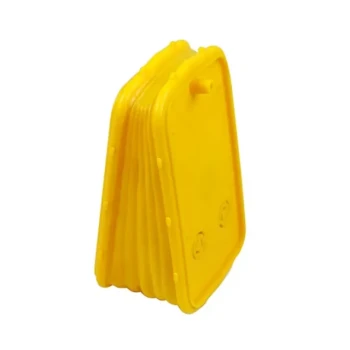
Fuel pellets designed for wood stoves or specific commercial smoker pellets are dense and burn for a long time.
These are particularly useful for long days in the apiary where re-lighting the smoker frequently would be inefficient.
Understanding the Trade-offs
Selecting a fuel is not just about whether it burns, but how it impacts the colony's health.
Chemical Contamination Risks
You must exercise extreme caution with processed paper and cardboard. Inks, glues, and bleaching agents can release harmful chemicals when burned.
Never use synthetic fabrics or bleached paper. These produce acrid smoke that is irritating to the beekeeper and potentially lethal to the bees.
Heat Management
Not all fuels burn at the same temperature. Materials that flare up quickly (like loose paper) can produce "hot smoke" that can singe a bee’s wings.
Fuels like wood pellets or tightly rolled burlap tend to smudge at a lower temperature, providing the desired "cool smoke."
Making the Right Choice for Your Goal
The "best" fuel often depends on the duration of your inspection and what is locally available.
- If your primary focus is a quick inspection: Use pine needles or corrugated cardboard, as they light instantly and produce good smoke volume immediately.
- If your primary focus is long-duration burning: Use wood pellets or tight burlap rolls, as they provide a dense, slow smolder that won't require frequent refueling.
- If your primary focus is calming aggressive colonies: Consider pine cones or sumac bobs, as the resinous, thick smoke tends to be more effective at masking alarm scents.
Ultimately, the safest fuel is one you have verified is 100% natural, free of synthetics, and capable of producing a cool, white cloud.
Summary Table:
| Fuel Type | Burn Duration | Best Use Case | Key Benefit |
|---|---|---|---|
| Pine Needles | Short-Medium | Quick inspections | Natural resins mask pheromones |
| Wood Pellets | Long | Commercial apiaries | Extremely long-lasting smolder |
| Untreated Burlap | Medium-Long | General hive work | Low-temperature, thick smoke |
| Corrugated Cardboard | Short | Lighting & short visits | Ignites instantly; easy to source |
| Dried Sumac Bobs | Medium | Calming aggressive bees | Traditional, thick cooling smoke |
Elevate Your Apiary Operations with HONESTBEE
At HONESTBEE, we understand that commercial success in beekeeping depends on the quality and reliability of your equipment. Whether you are a large-scale apiary or a global distributor, we provide a comprehensive wholesale range of:
- High-Performance Machinery: From automated honey-filling machines to precision hive-making equipment.
- Premium Tools: Industrial-grade smokers, protective gear, and specialized extraction tools.
- Essential Consumables: A wide array of high-quality materials to keep your operations running smoothly.
Our mission is to empower your business with hardware and cultural merchandise that set industry standards. Contact us today to discuss your wholesale needs and see how our expertise can streamline your beekeeping supply chain.
Related Products
- 54-Piece Smoker Fuel Pellets for Beekeeping Beehive Smoker Fuel
- Stainless Steel Electric Beehive Smoker for Beekeeping and Bee Keeper Use
- Stainless Steel Perforated Inner Canister for Bee Smoker
- Stainless Steel Honey Bee Smoker Hive and Honeycomb Smoker for Beekeeping
- Premium Traditional Copper Bee Smoker with Bellows
People Also Ask
- What is the best bee hive smoker fuel? Choose Natural, Slow-Burning Fuel for Calm Bees
- What to put in a bee hive smoker? A Guide to Natural, Calming Fuels
- What fuels are recommended for beehive smokers? Master the Art of Calm, Controlled Inspections
- What type of fuel is best for smokers? Choose the Right Fuel for BBQ or Beekeeping
- What types of fuel can be used in a beekeeper's smoker? Best Options for Clean and Effective Smoke